Have the VIN of a used car? You can check a car listed in Poland’s records using the government’s Vehicle History service, but you will also need its registration number and date of first registration. The report alone is no substitute for comparing the car with its documents or arranging an independent pre-purchase inspection.
Treat the result as a set of clues, not a guarantee that the car has never been in an accident and is in good working order. If the information does not match or the seller cannot explain any gaps, pause your decision and arrange an inspection.
Prepare the details and check the car using Vehicle History
Go to the government’s Vehicle History service and have the VIN, registration number and date of first registration ready. For a car listed in the Central Register of Vehicles (CEP, Poland’s central vehicle register), you need all these details to run a check. Ask the seller for any information you do not have before drawing conclusions from the report.
If the car is not yet listed in the Polish register, the service may provide available data from foreign records after you sign in using a Polish Trusted Profile, an e-government login. The information available depends on the vehicle and the sources used. A lack of information in the report does not mean the car has a clean history.
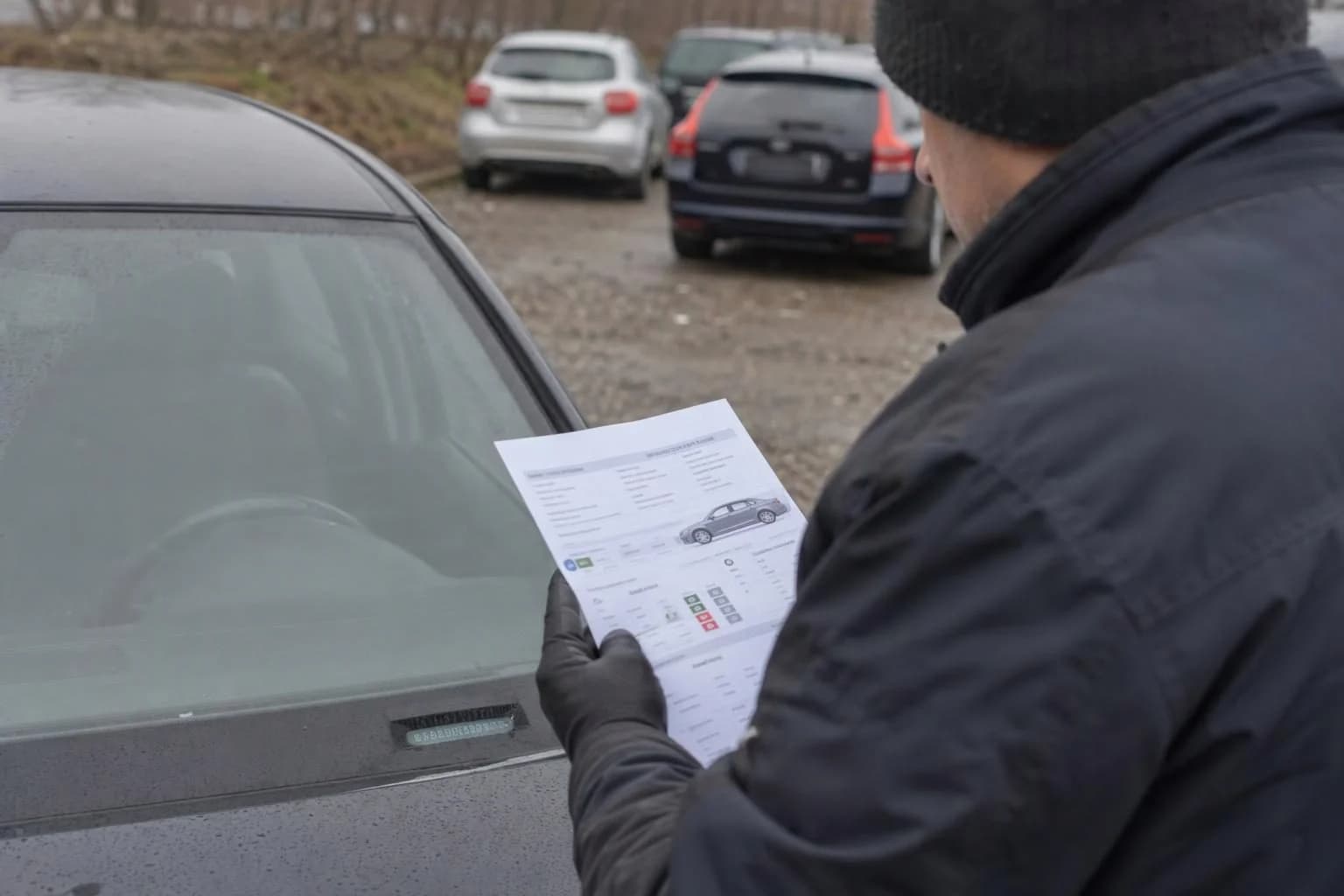
Compare the results with the documents and the car itself: check that the vehicle identification details match and that the information provided by the seller is consistent. The Vehicle History report is for information only and is not an official document. Keep it to discuss with the seller and the service centre, but do not treat it as confirmation of every claim.
- For a car listed in the Polish register, have the VIN, registration number and date of first registration ready.
- For a car outside the CEP, you need to sign in using a Polish Trusted Profile to access available foreign data.
- Make a note of any discrepancies and ask the seller to explain them with supporting documents.
What information the report may show
Vehicle History provides data from the CEP and available information from foreign records free of charge. The report may include technical details recorded in the register, dates of roadworthiness tests, the compulsory motor insurance status, information on theft status in the database, the number of owners registered in Poland, and odometer readings recorded at roadworthiness tests.
Mileage readings are individual records from specific events, not a continuous record of the car’s use. Odometer readings have been collected in the CEP since 2014. The absence of earlier entries does not establish the car’s mileage before that date, and the report alone cannot confirm that the odometer reading on the day of purchase is genuine.
You can also check compulsory motor insurance status in the database of the Polish Motor Insurers’ Guarantee Fund (UFG) by providing the registration number and VIN, as well as the date the enquiry relates to. The UFG receives insurance data from insurers and is not the authoritative register. If the result raises concerns, confirm that the cover is valid with the insurer shown.
What the VIN or report alone cannot confirm
A positive result is not an assessment of the technical condition of the specific car. It also does not confirm the car’s equipment or option packages.
The report does not show a complete repair history or every instance of damage. Data on significant damage have been collected in the CEP since 1 March 2020, so the absence of an entry does not prove that the car was not damaged before then. Repairs that are not recorded in the registers checked may also not be visible.
Do not assume that the absence of a foreign record means there have been no incidents. Information about risks abroad is available only if it is held in the external records used. The full list of sources and their availability for a particular car cannot be confirmed.
Treat discrepancies as a reason to ask further questions
For example, the report shows an odometer reading recorded at a roadworthiness test, but the seller gives a lower figure today. This does not, by itself, fully explain the cause, but it is a clear discrepancy that should not be ignored. Ask for documents explaining the change and do not make a decision based solely on a verbal assurance.
Take the same approach if the report contains a theft warning, the details do not match the documents, or there are gaps in the history that the seller cannot explain. Put the purchase on hold until the matter is clarified. The absence of warnings does not remove the need to check the specific car.
It is also worth distinguishing between two issues: whether the details in the register match and the condition of the car when inspected. The report can help identify some inconsistencies, but it cannot assess whether the car is in good working order or whether repairs have been carried out properly. Inspecting and checking the car can also help when buying a car.
Arrange an independent inspection after checking the report
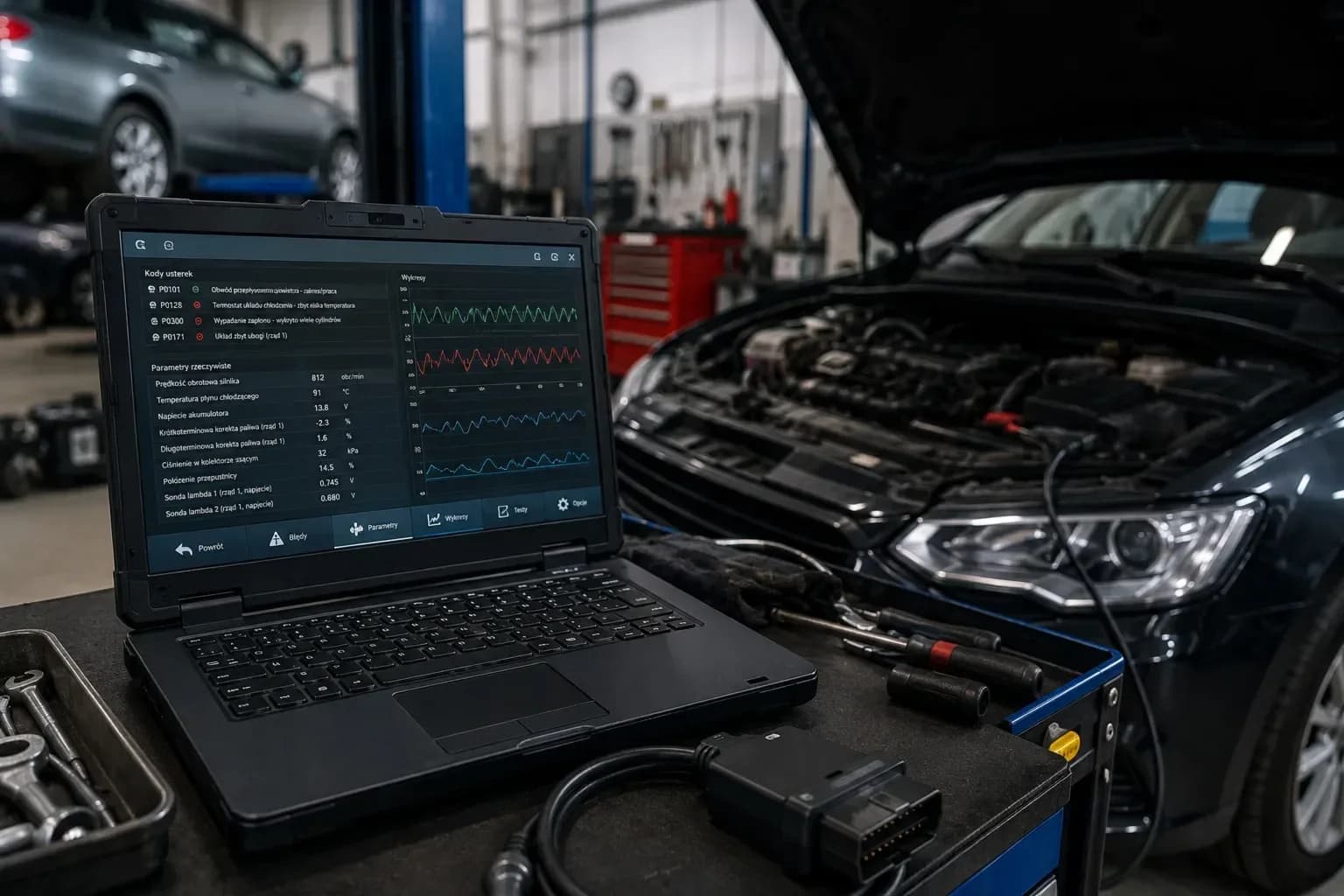
Even if the report shows no clear discrepancies, arrange an inspection at a service centre before buying. The register is no substitute for assessing the condition of the specific car, and computer diagnostics are one part of the check, not confirmation of the vehicle’s full history. The scope of the inspection depends on the car and on what the visual inspection and diagnostics reveal.
Before arranging an inspection, ask the service centre: what checks do they recommend for this car? Can they review any discrepancies or gaps in the report? How will they provide the inspection results? The response should clearly set out the scope of work, how the concerns you have raised will be considered, and how the results will be delivered.
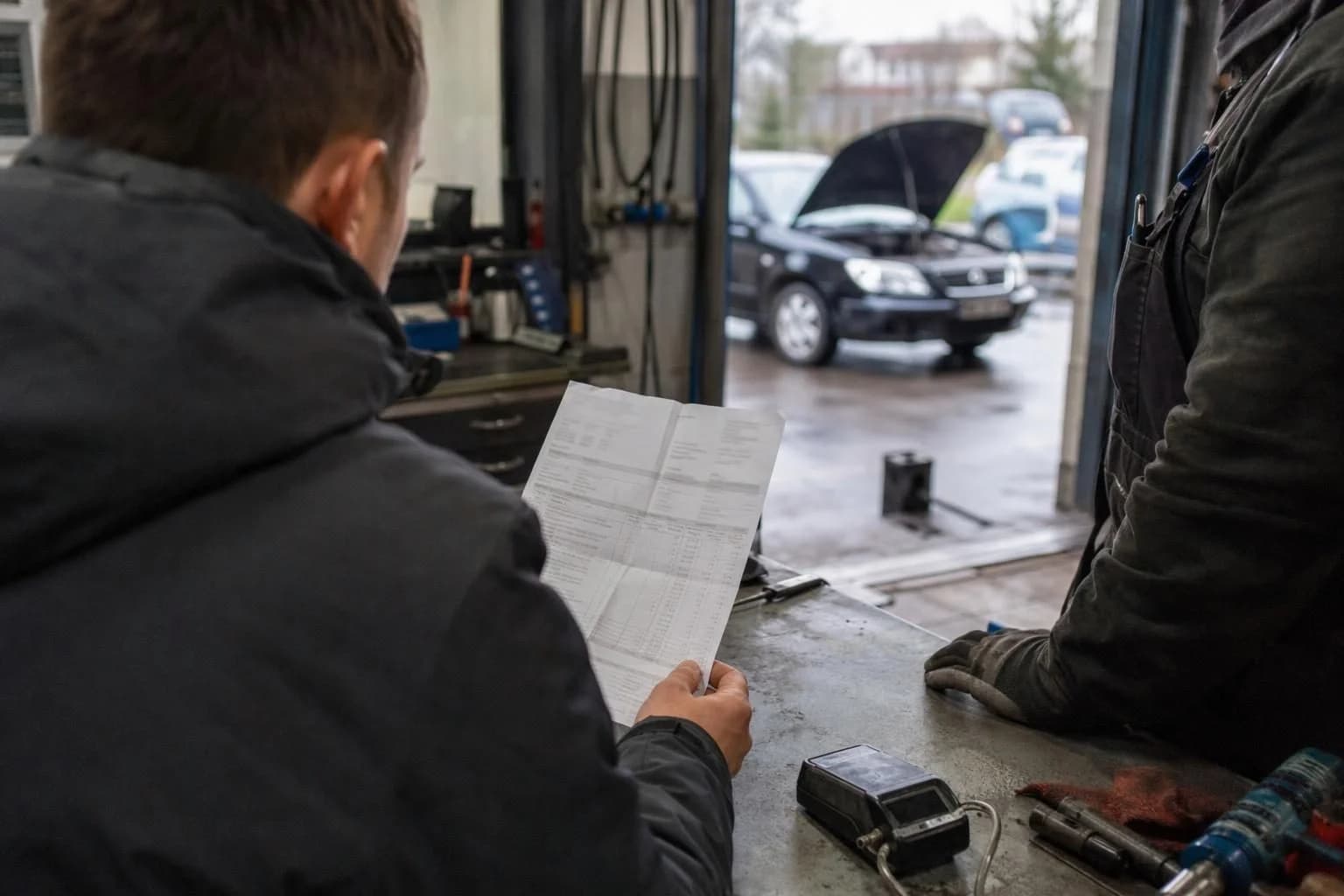
Give the service centre the report and point out anything that concerns you, such as differences in the details, mileage entries or missing information. At eCarService, the cause is diagnosed first and a repair is proposed only afterwards; the scope of work is agreed with the customer before repairs begin. The vehicle’s service history is documented.
If the VIN check reveals a discrepancy, warning or unexplained gap, do not complete the purchase until the matter has been clarified and the car has had an independent inspection. Even if the details are consistent, arrange an assessment of the car before making a decision. You can book as part of the inspection, but agree its scope with the service centre.