If parking sensors are beeping with no obstacle, first check their surface and the area around the bumper. A false alarm is often caused by dirt, snow, ice, water after a car wash, slush or an item too close to the detection zone, e.g.
a number plate frame or towbar. If the problem returns after cleaning, an error message appears or one sensor constantly 'sees' an obstacle, PDC diagnostics are needed.
Why do parking sensors alarm when nothing is behind the car?
Parking sensors can beep with no visible obstacle because the ultrasonic system reacts not only to a car, post or wall, but also to anything that blocks or disturbs the sensor's operation.
The sensor sends a pulse and evaluates its reflection, so a layer of dirt, water droplets, ice or a poorly fitted part of the bumper can be treated as a nearby object.
- Dirty sensors after driving in rain, mud or on gritted roads.
- Snow, ice or slush stuck to the bumper.
- Water remaining after a car wash, especially when the signal appears immediately after washing.
- Number plate frame, towbar, cover or other accessory within the detection zone.
- Damaged, excessively thick or uneven paint on the bumper where the sensor works.
- Failure of a single sensor, wiring, connector, power supply or the PDC control module.
What can a driver check without tools?
Without tools it's worth doing a calm inspection of the sensors and bumper, because many false alarms stem from simple external causes. This is not about dismantling parts, but checking whether the sensor is blocked, wet, iced over or mechanically damaged.
1. Park the car in a safe place and look at the sensors at the front or rear, depending on which system is alarming.
2. Gently clean the sensor surfaces with a soft, damp cloth; do not scrape ice with a sharp tool.
3. After a car wash or heavy rain, dry the area around the sensors and check if the alert stops after a short time.
4. Check whether the plate, frame, towbar, bumper cover or another accessory protrudes into the sensor's area.
5. Inspect the paint around the sensor: cracks, chips or signs of repair can affect system operation.
6. If the alarm appears only in winter, remove snow and slush also from the lower part of the bumper.
Is it safe to drive when the parking system is beeping for no reason?
Generally you can continue driving, but you mustn't rely on such a system as if it were a working assistant when parking. Parking sensors are an aid, not a replacement for checking mirrors, cameras and the vehicle's surroundings.
If the system gives a continuous tone, shows an obstacle in the wrong place or works intermittently, the driver should park more cautiously and consider the indications unreliable until checked.
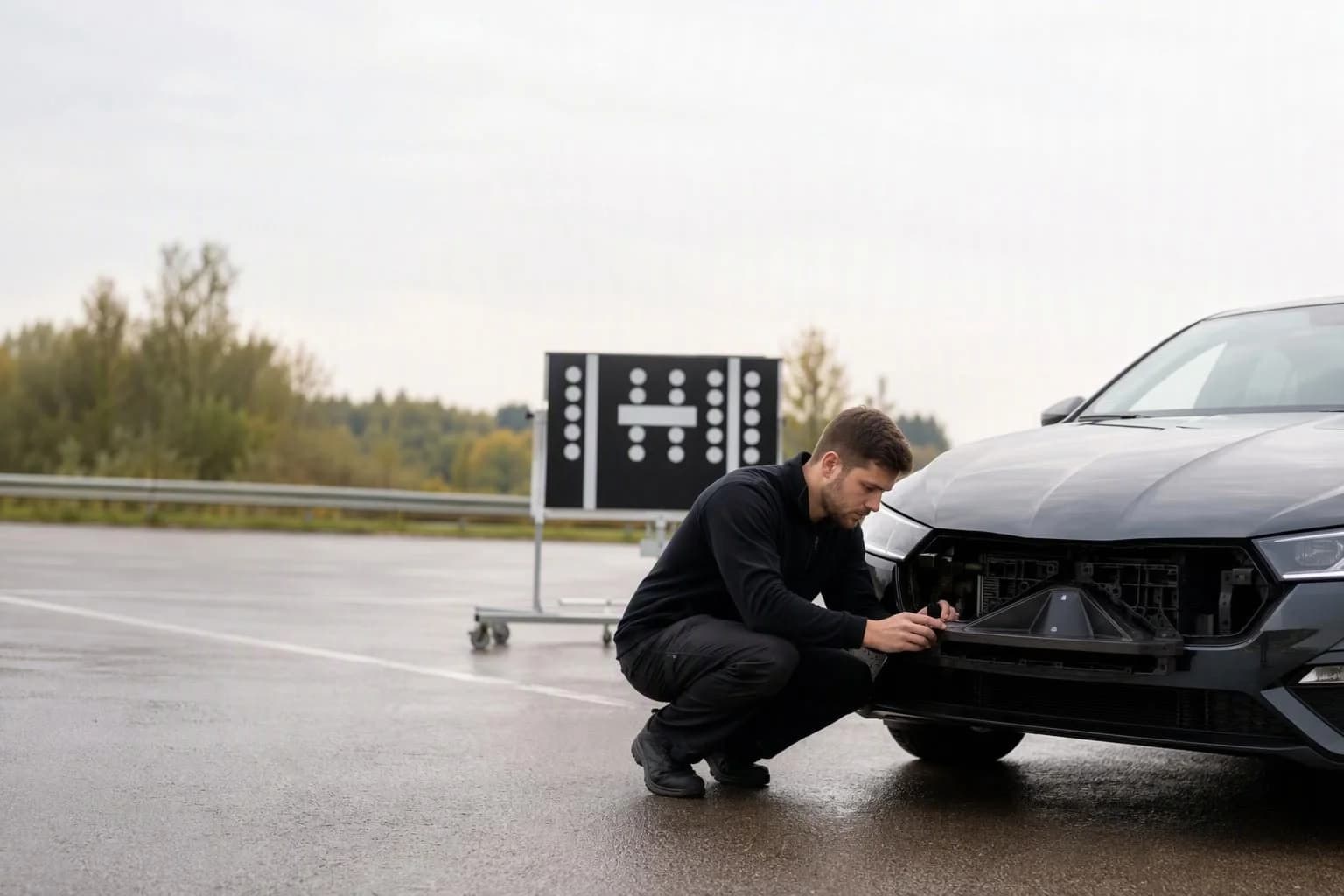
A more urgent response is sensible when a false alarm began after a hit to the bumper, after paint repairs, after fitting accessories or together with an error message on the dashboard. In those cases cleaning alone may not be enough, because the issue might concern sensor alignment, the wiring harness, a connector or the control.
When is PDC diagnostics needed instead of more guessing?
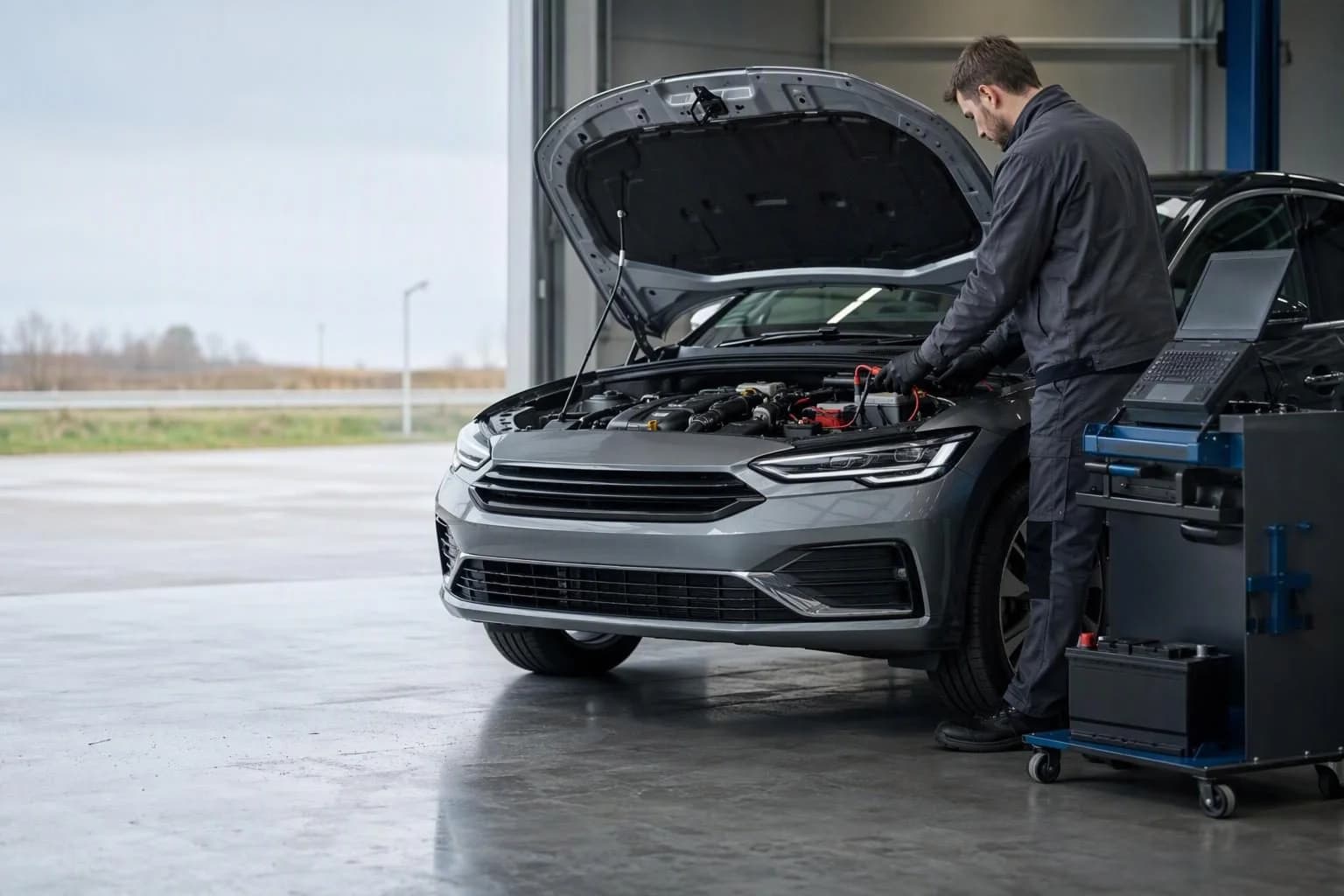
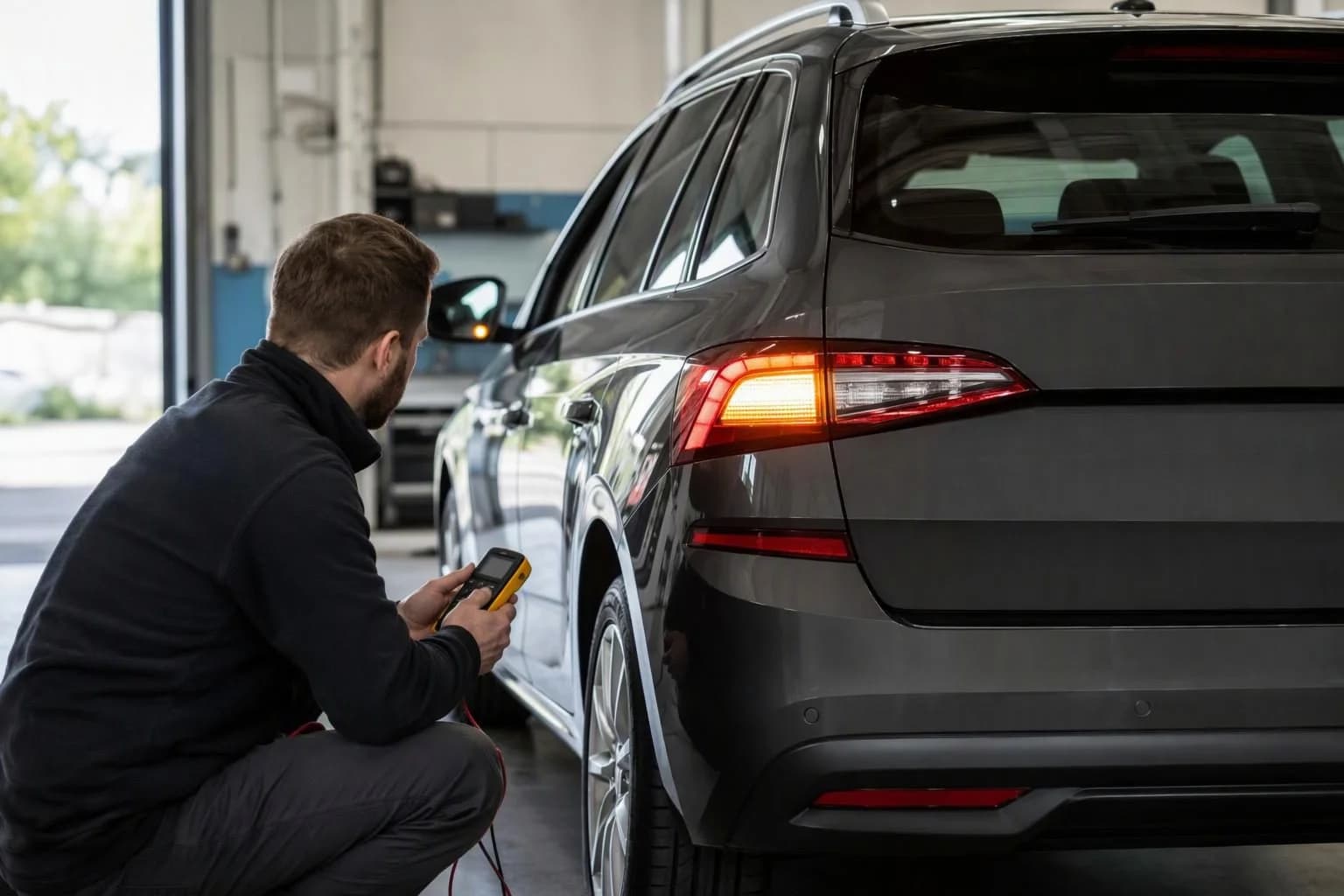
PDC diagnostics are justified when the symptom returns after cleaning and drying the sensors or when the system constantly indicates an obstacle on one side. A single alert does not yet determine which component is faulty. Similar symptoms can be caused by the sensor, wiring, plug, power supply, control module or a bumper-related issue.
- A continuous tone appears immediately after engaging reverse gear, despite clear space behind the car.
- One segment or one side of the car remains active on the display or indicator.
- The system works randomly: sometimes correctly, sometimes alarming for no reason.
- An error message about the parking system appears on the dashboard.
- The problem started after a car wash and does not go away after drying.
- The symptom began after a parking collision, bumper removal, painting or towbar installation.
What does a sensible diagnosis of this fault look like?
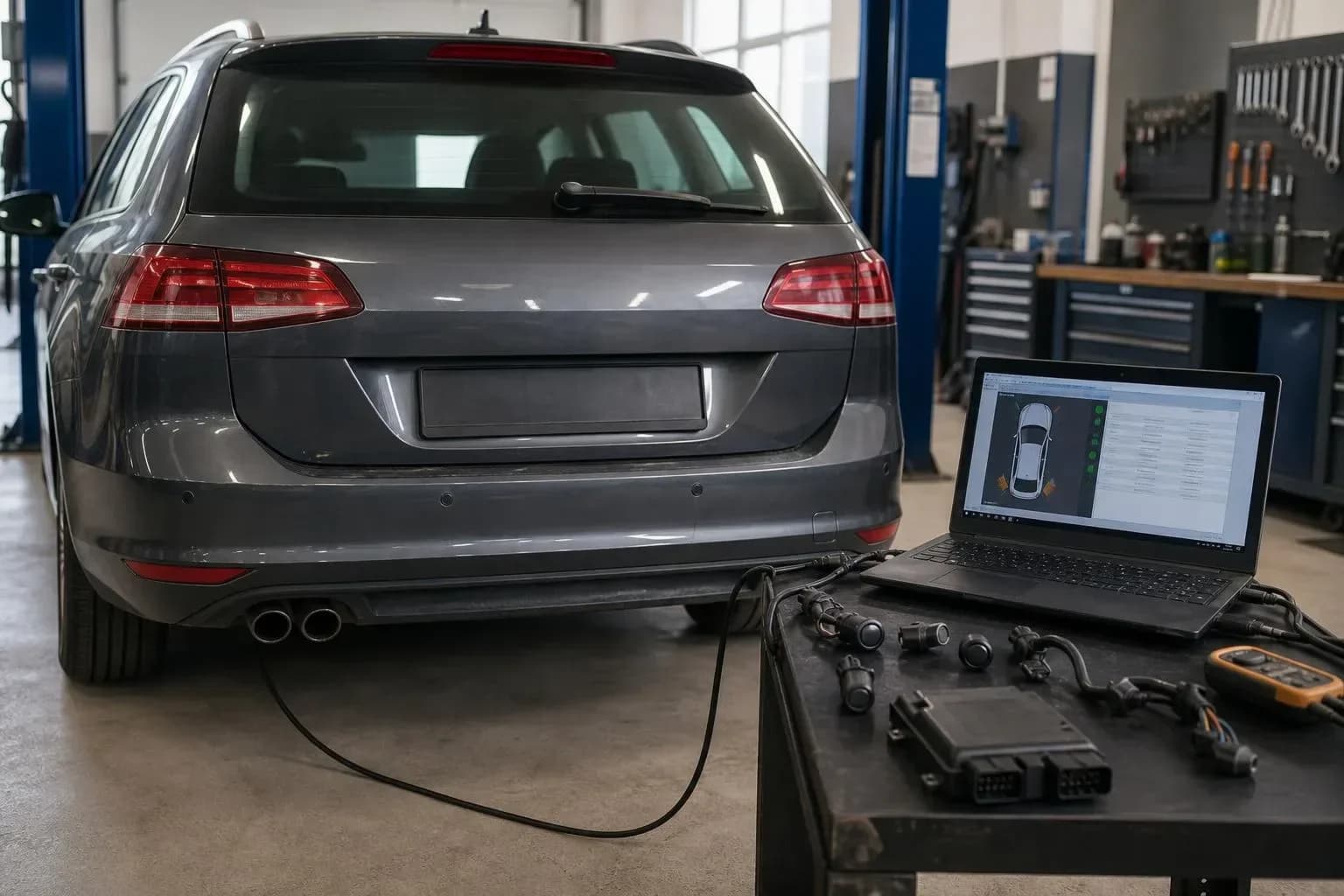
A sensible diagnosis confirms what the system 'sees' rather than replacing parts 'to try'. In practice it starts with reading faults and live data, testing each sensor's operation and checking their power supply, connectors and wiring harness. If the vehicle has a distance display, comparing the readings with the actual surroundings is helpful.
Remember that not every false alarm means an electronic fault. Sometimes the cause is the mechanical position of the sensor in the bumper, the effect of paint or an element mounted too close. Only a combination of symptoms, fault codes and an inspection of the installation distinguishes a simple maintenance issue from a sensor or module failure.
What to do if the sensors keep beeping?
First clean and dry the sensors, remove snow or slush and check that nothing is blocking the bumper. If parking sensors still beep with no obstacle after this check, guessing at further parts is not worthwhile.
Arrange a diagnostic check, especially when the system shows a constant obstacle, an error message appears or the symptom began after a repair, car wash, winter driving or a minor blow to the bumper.
Check the issue at eCarService
We will check the symptoms and help determine whether removing the external cause is sufficient or a PDC system diagnostic is needed.