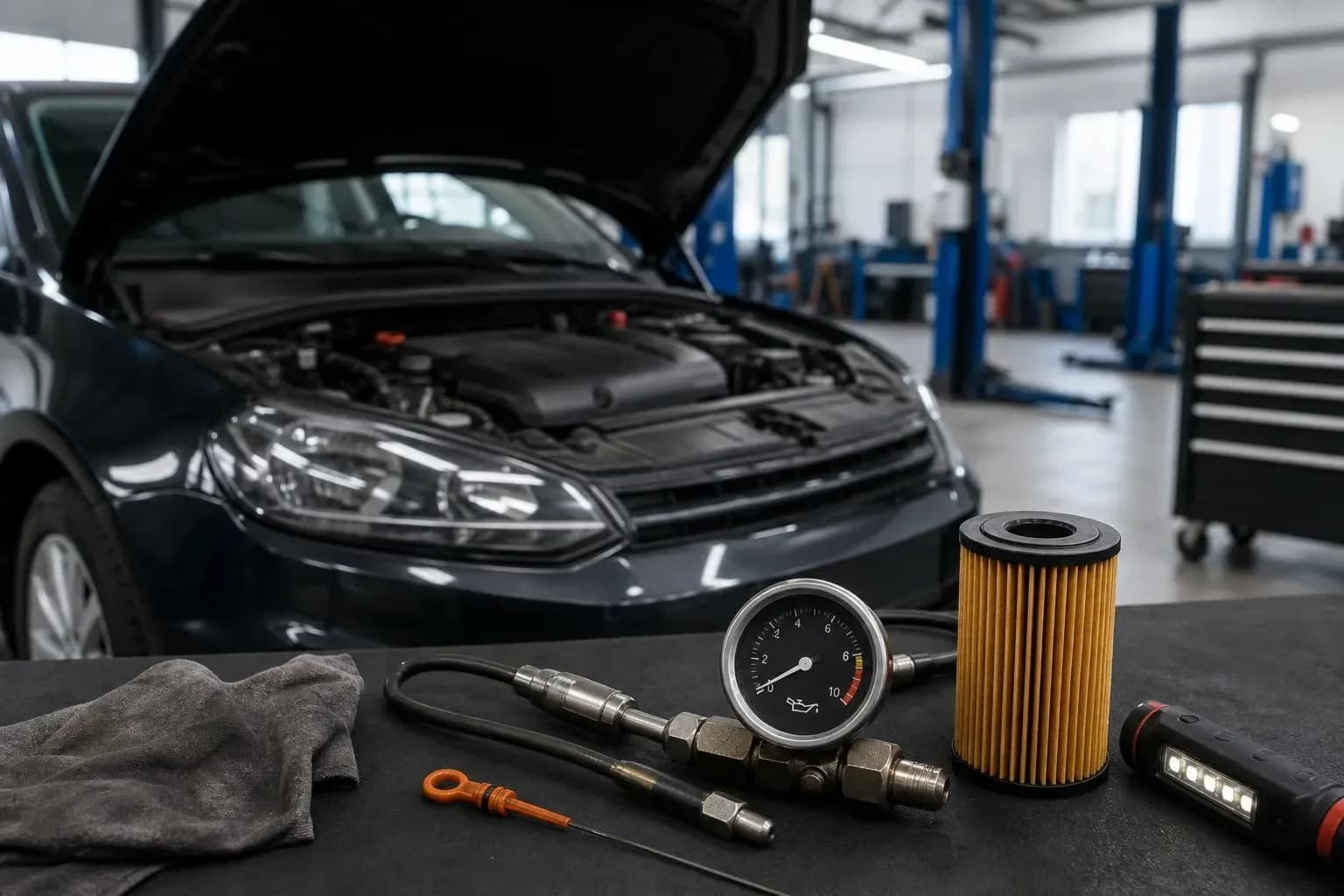
An oil level above the maximum mark should not be ignored. It may be the result of too much oil being added during a service, but if the level rises over time, fuel may be getting into the oil.
First, confirm the reading as described in the car’s handbook. If the excess is confirmed, the level is rising, the oil smells of fuel or a warning message appears, contact a garage and do not continue driving as normal until the car has been assessed.
First, confirm the reading
The conditions for checking the oil level vary between cars. The handbook may specify whether the engine should be cold or warm, what surface the car should be parked on and how long to wait after switching it off. Cars with electronic level measurement may have additional requirements for displaying a reading. There is no single procedure that applies to every model.
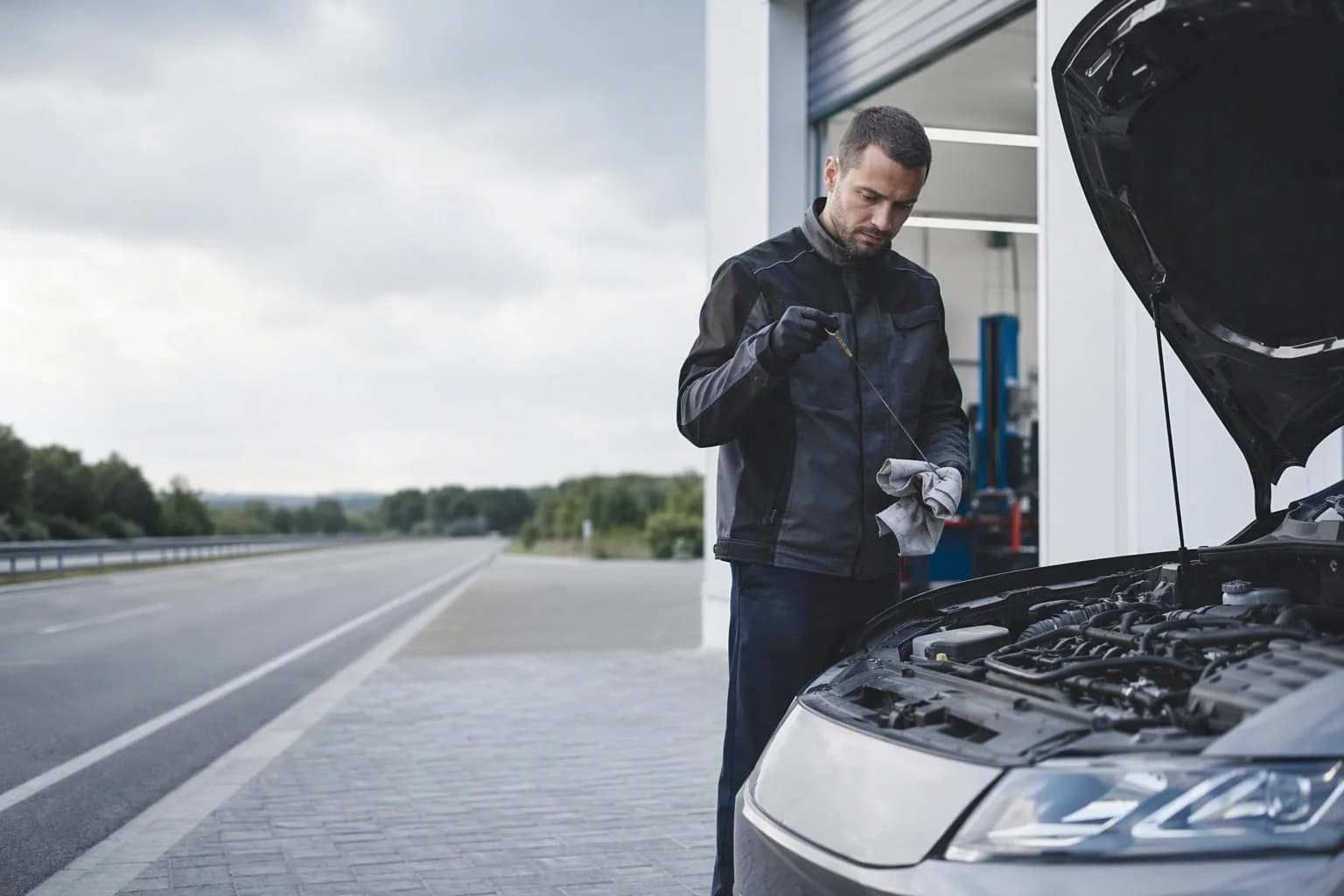
If you use a dipstick, check the level again under the conditions specified by the manufacturer. Remove and wipe the dipstick, push it all the way back in, then take a reading. Check whether the oil is above the maximum mark, rather than just at the mark. A single incorrect reading may be due to unsuitable measuring conditions, but checking again does not explain the cause.
Make a note of when you noticed the change and whether the level was previously correct. It is also useful to know whether the oil was changed recently, whether a warning appeared on the dashboard and whether the car is mainly used for short journeys. This information will help the garage assess the situation.
What can cause excess oil?
If the level is above maximum straight after an oil change or topping up, one possible cause is that too much oil was added. However, do not assume this without checking. Incorrect measuring conditions can also give a misleading reading, so it is important to confirm it according to the handbook for the specific car.
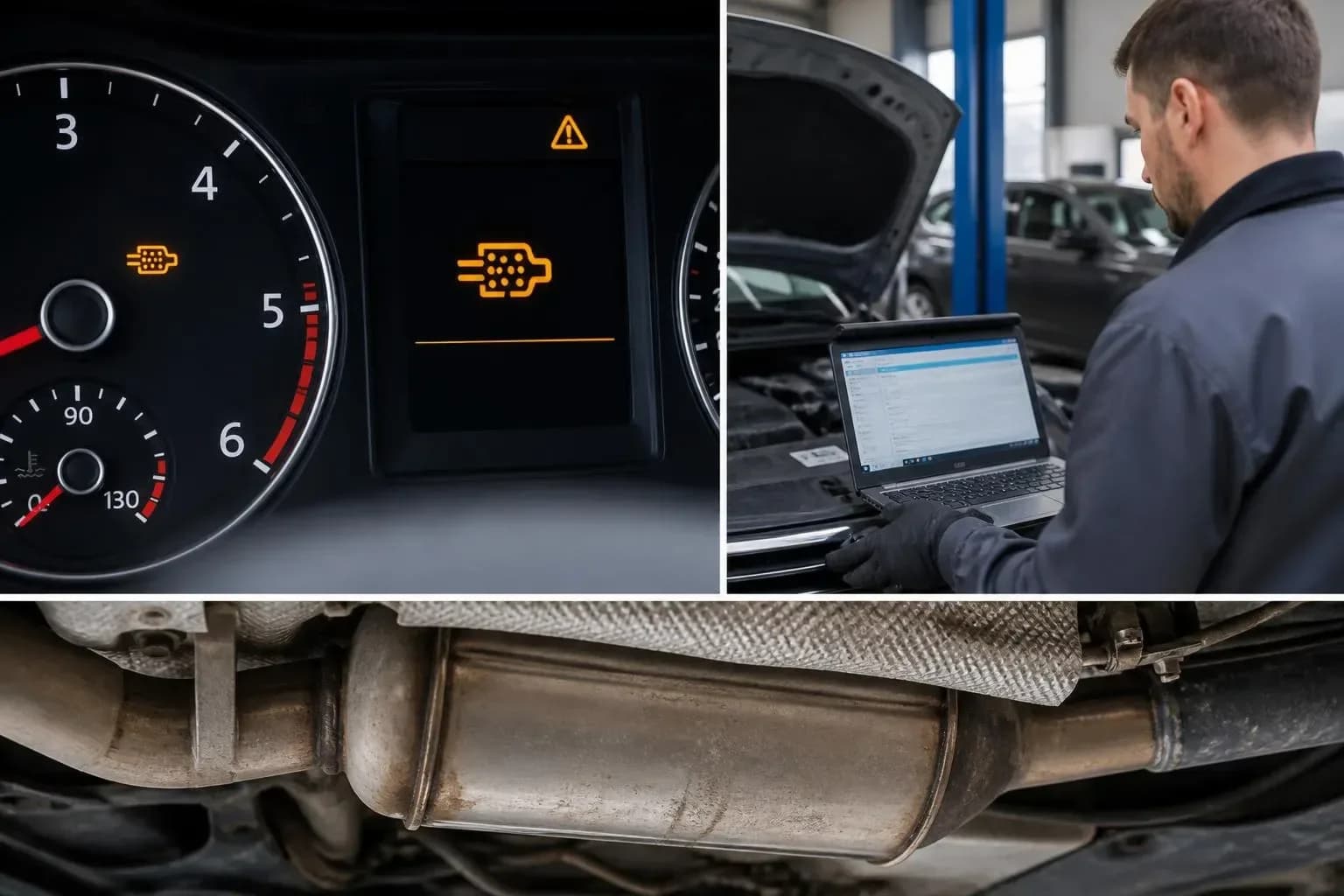
A different approach is needed if the level rises between checks. Fuel may be accumulating in the engine and getting into the oil. In some diesel engines, this may be related to regeneration of the diesel particulate filter, which burns off accumulated soot. This does not mean that every rise in oil level is related to the DPF. The cause needs to be assessed for the specific engine.
Frequent short journeys, during which the engine does not reach its normal operating temperature, and long periods idling may be relevant in some models. This is not a universal explanation or proof of a fault. The smell of fuel in the oil may increase suspicion that it has been diluted, but on its own it does not show the extent of the problem or identify its source.
Whatever the cause, an oil level above maximum should be taken seriously. The manufacturer may warn that excess oil can damage the engine. There is no universally safe amount of excess oil that can simply be ignored.
When to limit driving or stop the car
If a correctly performed check confirms that the level is above maximum, do not plan to continue driving as normal until you have spoken to a garage. Contact a workshop and explain the reading, when you noticed it and any symptoms. The garage can help determine whether the car can be driven a short distance or whether transport is a better option. It is not possible to give a safe distance that applies to all engines.
Stop in a safe place, switch off the engine and do not drive on if a stop warning appears, the oil pressure warning light comes on, the car is smoking or the engine is running loudly or unevenly. In this situation, arrange assistance rather than trying to drive to a garage.
If the level looked slightly high just once but is within range when checked again correctly, monitor it as instructed in the handbook. If it rises above maximum again, continues to increase or the oil smells of fuel, contact a garage without delay. Do not try to extract the oil yourself or force DPF regeneration. Simply lowering the level does not address the cause of the increase.
- Do not continue driving if the oil pressure warning light comes on, the car is smoking, the engine is running abnormally or a warning tells you to stop.
- If excess oil is confirmed, contact a garage before returning to normal use.
- Do not assume that the smell of fuel or a recent oil change, on its own, explains the problem.
What happens during diagnosis at a garage?
Diagnosis starts with establishing the history of the problem. The garage will ask when the level was last correct, whether oil was changed or topped up, how the car is used and whether any warnings appeared or the engine’s behaviour changed. It is helpful to provide this information and show the reading if you have a photo of it.
The mechanic then checks the level under the conditions specified for that model and assesses the condition of the oil. If records are available, they may compare the reading with the amount added during the last oil change. The appearance or smell of the oil is not always enough to identify its composition or the source of the problem.
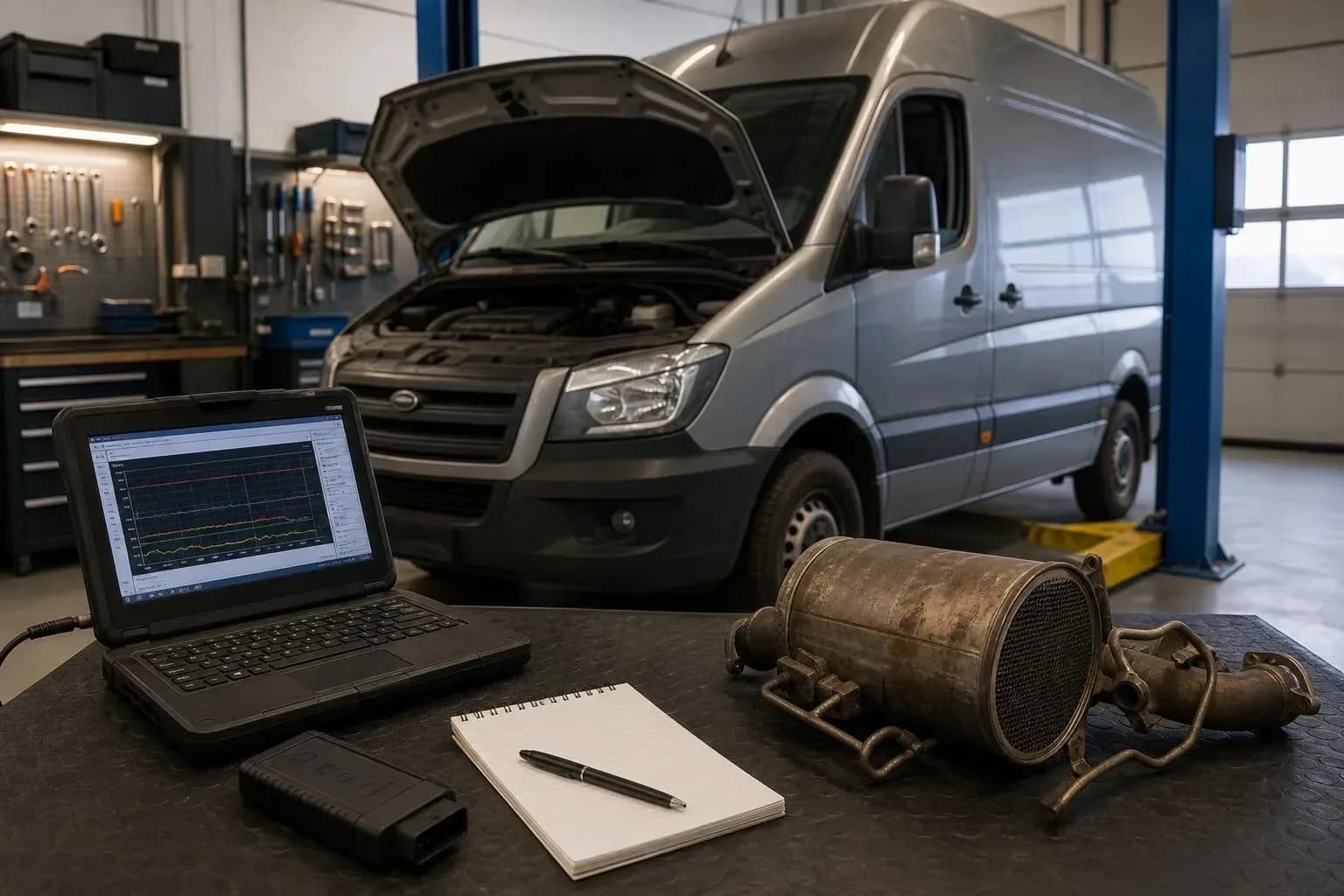
If the level is rising, the next tests will depend on the engine design and the findings from the initial checks. In a diesel car, the garage may check information about DPF regeneration and, if necessary, inspect the fuel injection system. Diagnostic data can help guide further checks, but it does not always identify a single cause on its own.
Once the cause has been established, the garage will determine whether the oil level needs correcting, the oil needs changing or a component causing contamination needs repairing. If a fault is responsible, draining the excess alone will not solve the problem. The appropriate next step is an inspection as part of oil and routine maintenance, with further diagnosis of the engine or DPF system if a problem with either is suspected.
What should you prepare before your visit?
Before speaking to the garage, make a note of how you checked the level and what the reading was. Say whether you used a dipstick or got the reading from the car’s onboard system, and whether you checked it more than once. The date of the last oil change and whether the level has risen since then will also be useful.
Describe how you use the car, especially frequent short journeys, long periods with the engine running while stationary and any symptoms you have noticed. Do not add more oil if the level is already above maximum. Do not try to remove the excess yourself when the reason for the increase is unknown.