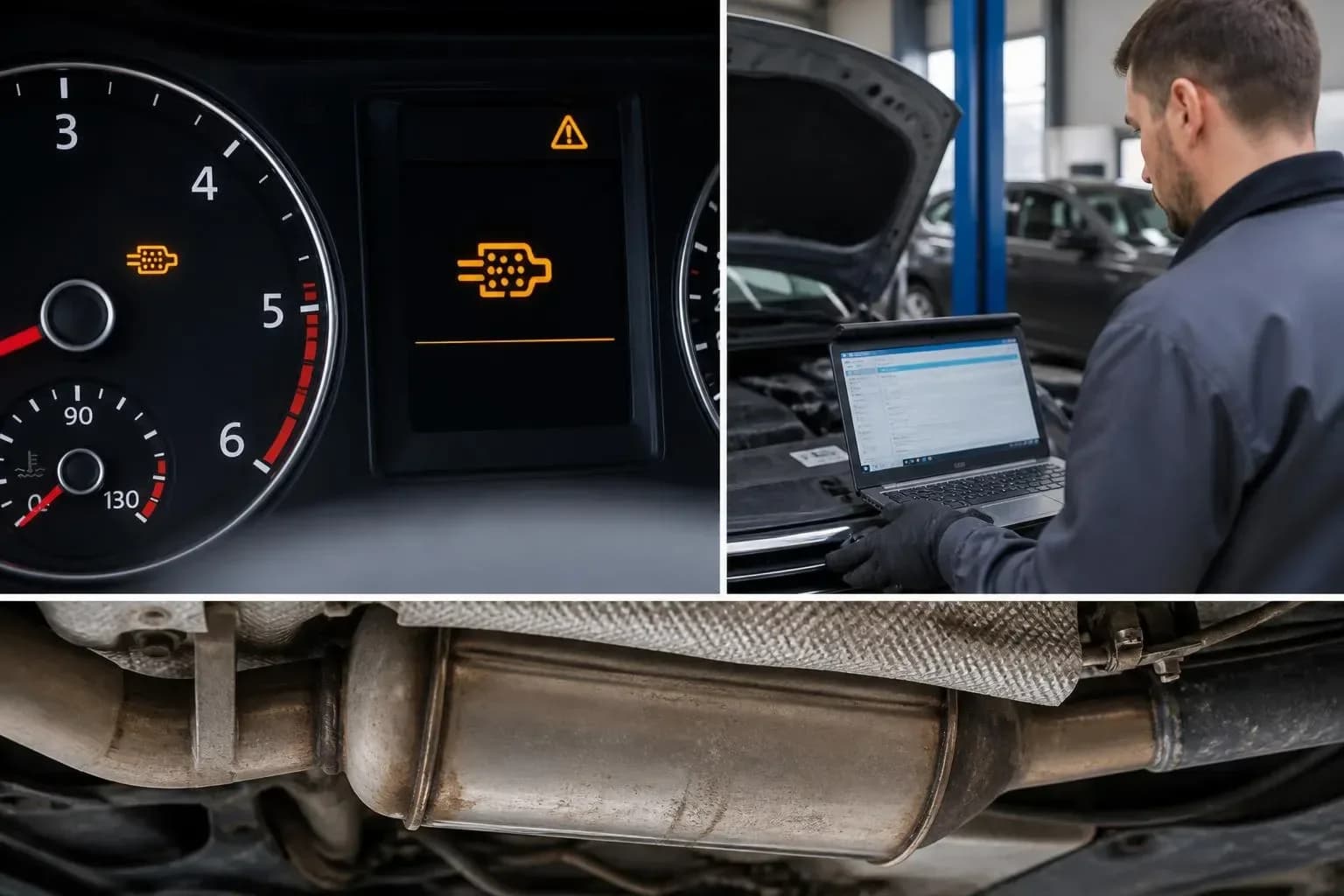
If a VW Transporter or Crafter often regenerates the DPF and the fan runs after switching off the engine, it does not necessarily mean a fault.
Is the fan running after engine shutdown normal?
The fan running after shutdown can be a normal result of an ongoing or interrupted DPF regeneration. In TDI engines the engine control unit (ECU) raises exhaust temperature to burn off soot in the filter. The driver may notice higher idle revs, a different exhaust smell, temporarily increased fuel consumption and the fan running after the ignition is switched off.
A single regeneration after urban driving is not a reason to panic. On Volkswagen Transporter T5/T6/T6.1 and Crafter models it becomes worrying only when the process repeats very frequently or never appears to complete.
Then the DPF may not be reaching the conditions required for effective cleaning, or the ECU sees data that suggest excessive soot loading.
When does frequent DPF regeneration indicate a problem?
Frequent DPF regeneration requires diagnostics when the symptoms repeat despite normal driving and begin to affect the vehicle's operation. The statement 'the DPF is regenerating' alone does not yet tell whether the filter, the EGR, a sensor, the intake, the way the vehicle is used, or engine management is at fault.
Therefore, a sensible next step is service of the DPF, EGR and AdBlue systems, not random clearing of fault codes.
– The fan often runs after the engine is switched off, even after short trips
– Idle revs are noticeably elevated and only return to normal after some time
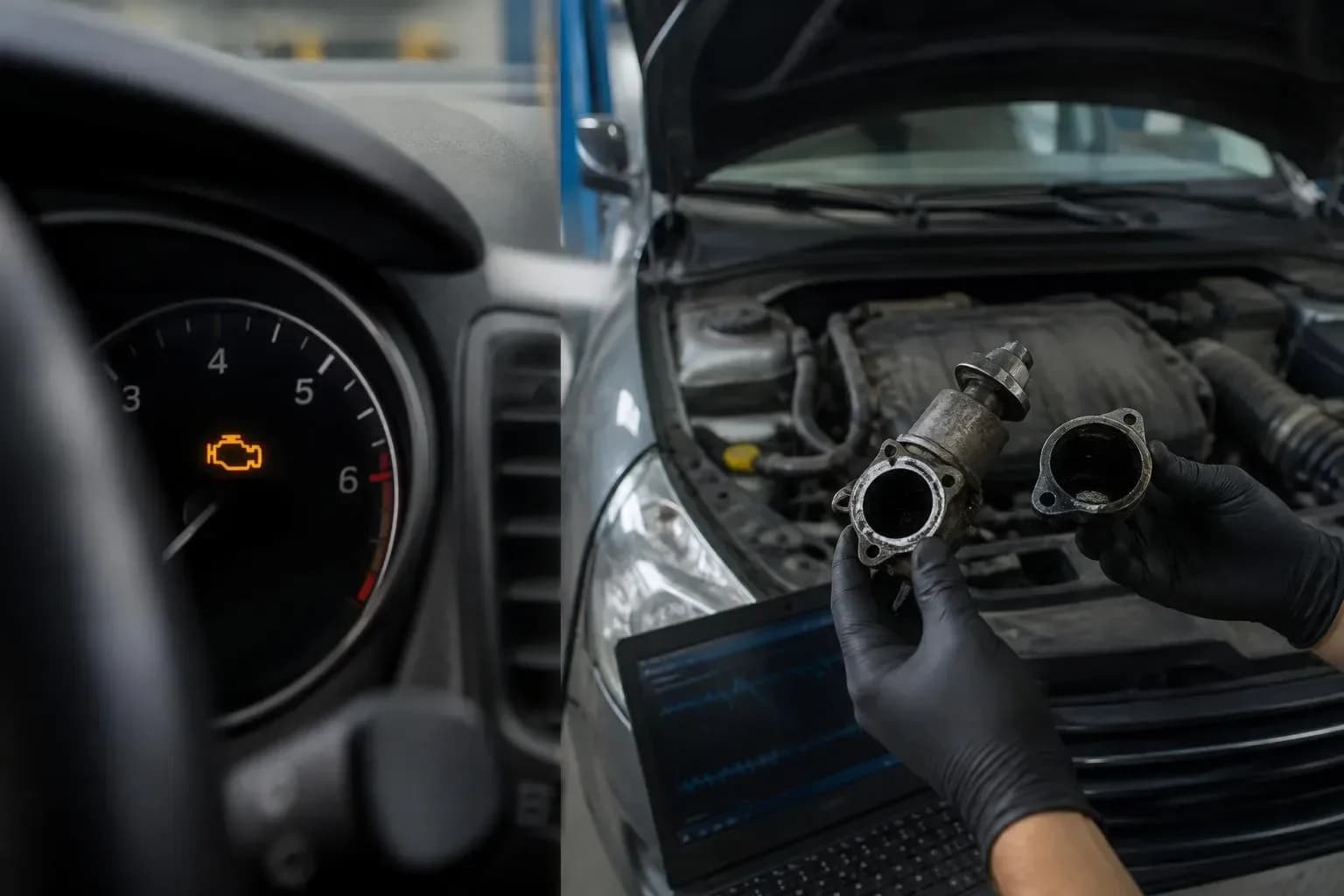
– The DPF warning light, Check Engine light or an emissions-related message appears
– The vehicle accelerates poorly, enters limp mode or cuts out under load
– Regeneration is interrupted because the engine is switched off before completion
– The vehicle is driven mainly on short trips with frequent starts and an under-warmed engine
If this is accompanied by a flashing glow plug warning light, loss of power or rough running, the problem may involve broader TDI engine management. In that case it's not worth focusing solely on the filter, because the DPF often results from other faults rather than being the only cause.
What can cause failed DPF regenerations?
Failed DPF regenerations can result from driving conditions or from a fault in the exhaust system, EGR, intake or engine ancillaries. Short trips on local roads, a cold engine and frequent switching off of the vehicle make it harder to oxidise the soot. However, if the vehicle has appropriate driving conditions and still regenerates the filter too often, parameters must be checked rather than guessed.
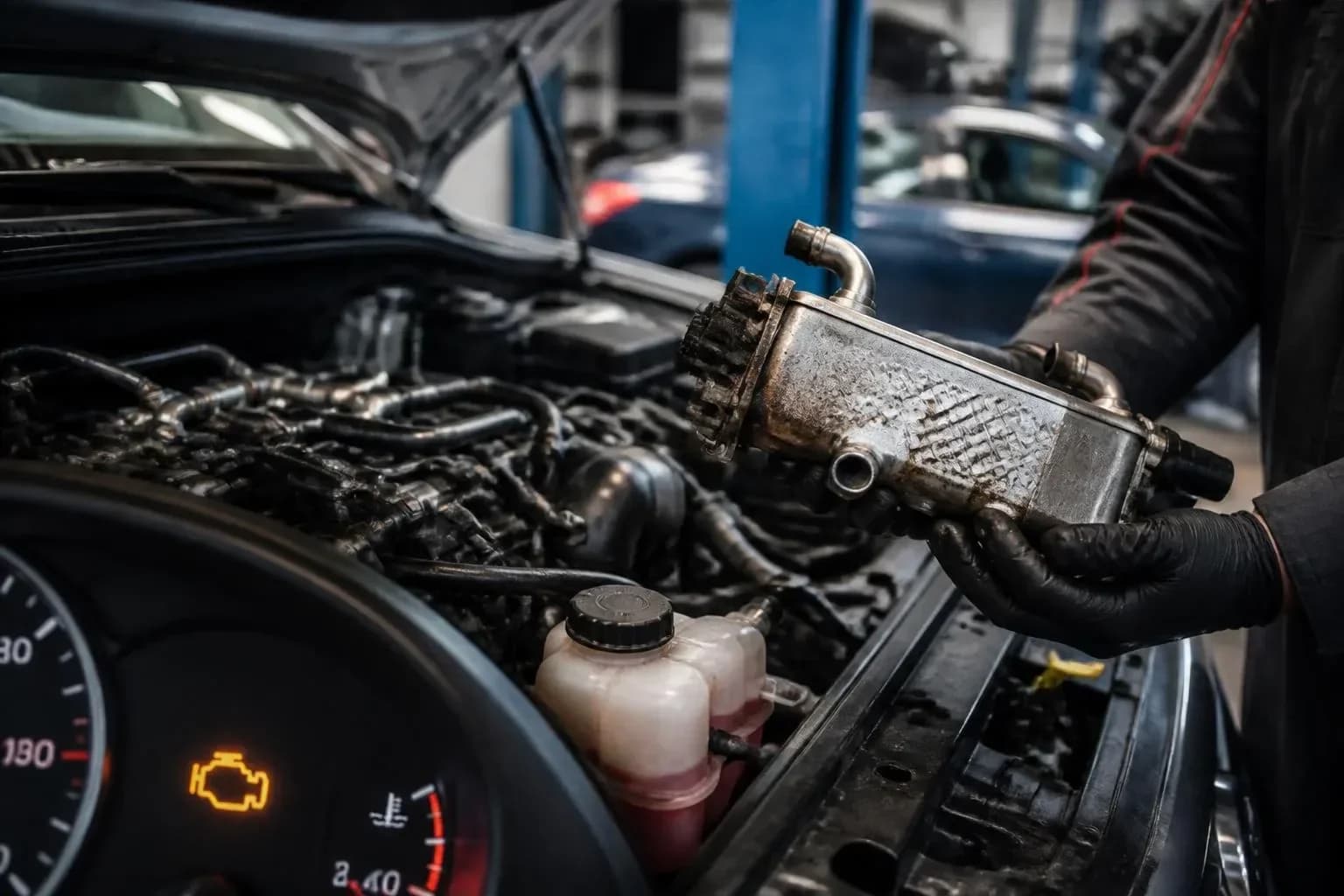
Important diagnostics include, among others, soot loading, differential pressure, exhaust temperatures, EGR valve operation, intake sealing, boost pressure and sensor readings. It happens that the filter appears to be to blame, while the cause lies in a leak, a differential pressure sensor, disturbed airflow or a problem with the ancillaries.
In such situations engine and ancillaries repair may also be necessary.
For Volkswagen vehicles a VW service centre is a good starting point, because the Transporter and Crafter have a specific usage profile: they often carry loads, operate in urban duty cycles, idle for long periods or perform many short runs. All of this matters when assessing whether the DPF is behaving normally.
What not to do when the DPF regenerates constantly?
When the DPF regenerates constantly, it's not worth starting by clearing fault codes or randomly replacing parts. A cleared fault will return quickly if the cause remains, and failed regenerations can increase filter loading and burden the engine.
This symptom-first diagnostic guide therefore starts with observing symptoms, and only then moves on to checking parameters.
1. Note when regeneration occurs: after how many kilometres, on a cold or warm engine, after city driving or on a route
2. Pay attention whether the fan runs after every shutdown or only after short trips
3. Do not deliberately interrupt regeneration if you can safely continue driving calmly
4. Do not ignore DPF, Check Engine lights and loss of power, especially in a loaded vehicle
5. Do not perform emissions system modifications instead of determining the cause of the problem
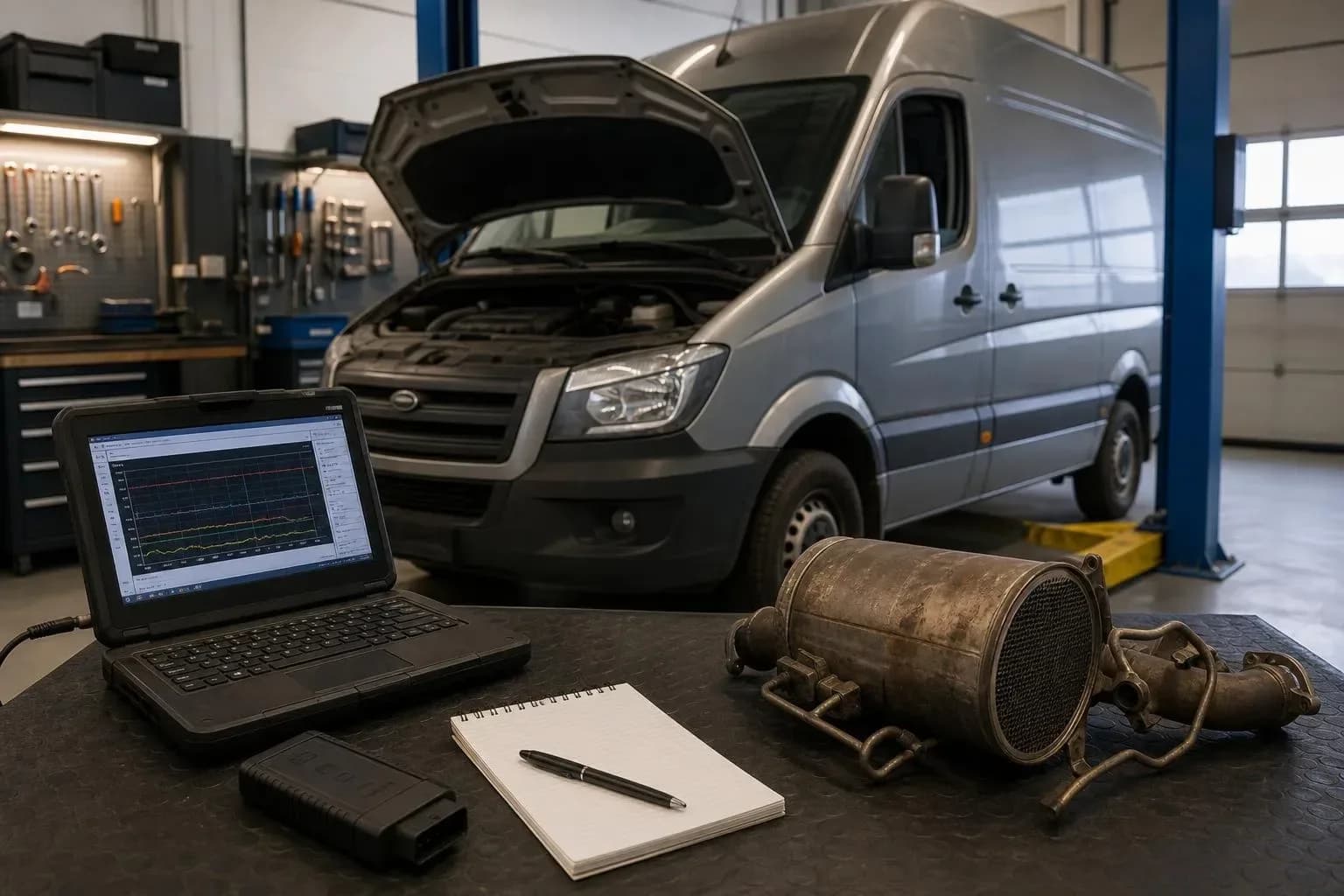
If you want to better understand how computer diagnostics work, remember one rule: the tester is not just for reading fault codes. For the DPF the most important things are live data and their interpretation in the context of symptoms, trip profile and engine temperature.
Can you continue driving a Transporter or Crafter?
Continuing to drive is usually possible only when the vehicle drives normally, there is no loss of power and no warning lights are illuminated. In that case you can monitor the symptom and schedule computer diagnostics.
However, if limp mode appears, the DPF light is on, regenerations are clearly frequent, or the vehicle is used under load, delaying a visit can increase the scope of repairs.
In practice it is safest to collect some information before the visit: model, engine, type of route, when the symptom occurs, dashboard messages and whether regeneration is usually interrupted. This lets the workshop start by checking the correct DPF, EGR, intake and sensor parameters instead of guessing.
When to book DPF diagnostics at a workshop?
You should book DPF diagnostics when the symptom repeats regularly or is accompanied by warning lights, loss of power and the fan running after engine shutdown.
In the workshop the computer data can be compared with the vehicle's actual behaviour, the exhaust system, EGR, intake and engine ancillaries can be checked and it can be determined whether the problem is the filter, the control or the operating conditions.
The most sensible plan is not to guess but to start with parameter diagnostics. This is especially important for TDI vans used daily for work, because any unnecessary parts replacement means downtime, and any ignored regeneration can deepen the emissions system problem.