An engine that stalls while slowing down, disengaging the clutch or coming to a stop may not be maintaining a stable idle. The car may drive normally for a while after restarting, but that does not mean the problem has gone away.
Possible causes include components in the air intake, fuel supply, ignition or engine management systems. In a car with an automatic gearbox, the garage may also check how the gearbox is operating. Diagnosis requires measurements, so it is worth noting the circumstances in which the symptom occurs before your visit.
What does stalling while slowing down mean?
When you take your foot off the accelerator, the engine control unit should keep the engine running as the revs fall to idle. The engine must also respond to changing loads, such as the air conditioning or electrical accessories being switched on. If the revs drop too low, fluctuate or the engine stops, this indicates a problem, but it does not yet show which component is causing it.
Note whether the engine stalls when you press the clutch, while braking, after selecting neutral, or also when stationary. Record whether the engine was cold or warm and whether the problem gets worse when the air conditioning is on. These observations help the garage recreate the conditions in which the fault occurs.
The fact that the car can be restarted does not confirm that the system is working properly. The fault may occur only in certain conditions, and the engine control unit does not always store a fault code that clearly identifies the cause.
- Note how often the engine stalls and what happens immediately beforehand.
- Check whether any warning lights come on and whether they go out after restarting.
- Record whether the problem occurs when the engine is warm, or when the air conditioning or other electrical accessories are on.
- Tell the garage whether the car has a manual or automatic gearbox.
What groups of causes are considered?
One area to check is the air intake system, which is the route air takes into the engine. A leak or a problem controlling the amount of air can affect idle. Depending on the car's design, idle control may be a separate component or part of the electronic throttle body. Not every vehicle therefore has a separate idle air control valve.
Sensor signals may also be relevant, including information about the throttle position or the amount of air being drawn in. An incorrect reading can affect how the air-fuel mixture is controlled, but stalling alone does not confirm that a particular sensor has failed. The same applies to a possible problem with the exhaust gas recirculation system, or EGR. This is just one possible area to investigate if other test results point to it.
The fuel supply, ignition system in a petrol engine and electrical connections may also need to be considered. Depending on the symptoms, the garage may check ignition performance, fuel pressure or electrical continuity, among other things. If the car has an automatic gearbox, its operation may need to be assessed if the engine stalls while slowing down. The checks required depend on the design of the specific vehicle.
How is professional diagnosis carried out?
Diagnosis should start with a discussion of the symptoms and an attempt to recreate the conditions in which the problem occurs. The mechanic may carry out a road test if the condition of the car and the circumstances allow. It is important to check whether the engine stalls when warm, under a particular load or during a specific manoeuvre.
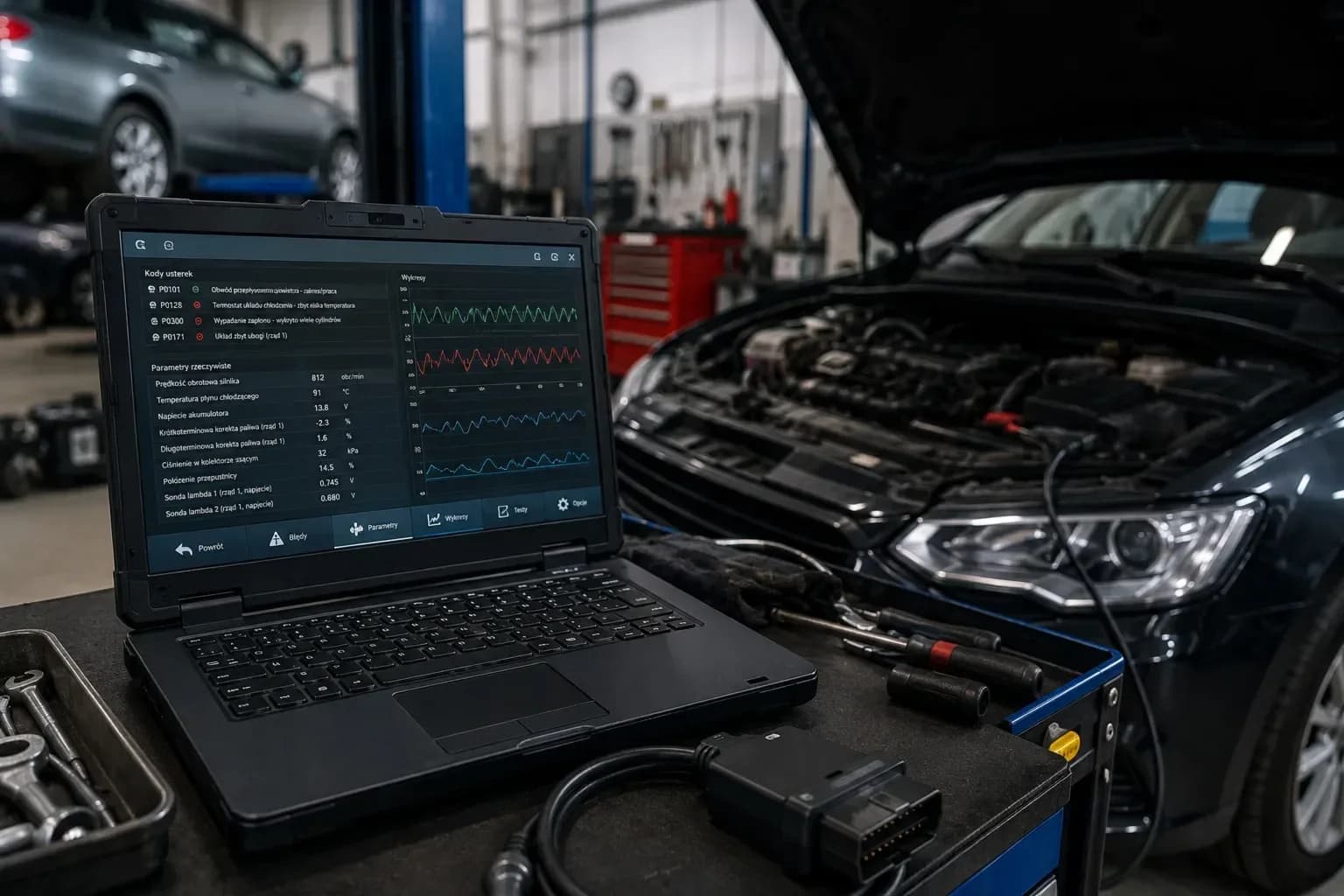
The garage then reads any fault codes stored in the engine control unit and analyses live operating data. A fault code is a clue, not automatic confirmation that the part it refers to needs replacing. The fault may not leave a clear record, so the absence of a code does not rule out a problem either.
Depending on the results, the garage checks the air intake and throttle body, sensor signals, and the operation of the fuel and ignition systems. It may carry out electrical measurements and test selected components. In cars with an automatic gearbox, the garage also checks whether the symptom could be related to its operation. Only by comparing observations, data and measurements can the next steps be decided. There is no reason to replace a component solely because it can be associated with a similar symptom.
- Give the garage your notes on engine temperature, load and how often the engine stalls.
- Ask them to explain which results support the suspected cause.
- Do not clear fault codes yourself before diagnosis if this could make it harder to assess the stored data.
When should you limit or stop driving?
A single stall is not enough to determine whether it is safe to continue driving. If the engine stalls repeatedly, stop in a safe place and arrange for the car to be diagnosed. Do not treat restarting as proof that the problem has gone away. Stalling in traffic can make the car harder to control, and the operation of the power steering or brakes after the engine stops depends on the vehicle's design and may change.
Stop driving and call for assistance if you can smell fuel, see a leak, the engine warning light is flashing, or the brakes or steering feel different. Do not try to drive to the garage if the car cannot be driven safely. In that situation, roadside assistance is the better option.
If the symptom occurred once and there are no other warning signs, decide cautiously whether to drive to a garage, taking the car's behaviour and the manufacturer's instructions into account. If the engine stalls again or you are unsure you can control the car, pull over somewhere safe and do not continue driving.
What should you do before visiting a garage?
The most useful information is specific: when the engine stalls, whether it is warm, which accessories are switched on and whether any warning lights appear. Also describe whether it restarts straight away, whether the revs fluctuate beforehand and whether the problem occurs every time you approach a stop. You do not need to identify the faulty part yourself.
Do not dismantle or adjust the fuel, ignition or engine management systems. Do not disconnect sensors or try to reproduce the symptom in traffic. The most sensible next step is computer diagnostics combined with checks of operating data and measurements. If the results show that a repair is needed, the garage can decide on its scope based on the confirmed cause.