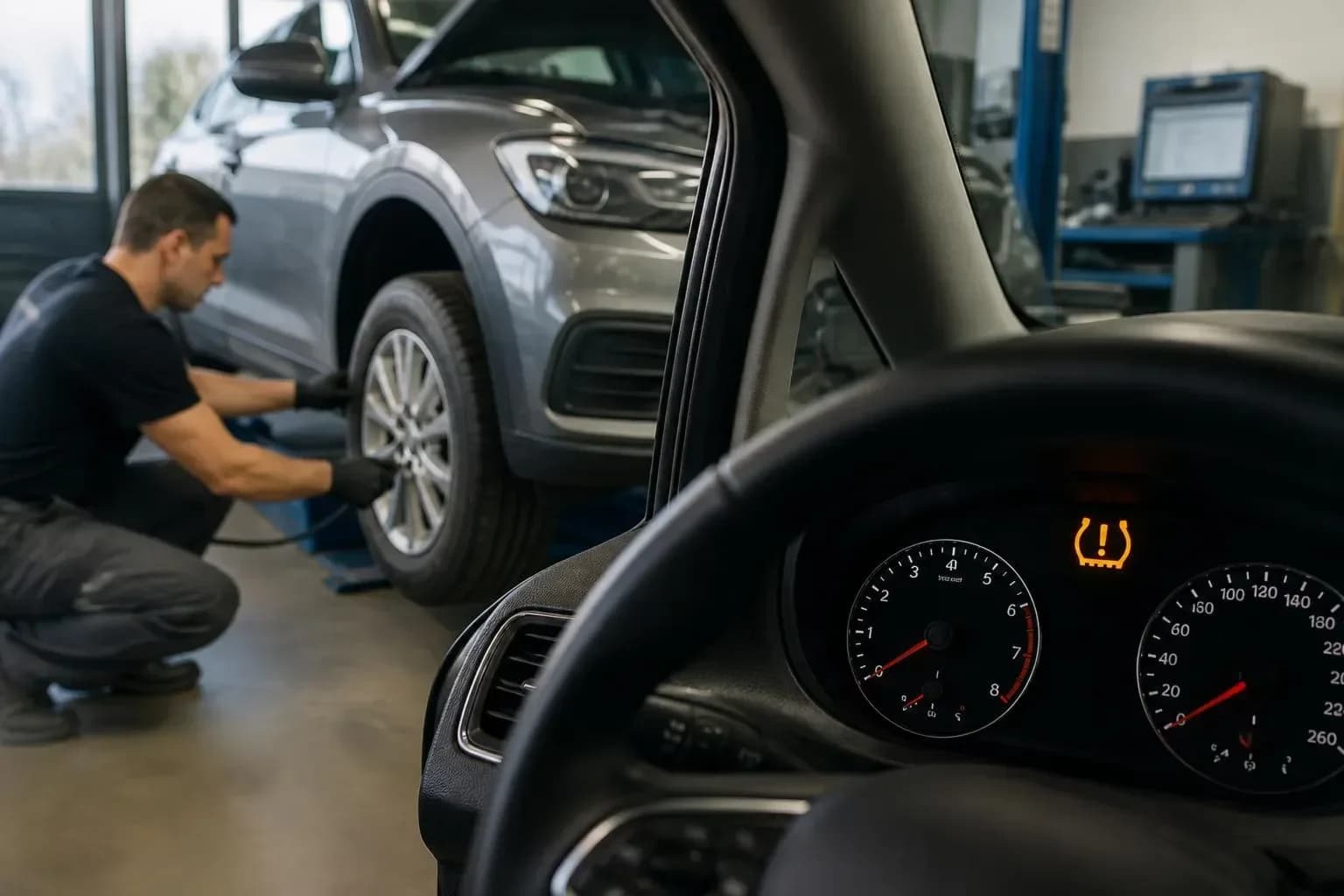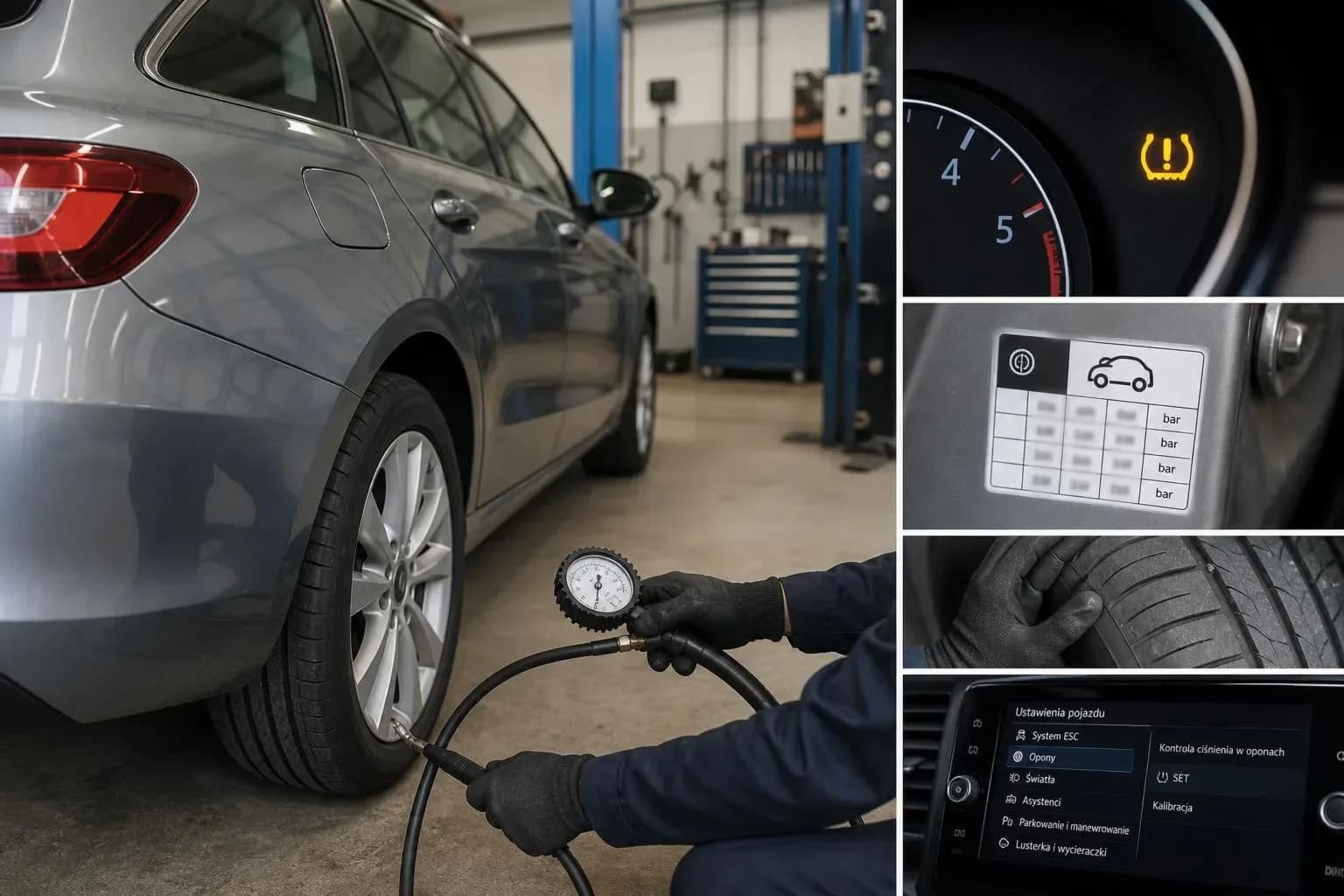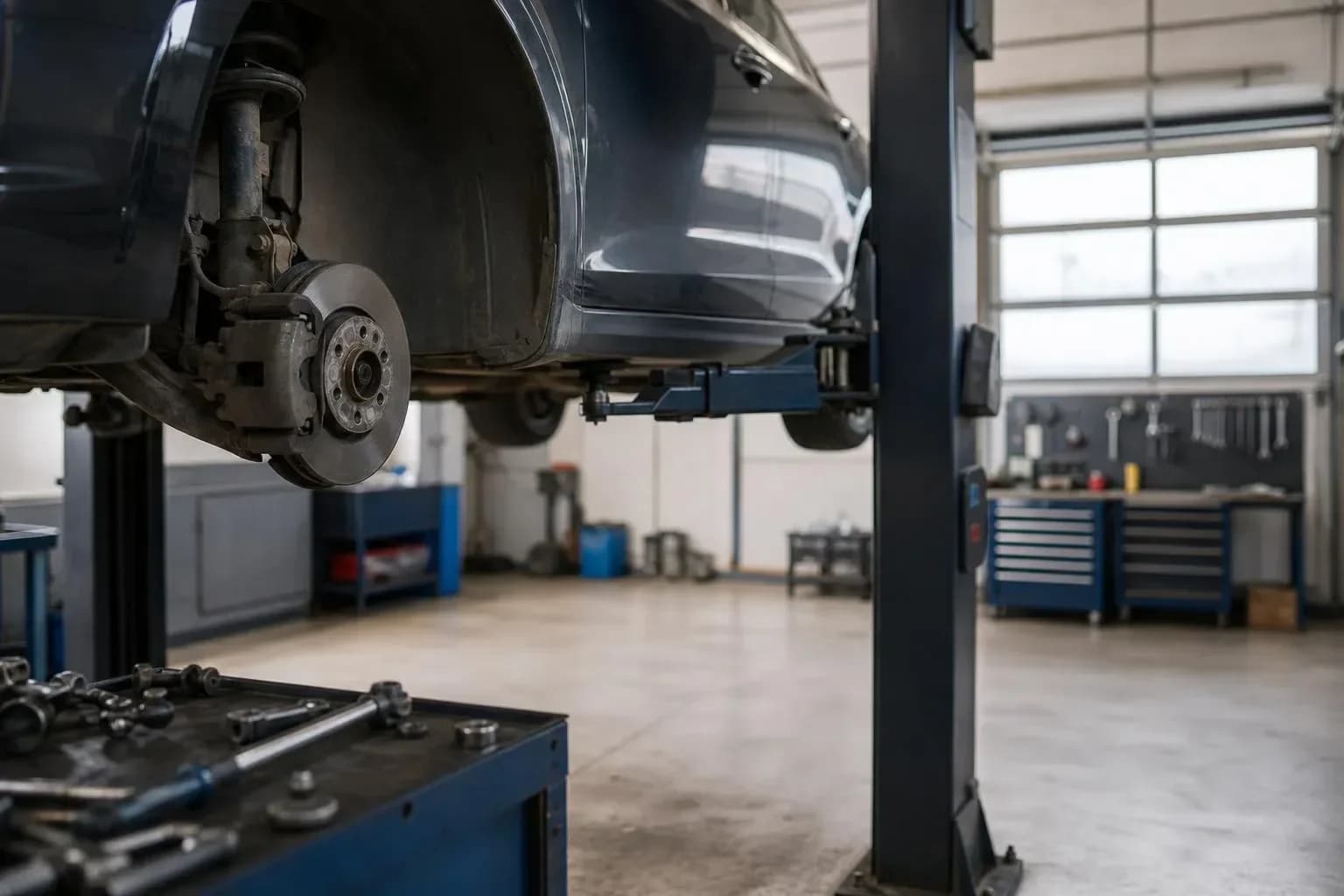
You can sometimes drive carefully to a service centre with a knocking suspension, but it shouldn't be left unattended. Tapping, creaking or metallic impacts can be a minor issue or play in a part that affects vehicle handling. The key is when the sound appears and whether other symptoms occur.
What most often knocks in the suspension on uneven surfaces?
Knocks over uneven surfaces most often indicate play, wear in rubber-to-metal parts or an issue with a suspension mounting. The driver usually hears a short "click", a dull knock or a series of impacts when passing transverse bumps, drain covers and potholes.
Typical noise sources are anti-roll bar links, control arm bushings, ball joints, tie-rod ends, shock absorbers (dampers) or their top mounts. Sometimes a similar sound comes from a loose shield, an exhaust component or an object in the boot, so just locating the noise as "front" or "rear" is not enough for a correct repair.
In practice it's important whether the noise appears only on small bumps or also when the suspension bottoms out heavily. A dull knock at low speed on setts can mean a different problem than a heavy impact after hitting a deep hole. A good garage starts with talking to the driver, a test drive and checking for play, not guessing parts.
Are knocks when turning more dangerous?
Knocks or skipping when turning require faster inspection because they may concern components responsible for steering the wheel. If the sound appears during manoeuvring, when starting with the wheels turned or while cornering, the risk of continuing to drive increases.
When turning the suspect parts can be tie-rod ends, control arm ball joints, CV joints, strut bearings or damper mounts. If noise is accompanied by play in the steering, the vehicle pulling to one side or a floating feel, don't wait until the next scheduled service.
The steering and suspension work together. Even small play can change the wheel angle while driving. The result can be worse stability, faster tyre wear and slower response to steering input. After suspension repairs a wheel alignment check is often needed.
When can you drive carefully, and when should you stop driving?
A careful drive to the workshop may be possible if the noise is light, the car handles normally and there are no signs of lost control. However avoid high speed, hard braking, sharp turns and potholes, because a damaged part can worsen with every mile.
If you are unsure, treat the symptom as a warning. Suspension is not only about comfort. It keeps the wheel in correct contact with the road, so it affects braking, ABS and ESP operation and stability in an emergency manoeuvre.
- Book a diagnostic quickly if the knocks are new, repeatable and clearly increasing.
- Stop driving or proceed only very cautiously if the car pulls to one side, the steering wheel is crooked or there is noticeable play.
- Do not ignore a metallic impact after hitting a hole, especially if vibrations appeared afterwards.
- Urgent inspection is needed for knocking combined with uneven braking, steering pulsation or ABS/ESP warning lights.
- If a tyre rubs, the wheel looks abnormal or the vehicle sits unevenly, further driving may be dangerous.
Why replacing a single part does not always help?
Replacing a random part does not always remove the knocks, because several different components can cause similar symptoms. An anti-roll bar link, a control arm bushing and a damper mount can make comparable noises but need different repairs.
Therefore suspension diagnostics should include checking for play, the condition of rubber parts, mountings, shock absorbers, the steering system and tyres. Sometimes a test drive is necessary because the noise appears only under load, at a specific speed or on a particular type of bump.
In modern cars mechanical work is increasingly linked with electronics. If a warning light for ABS, ESP or driver-assist systems lit after an impact, a computer diagnosis can be helpful.
It does not replace mechanical inspection, but it helps check whether the controllers detect a problem with a sensor, wheel speed signal or another related system.
How to prepare for a visit to the workshop?
You prepare best by noting when, from where and under what conditions the noise occurs. For the mechanic it's useful to know whether the knocking is heard on a cold car, when turning in one direction, during braking, starting, driving on setts or only at higher speed.
The more precisely you describe the situation, the easier it is to narrow down the source and avoid replacing parts "by trial".
- Identify the side of the car: front, rear, left or right, if you can recognise it.
- Note the type of sound: dull knock, creak, metallic impact, rattling or skipping.
- Check whether the symptom changes when the car is loaded with passengers or luggage.
- Say whether the car recently hit a hole, had tyres, brakes or suspension parts replaced.
- Do not delete information about warning lights if they appeared; they can help with diagnostics.
How to reduce recurrence of knocks after repair?
The risk of recurring knocks is reduced when the repair addresses the root cause, not just the noisiest part. After replacing a part it's worth checking cooperating components, tyre condition and wheel alignment, especially if the car previously pulled or showed uneven tread wear.
Everyday habits help too: go more slowly over speed bumps, avoid deep potholes and react to first changes in vehicle handling. Not every knock means a serious failure, but any repeatable noise from the suspension deserves inspection. If the sound returns, increases or affects handling, the next step should be a workshop diagnostic.