Has the garage called to tell you about another fault? Do not decide solely on the basis of a brief message saying that 'it needs to be done'. Find out what has been found, how it was identified, and whether the garage considers the car safe to drive away.
Finding a fault does not, by itself, determine whether the repair is urgent, whether it was included in the original job, or whether it is connected to the work you authorised. Ask for an explanation and, before deciding, specify which additional work you agree to.
First, find out exactly what the garage has found
The precise name and location of the fault help you understand what the recommendation relates to and distinguish the diagnosis from the proposed repair. They also help establish whether the work was included in the original job.
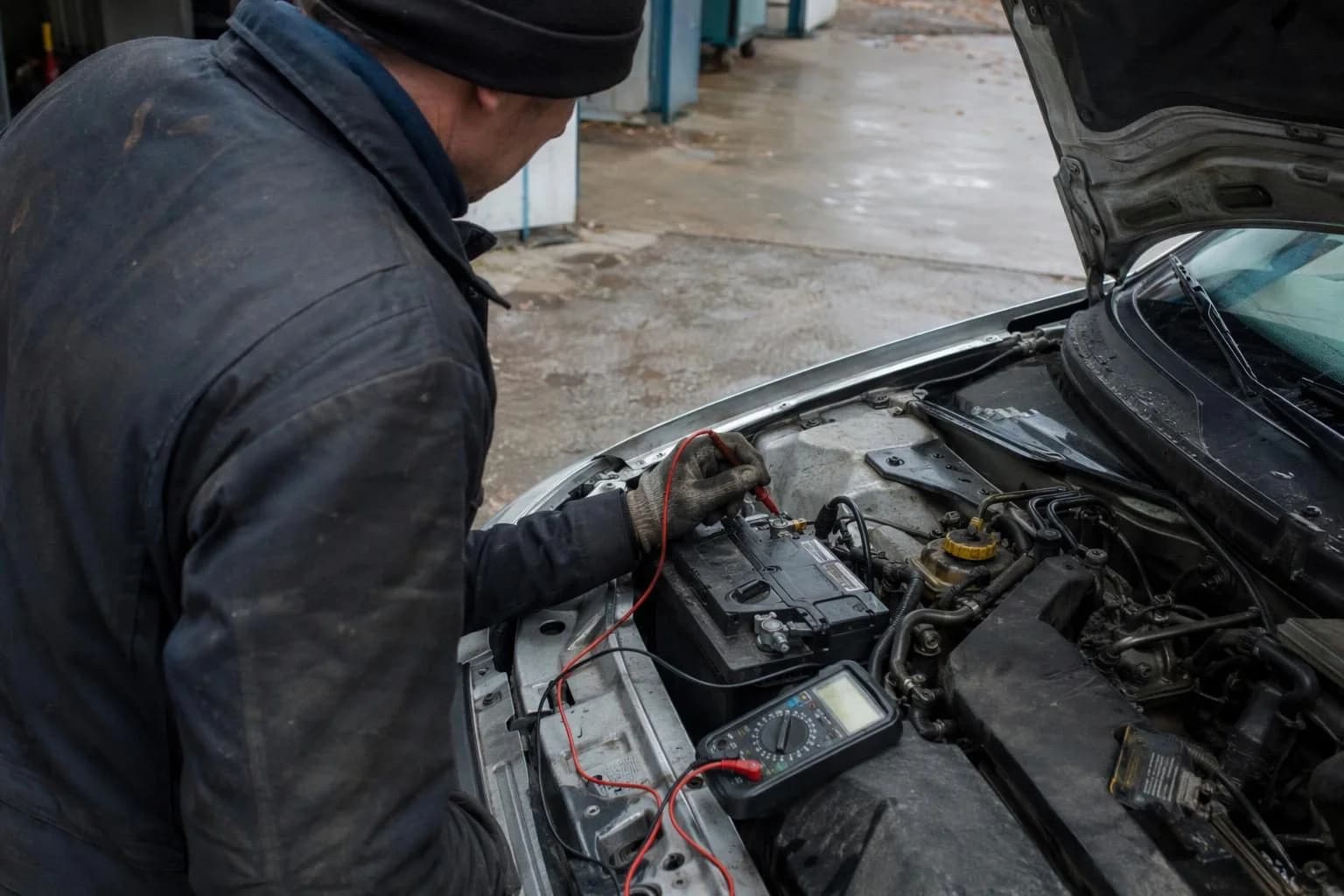
Ask how the garage identified the fault: through a visual inspection, a measurement, a test or a diagnostic scan. This explains the basis for the recommendation, but does not, by itself, determine whether the repair is urgent.
Distinguish an urgent safety risk from a repair that can wait
The most important question is whether the car can be used safely on the road. If the garage says the fault could make driving unsafe, ask clearly whether you may drive the car away. If the garage cannot confirm this, do not drive the car. Agree on a safe collection or transport arrangement.
Poland's Road Traffic Act, the law governing road use, requires vehicles used on the road not to endanger people's safety or expose anyone to harm. Do not try to assess every fault yourself using a general list of symptoms. The effect on safety depends on the diagnosis and the particular vehicle.
If the garage does not identify an urgent risk, you can decline the additional repair and ask whether it will carry out only the original job. This does not mean that every fault can safely be left until later. Ask what the consequences of waiting could be before you decide.
Additional chargeable work requires your clear agreement
If you are a consumer, any additional payment beyond the agreed price requires your express consent. The Polish Office of Competition and Consumer Protection (UOKiK) states that consent cannot be assumed merely because you have not objected. Before deciding, ask: what additional work will be carried out, and what will the total additional cost be? This is a practical way to understand what is being proposed and make an informed decision. It is not a separate legal obligation on the garage arising from the principle set out here.
The scope of the repair agreed when you dropped off the car does not always include every task the garage later proposes. If you do not approve the additional work, say clearly that you are authorising only the original service. Ask the garage to record your decision and confirm what it will and will not do.
The Polish Civil Code contains rules on additional work necessary to complete a task that was not included in the estimate. However, not every agreement with a garage is a contract for a specific work result. Whether these rules apply depends on the type and terms of the particular agreement and the nature of the work. If there is a dispute about the agreed scope of the service, or you are unsure how to interpret the garage's explanation, you can ask a consumer ombudsman for free advice.
What to ask the garage
You can ask the following questions before deciding. If you need time to understand the information, say that you will get back to the garage with your decision.
- What exactly is damaged, and where? Ask for the name of the fault and a straightforward explanation of what the diagnosis relates to.
- How did you identify the fault? Find out whether this was through a visual inspection, a measurement, a test or a diagnostic scan. Ask for a photo or measurement record if one is available.
- Could the fault be connected to the repair I authorised? Ask the garage to identify the specific finding on which its answer is based.
- What additional work do you propose, and what will the total additional cost be? Ask for a clear description of the work before giving your consent.
- What could happen if I delay the repair, can I drive the car away safely, and can I collect it once the original job is complete? Ask for a separate answer to each question.
Record your decision and confirm the scope of the job
For example, you take your car in for an agreed repair, and the garage calls to tell you it has found another fault. After speaking to the garage, you send a message confirming whether you agree to the specified additional work and its total cost, or whether you are authorising only the original scope. Keeping a record helps avoid misunderstandings about what was agreed.
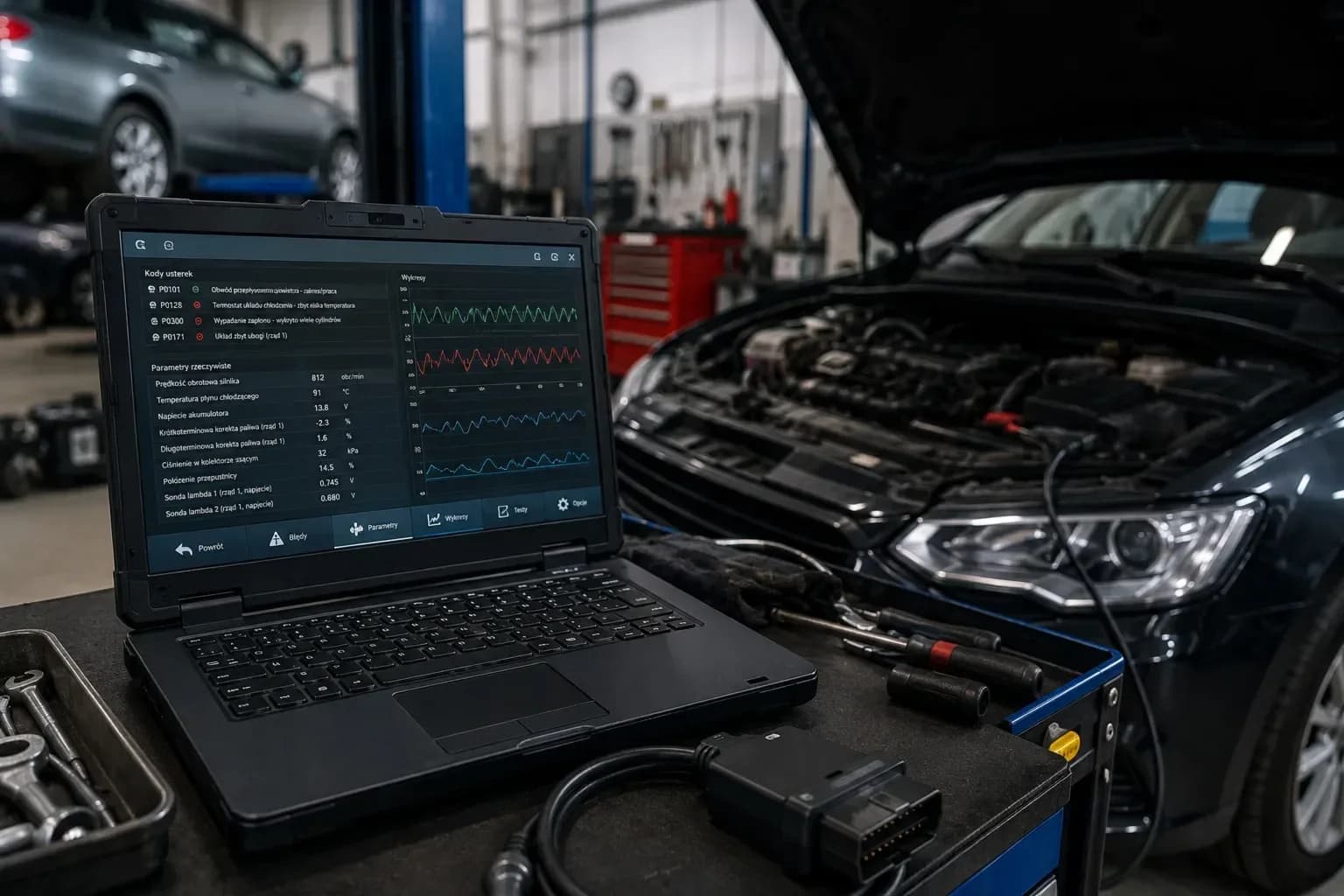
If the matter involves computer diagnostics, a scan alone does not establish which component is faulty. Computer diagnostics can provide more information. At eCarService, the cause is diagnosed first, and the work is agreed with the customer before the repair.