Noticeable vibrations in the steering wheel or seat at specific speeds - for example 80-120 km/h - are a common issue. Even a tyre with "good" tread can generate vibrations due to structural irregularities, the rim or running gear components.
This article describes the most common causes, the typical diagnostic process in a tyre workshop and situations when you should limit or stop driving.
How to recognise the problem - symptoms and what it means
A typical symptom is vibrations or pulsation in the steering wheel within a certain speed band. These may be accompanied by body or seat vibrations and changes in sound - a hum, growl or knock.
Often the symptom appears only in a narrow "window" of speed and disappears after changing speed. This indicates resonance - the vibration frequency of a wheel or tyre part matches the natural frequency of the suspension.
Lack of visible cuts, bulges or irregular tread wear on a quick inspection does not exclude internal tyre defects or small rim damage.
Most common groups of causes
Causes can be grouped into several categories. Knowing this makes it easier to understand why standard inspections sometimes are not enough.
- Wheel balancing - mass imbalance in the wheel-tyre assembly. The most common cause. The symptom usually appears at a specific speed.
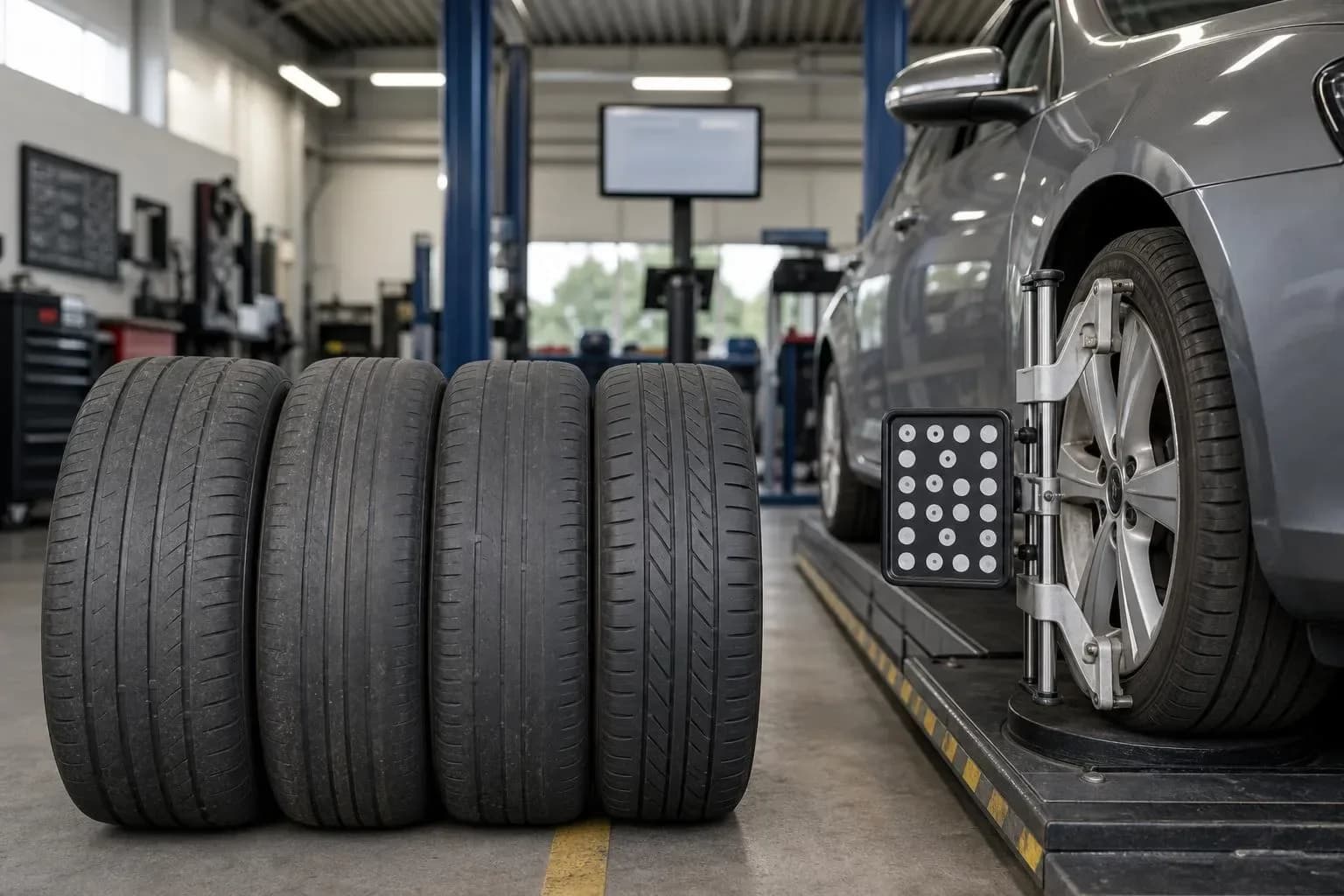
- Out-of-round and tyre separation - the tyre may not be perfectly round or may have local separation of rubber layers. This is not always visible from the outside.
- Radial and lateral runout of the rim or tyre - vertical or lateral runout that causes a "hop" and does not always go away after adding weights.
- Damaged rim - dents, runout or microcracks from impacts can cause vibrations at speed.
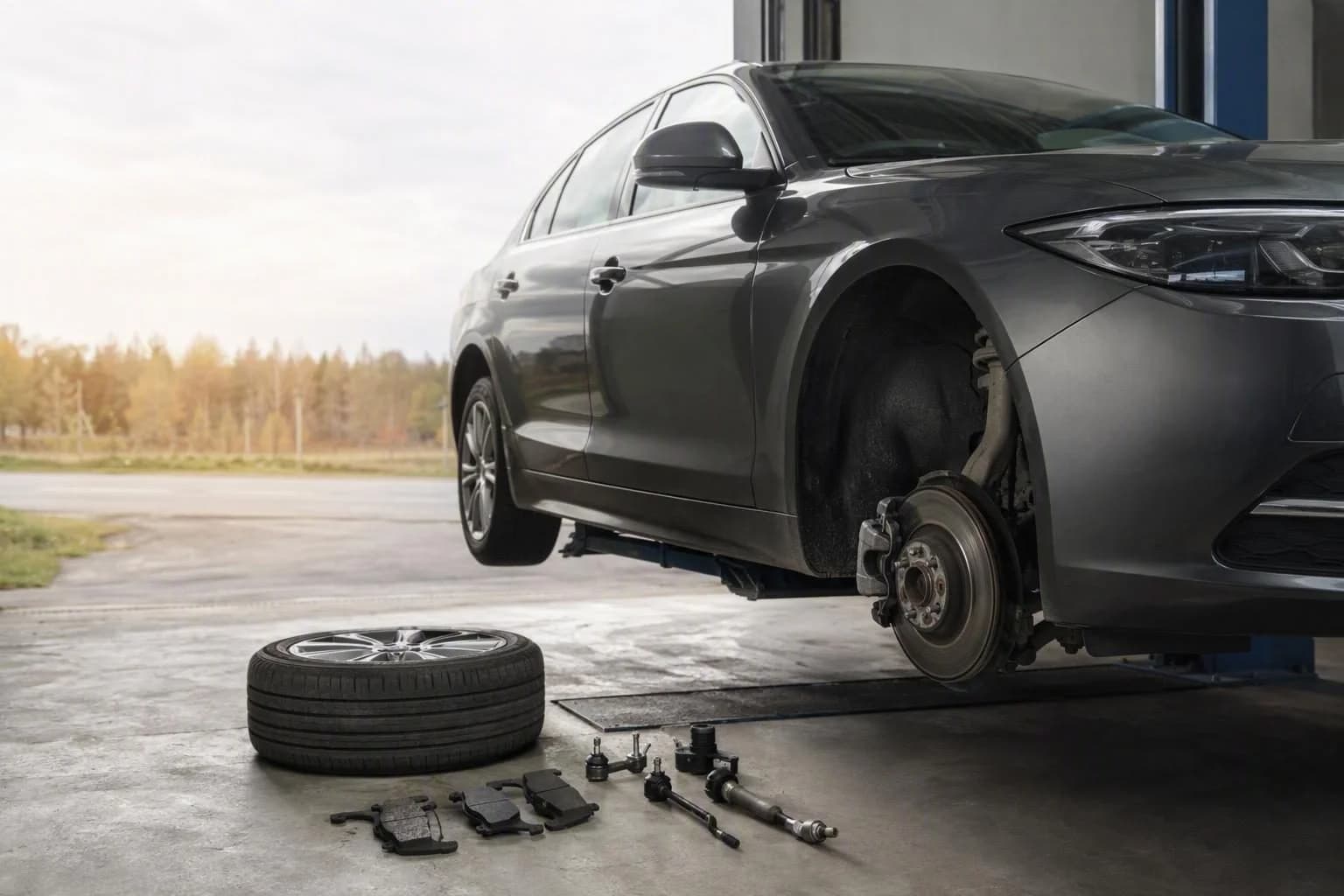
- Hub/bearing problems or play in the running gear - a worn bearing or play in joints and suspension parts can mimic tyre symptoms.
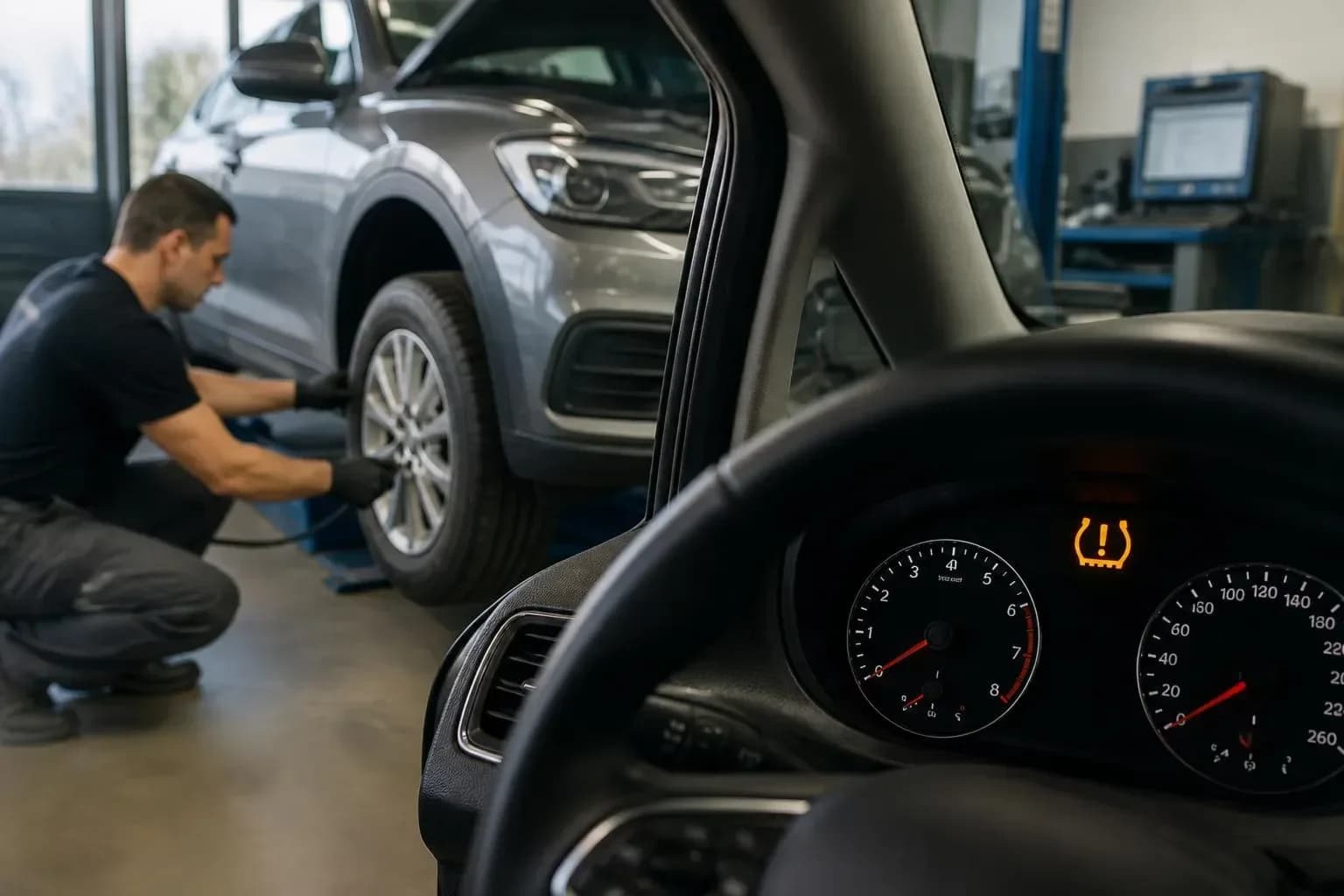
- Tyre pressure and TPMS - incorrect tyre pressure or a faulty sensor can change tyre behaviour, although they usually cause other symptoms as well.
When to limit or stop driving
In most cases moderate vibrations are annoying but do not require an immediate stop. There are, however, situations when you should stop driving and call for help or get to the nearest workshop.
Stop immediately and check if vibrations suddenly increase, steering becomes unstable, there is play in the steering system, a wheel "wobbles" or you hear loud metallic or breaking sounds.
- If there is play on the wheel or you hear metallic knocks - stop driving.
- A sudden increase in vibrations after hitting a pothole or kerb - stop and check.
- If vibrations change character during braking to a pulsation felt in the pedals or steering, consult a workshop - other causes requiring immediate repair may be present.
Diagnostic process at the workshop
Professional diagnostics combine inspection, machine measurements and a road test. The workshop should go through sequential steps to narrow down the source of the problem.
- Confirm the "speed window" with the customer - the technician confirms at which speed the symptom occurs and whether it changes when braking or turning.
- Visual and mounting check - check tyre pressure, presence and position of balancing weights, contamination, loose bolts and visible damage to rims and tyres.
- - a basic test on a balancer. If the problem does not disappear, more advanced tests are performed.
- Road Force / RFV measurement - a balancer with a loading roller detects structural irregularities and tyre conicity. Useful when standard balancing does not help.
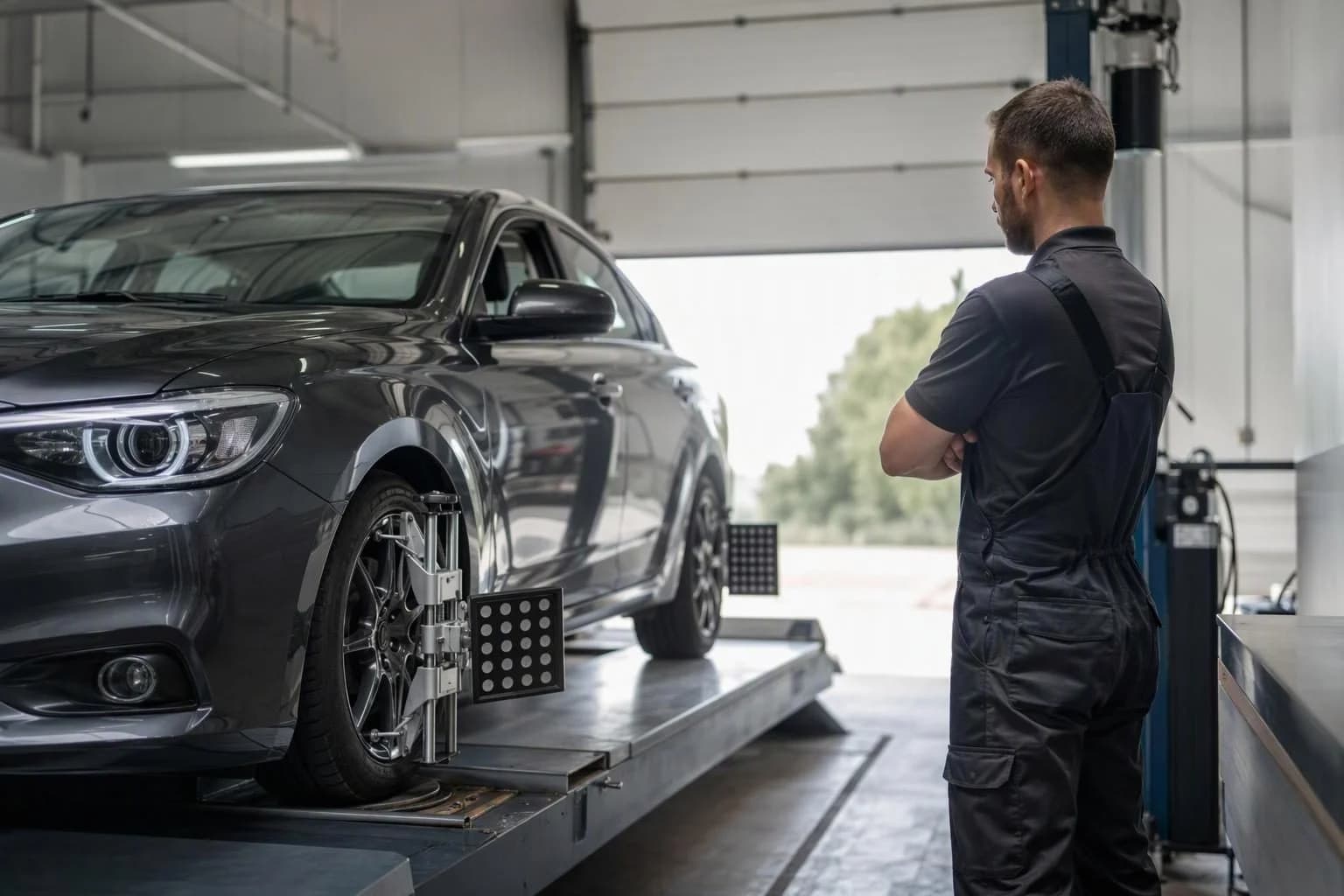
- Runout measurements (radial and lateral) - checking whether the tyre or rim has runout that causes vertical or lateral vibrations.
- Check of hub centring - corrosion on the hub or incorrect wheel mounting can cause vibrations despite proper balancing.
- Inspection of hubs and bearings and - check for play and noises on a lift and during a road test.
- Swapping wheels between axles or testing with a spare wheel - a simple way to determine whether the problem is linked to a specific wheel, axle or the suspension.
What to prepare before visiting the workshop
Good preparation shortens diagnostics. Give the technician a few important details before handing over the car.
Describe the exact speed range where vibrations occur, where they are felt (steering, seat), whether the noise changes when turning or braking and whether the vehicle recently hit a kerb or pothole. Also mention recent tyre changes, rim repairs or loss of balancing weights.
- If the vehicle has TPMS and the warning lamp is on, inform the workshop.
- Ask the workshop for a Road Force test if standard balancing does not solve the problem.
Summary and next step
Vibrations that appear only in a specific speed range are a sign to get prompt diagnostics. Most often the cause is wheel-tyre imbalance, but issues with tyre shape, rim or running gear parts are equally likely.
The most appropriate place for verification is a tyre workshop or a garage equipped for dynamic balancing, Road Force measurement and runout measurement. If symptoms worsen, steering becomes unstable or play appears - stop driving and seek urgent inspection.