If the brake pedal has become soft, has a longer travel, or requires noticeably more force than usual, don’t assume a single fault straight away. The symptom can be related to vacuum assistance (vacuum), but also to air in the hydraulic system, a brake fluid leak, a faulty brake servo (booster) or a vacuum pump.
The key question is whether braking remains predictable. If the pedal sinks deeper than normal, stopping distance increases or the assist weakens after a few presses, don’t postpone a check.
How to tell a vacuum issue apart from other faults
A vacuum fault most often affects the level of brake assist. The driver then feels that the pedal is not necessarily “spongy”, but simply needs to be pressed harder, especially with the engine off, at idle or after a few consecutive pedal presses.
A soft pedal with long travel is more commonly linked to hydraulics: air in the system, degraded fluid, a leak or a problem with the master cylinder. So the symptom alone is not enough to make a single diagnosis.
Symptoms more commonly matching a vacuum issue
– the brake pedal becomes noticeably heavier on the next press
– the assist weakens when the engine is started or when the engine idles unevenly
– after switching the car off, braking increasingly relies on driver effort
– sometimes you can hear a change in engine running if the vacuum system has a leak
Symptoms more commonly matching brake hydraulics
– the pedal sinks deeper and has a clearly soft, elastic feel
– pedal travel changes after a few presses but full effectiveness does not return
– there is a loss of brake fluid
– you can see damp traces near hoses, calipers or the master cylinder
What can cause weakening brake assist
In vacuum systems the fault is not always the brake servo itself. The source may be a leaking hose, a damaged check valve, a vacuum pump, an electric vacuum pump or a leak at the connections between them.
In practice this means one symptom can have several causes. If vacuum leaks away, the servo does not get the support it needs and the brakes become noticeably less ‘light’ to operate.
When it’s better to leave the car and not continue driving
Not every change in brake behaviour means the car must be immobilised immediately, but there are situations where it’s safer not to risk it. If you have to press the pedal hard, the car brakes worse than usual or you feel the pedal travel is unpredictable, continuing to drive is risky.
– the car decelerates noticeably worse than before
– the brake pedal sinks unnaturally deep
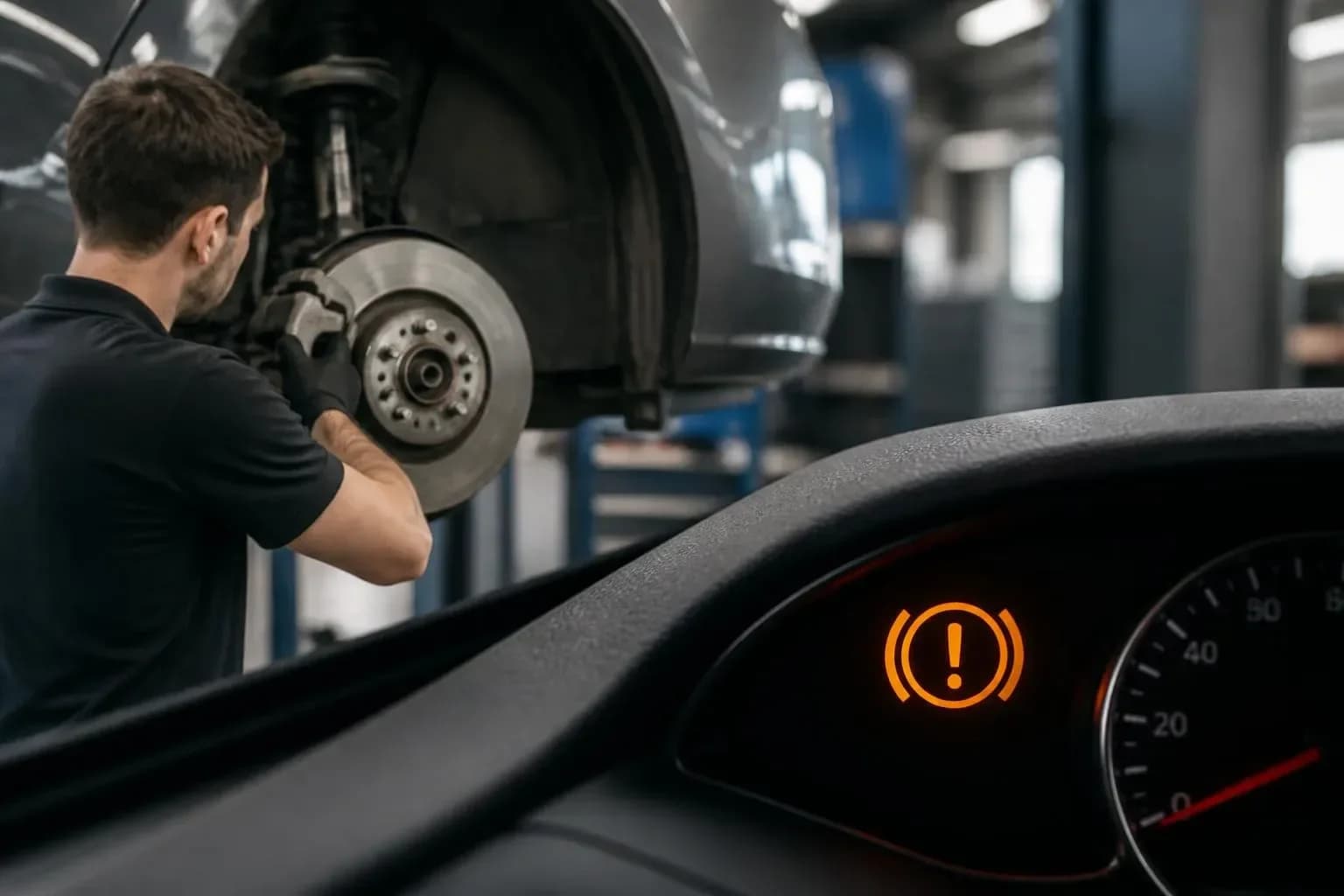
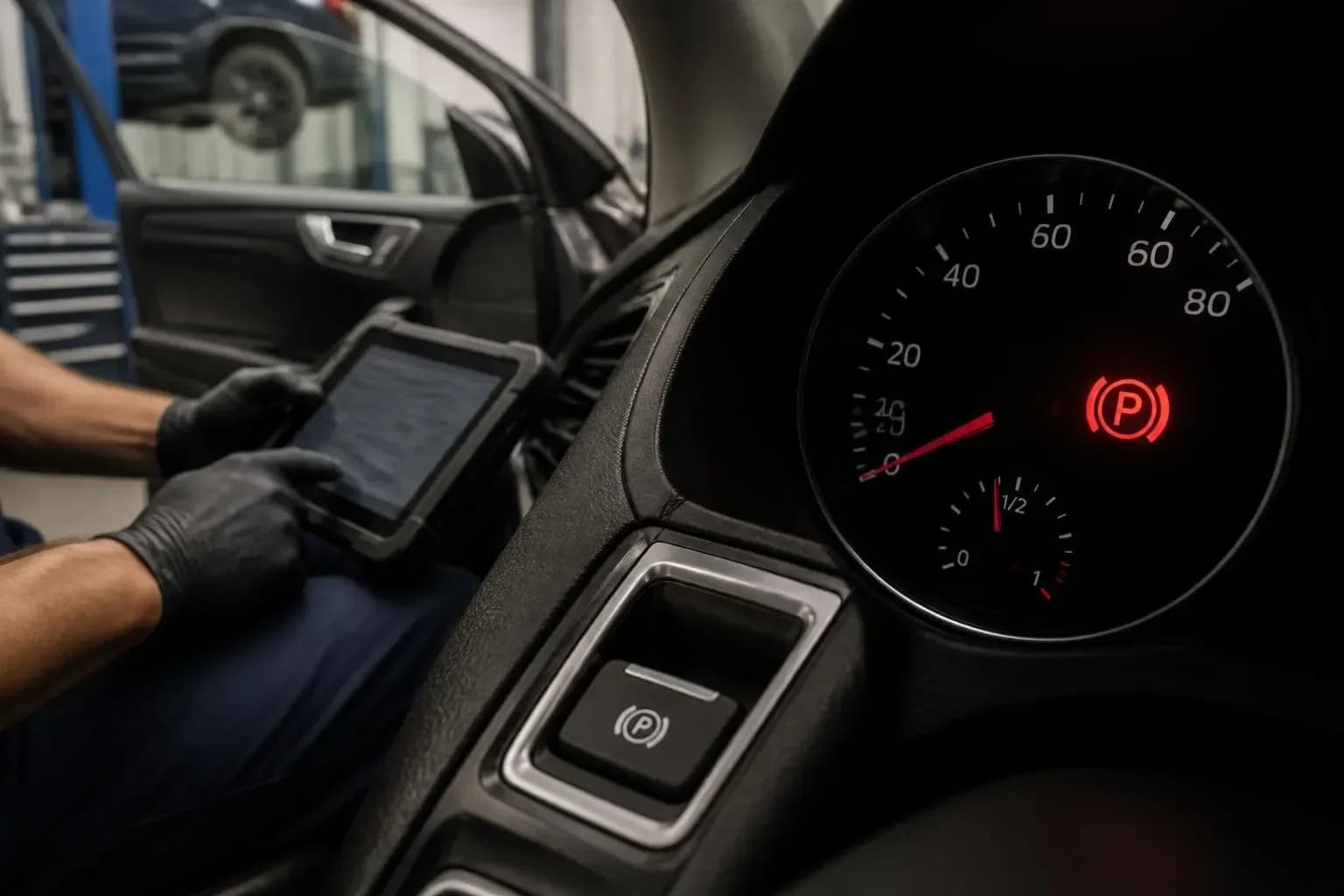
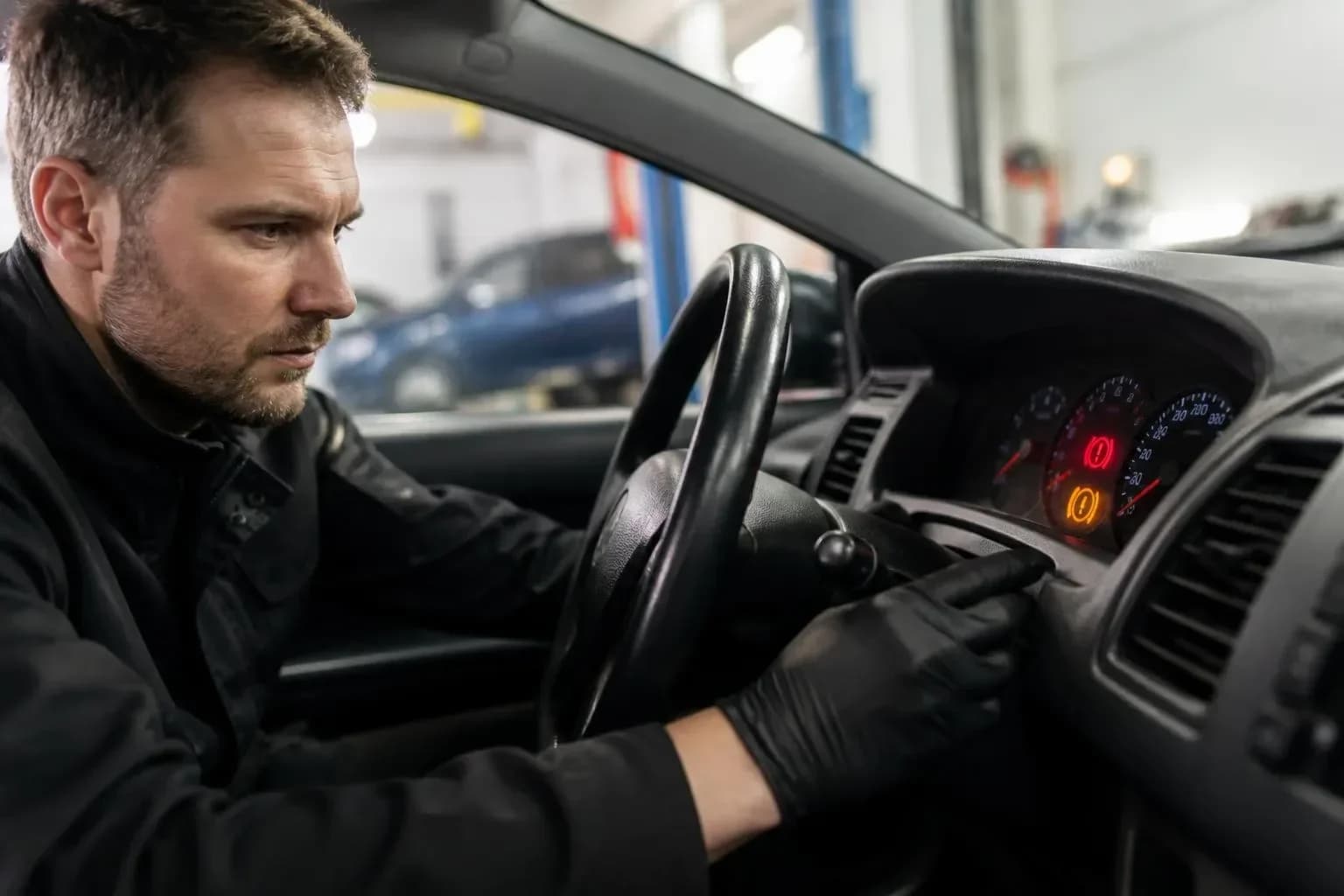
– the brake warning light or another warning appears on the dash
– the brake fluid level has fallen below the norm or a leak is visible
– the assist disappears after a few pedal presses
In such cases it’s safer to limit driving to getting to a workshop or use roadside assistance, rather than testing the car on a busy road.
What’s worth checking before a visit to the workshop
Before diagnostics you can carry out a few simple, safe checks. They won’t replace measurements, but can help narrow the cause faster.
1. Check the brake fluid level and inspect the wheel areas, hoses and the master cylinder for leaks.
2. Press the pedal a few times with the engine off, then start the car and check whether the assist noticeably improves.
3. Note whether the problem appears only after standing still, or also after a few minutes of driving.
4. Watch whether the engine runs smoothly and whether the engine warning light or another alert appears.
5. Do not pump the brake repeatedly while driving if you are unsure what is happening — treat this only as a short diagnostic check.
If you do not see a leak but the pedal still behaves unusually, a more thorough inspection of the brake hydraulics and vacuum system is needed.
What diagnostics in a workshop may look like
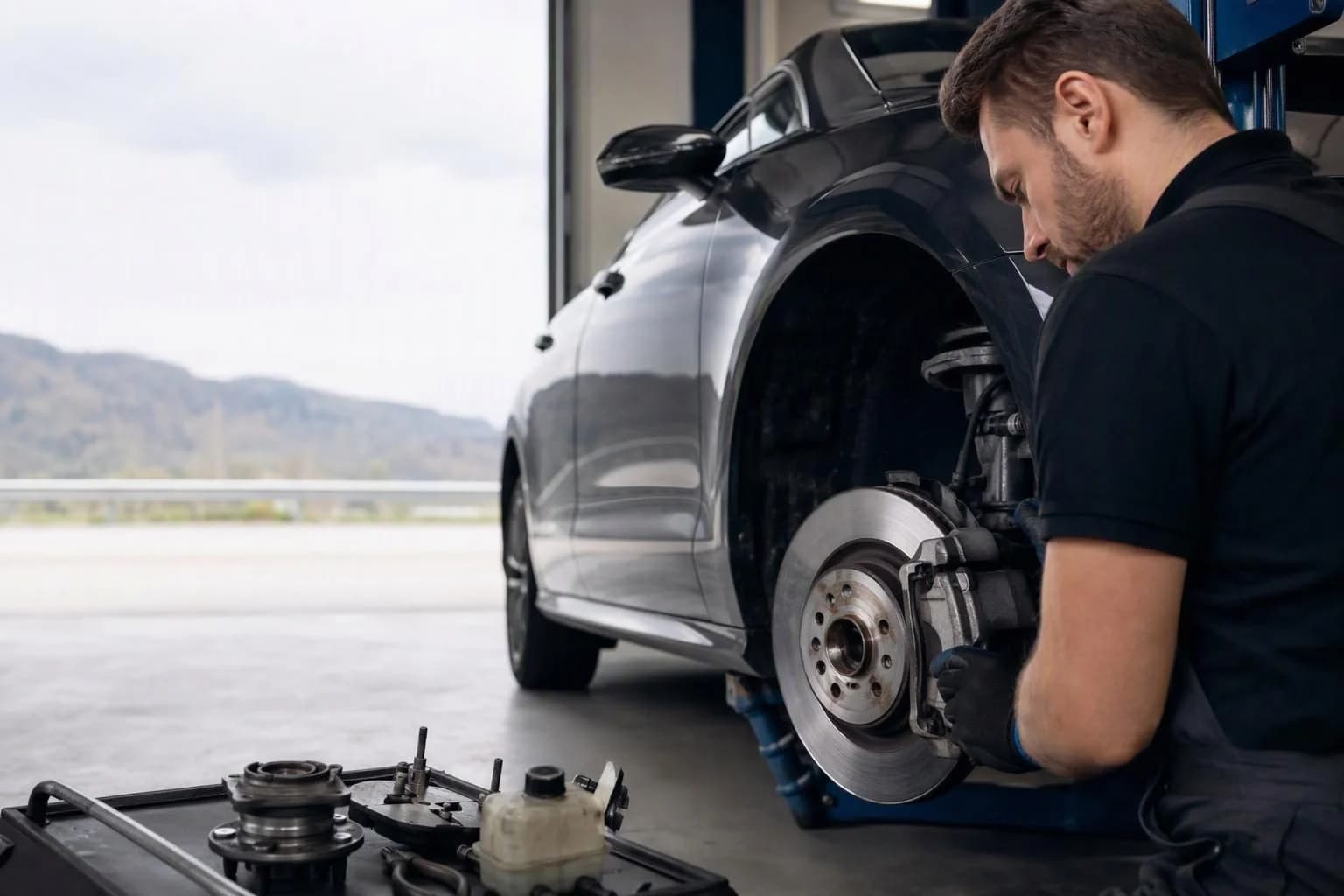
During diagnostics the mechanic usually starts by confirming the symptom on the vehicle, then checks vacuum tightness, the operation of the brake servo, the check valve and the vacuum source. If needed, the hydraulic system, fluid condition, hoses and fault codes from controllers are also inspected.
On some cars it’s also important to check whether the problem stems from electronics supervising the system or from another fault affecting the assist. That’s why a test drive alone is not enough if the symptom returns.
Why you should not delay this symptom
A soft pedal or weaker assist does not have to mean a serious fault right away, but it always concerns safety. The longer you drive with such a problem, the greater the risk that a small leak, fluid loss or damaged assist component will develop into a fault that significantly limits braking.
If you want to quickly check whether the issue relates to vacuum, the servo or the brake hydraulics, the best step is an inspection at a workshop.