Difficulty starting when the engine is warm is a common fault. Symptoms can be similar - the starter cranks but there is no ignition, the engine dies after a few seconds or idles roughly - but causes fall into several repeatable groups.
Before you go to the workshop it is worth collecting concrete observations. This will speed up diagnostics and reduce repair costs.
Typical symptoms and when they occur
Pay attention to when the problem occurs. Drivers most often report the following situations:
Symptoms can include: the engine cranks but will not start only when warm; it starts after cooling for a long time but not after a short stop; it dies after a few seconds when started hot; idling is unstable after warming up; the engine warning light comes on after a start attempt.
- Problem only after a short stop (so-called hot soak) suggests loss of fuel pressure or a sensor effect that reacts to temperature.
- Dying after a few seconds often indicates loss of signal from the crank or cam position sensor, or an ignition fault that appears with heat.
- An illuminated engine warning light means faults are stored in the control unit - this is an important clue for the workshop.
Main cause groups - short and practical
A few systems appear most often in diagnostics of such faults. Do not attempt repairs on high-voltage parts or the high-voltage system in hybrids or EVs yourself.
The groups described below help focus observations and communication with the service.
- Crankshaft or camshaft position sensors - they can lose signal when hot, causing no ignition or the engine to die after a few seconds.
- Ignition system - ignition coils and leads can fail under temperature, causing no spark only with a warm engine.
- Fuel system - loss of fuel pressure after engine shutdown (leaking check valve in the pump, leaking injectors) causes hard starting after a short stop.
- EVAP system - a purge valve stuck open can flood the intake and cause rough running or difficult starts after refuelling.
- Wiring and grounds - loose connectors or broken wires show up after heating and need signal checks when hot.
- Engine control unit (ECU) - less common but possible are adaptation errors or module damage; diagnostic logs are useful.
What you can check before coming to the workshop
Do not perform repair attempts that require working on high-voltage installations, the fuel system or removing parts. Instead collect the following information and give it to the workshop.
- Does the problem occur only after a short stop, or always after the engine is warm? Note the length of the stop.
- Did the symptom appear after refuelling? If so note the fuel type and the place of refuelling - it may point to EVAP issues or contaminated fuel.
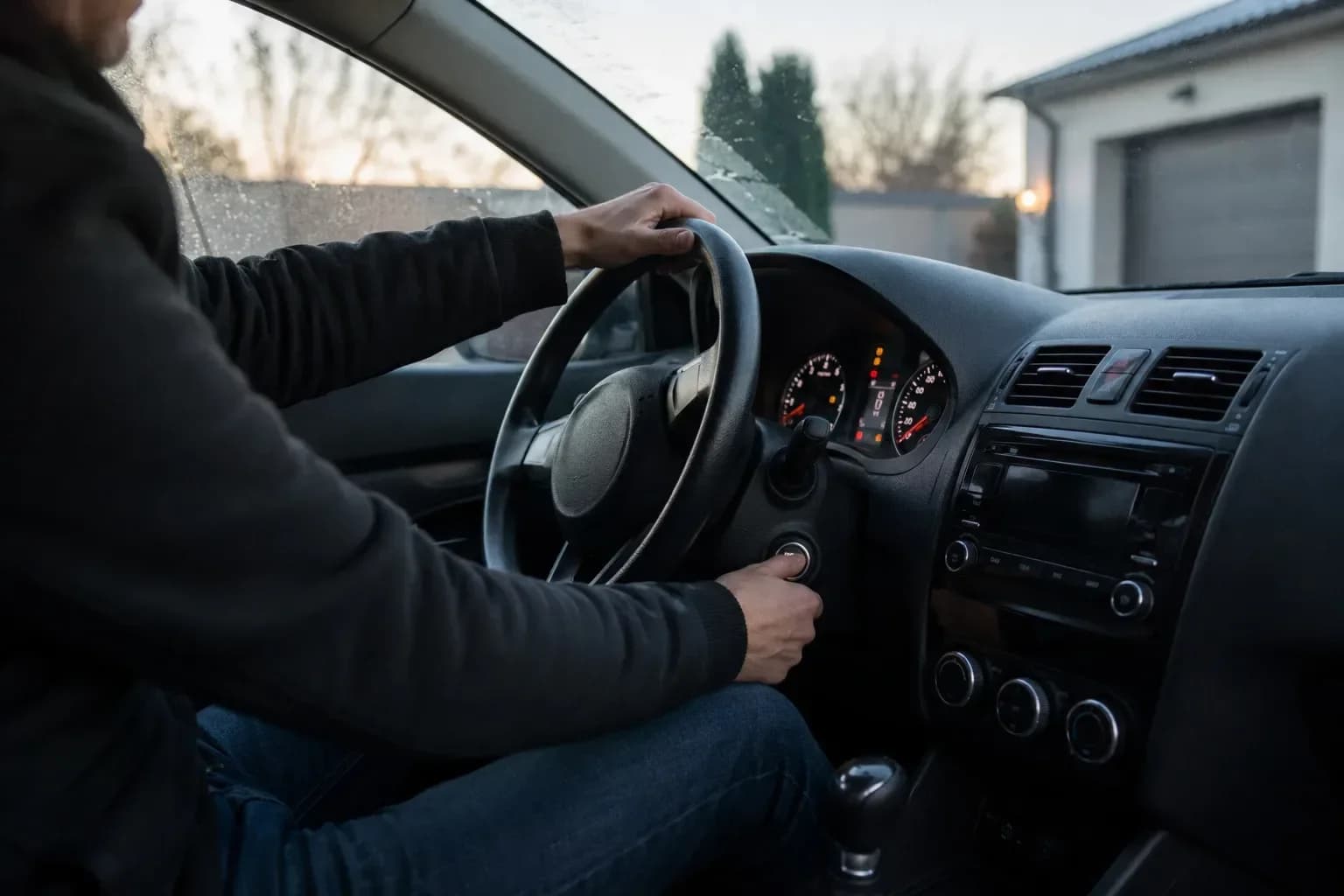
- When you turn the key do you hear the characteristic sound of the fuel pump (a short buzz) before starting? This helps assess whether the pump is supplying fuel.
- Does cycling the ignition (switching to ON twice without starting) change the starting behaviour? This is a simple observation worth noting.
- After a start attempt do you smell fuel or see leaks? If so do not continue driving and call roadside assistance.
- After the fault appears does the engine warning light come on? If so note when and in what vehicle condition the lamp lights.
Diagnostic process at the workshop - what to expect
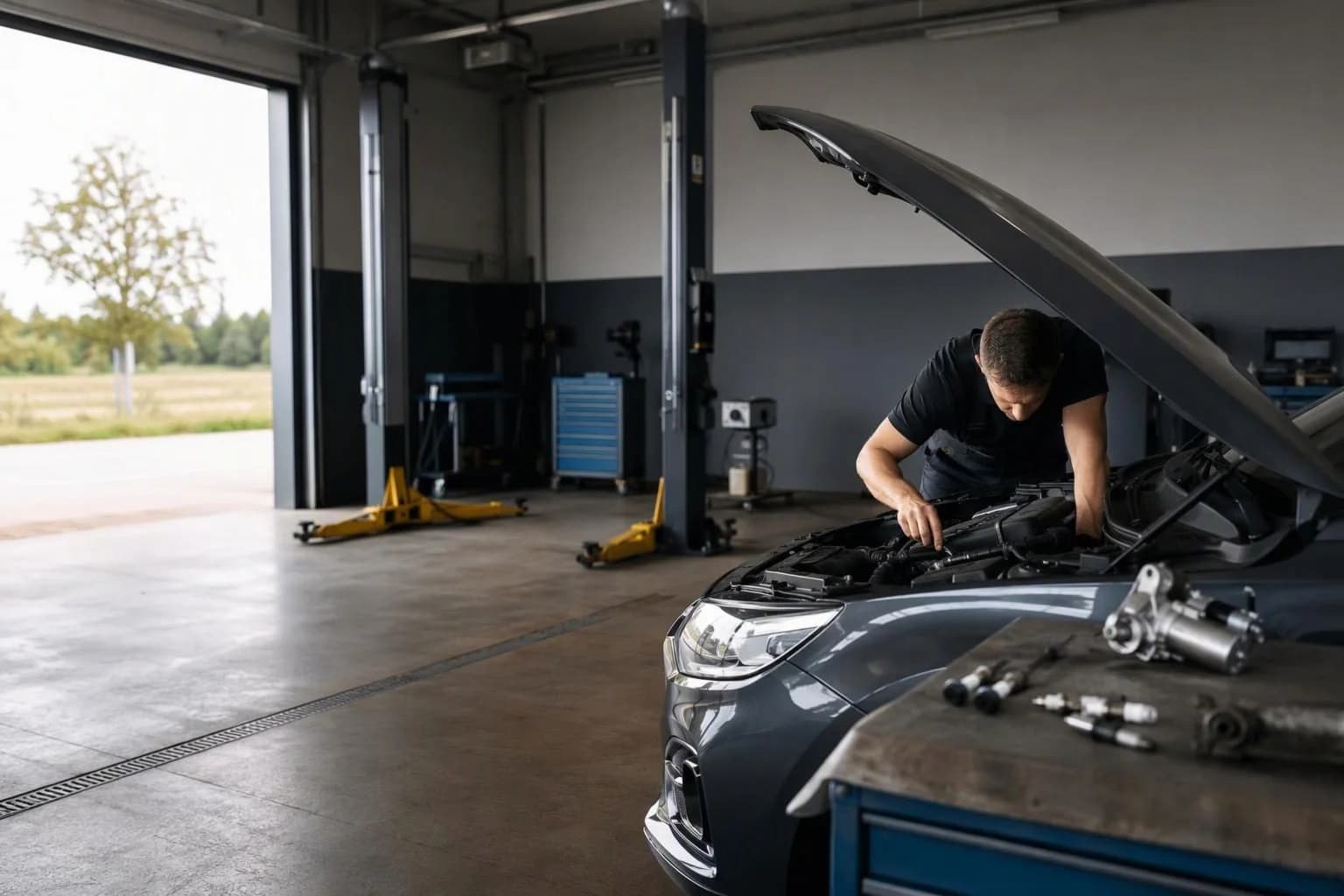
Professional diagnostics should proceed step by step, from reading fault codes to measurements when hot. Below is the standard sequence a workshop will usually perform.
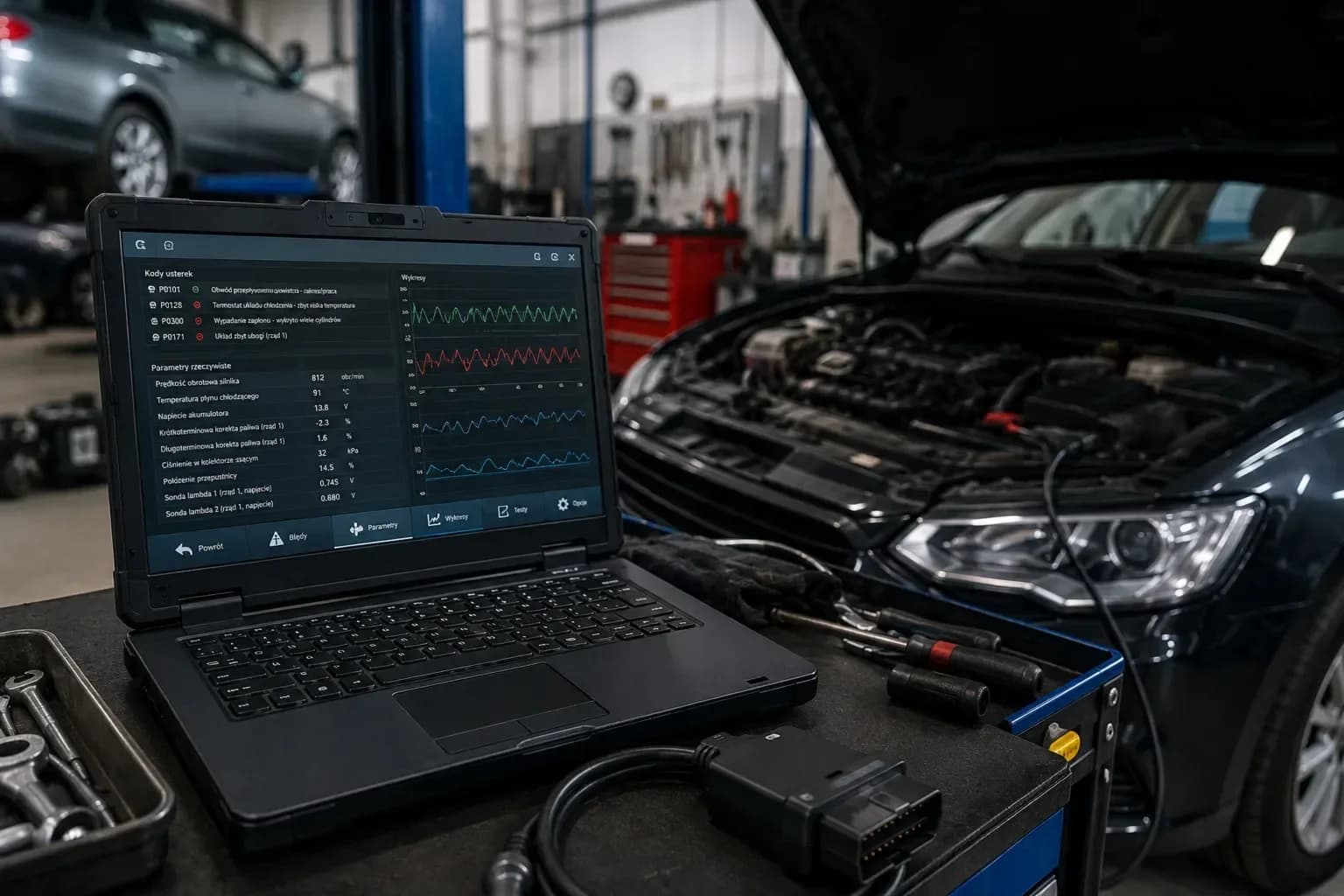
- Read and record OBD-II fault codes - this is the basic step that often points to a specific system.
- Analyse live data during a start attempt - check crank/cam sensor signals, RPM, injection trims and fuel pressure in real time.
- Measure fuel pressure - test during start and measure pressure drop after engine shutdown to detect leaks or a faulty check valve in the pump.
- Check ignition circuits and coils - resistance measurements and functional tests, also under elevated temperature or after warming up.
- Test crank and cam sensor signals - an oscilloscope can show if the signal fades as temperature rises.
- Check EVAP operation and the purge valve - functional test and check for related fault codes in the emissions control system.
- Inspect ground connections and wiring looms - especially where wires pass through the engine bay and heat up during operation.
- If needed, the service records logs during a test drive and runs tests after warming up to reproduce the symptom.
When to limit or stop driving
Safety is the priority. Do not risk driving if the situation endangers you or other road users. Here are concrete guidelines.
- Stop driving and call for help if the car stalls while driving and cannot be restarted safely.
- Stop and do not continue if you smell a strong fuel odour, see a fuel leak or smoke - this indicates an immediate fire risk.
- Limit driving to a minimum if the engine runs unevenly after starting but remains usable and there is no fuel smell or illuminated oil pressure or temperature warnings. In that case drive calmly to the workshop.
- Immediately stop driving if the oil pressure or engine temperature warning lights come on - continuing risks engine damage.
- If you are unsure whether the situation is safe, it is better to arrange towing than risk a serious fault.