How does ABS work? Technology that has saved drivers' lives for over 40 years
It's an autumn evening. The tarmac is wet after rain and visibility is limited. A deer runs onto the road. You instinctively stamp the brake pedal to the floor.
eCarService · Driver Academy
Learn what a warning light or worrying symptom may mean, what you can check safely and when you should stop driving.
Knowledge base
77
guides to help you prepare for a conversation with a workshop.
Understand first
Learn the possible cause of a symptom
Then decide
Know what to ask during your visit
Choose a location
Book a workshop at the location you prefer
Latest guides
Learn about the possible causes first. Choose a location once you are ready to book a visit.
It's an autumn evening. The tarmac is wet after rain and visibility is limited. A deer runs onto the road. You instinctively stamp the brake pedal to the floor.
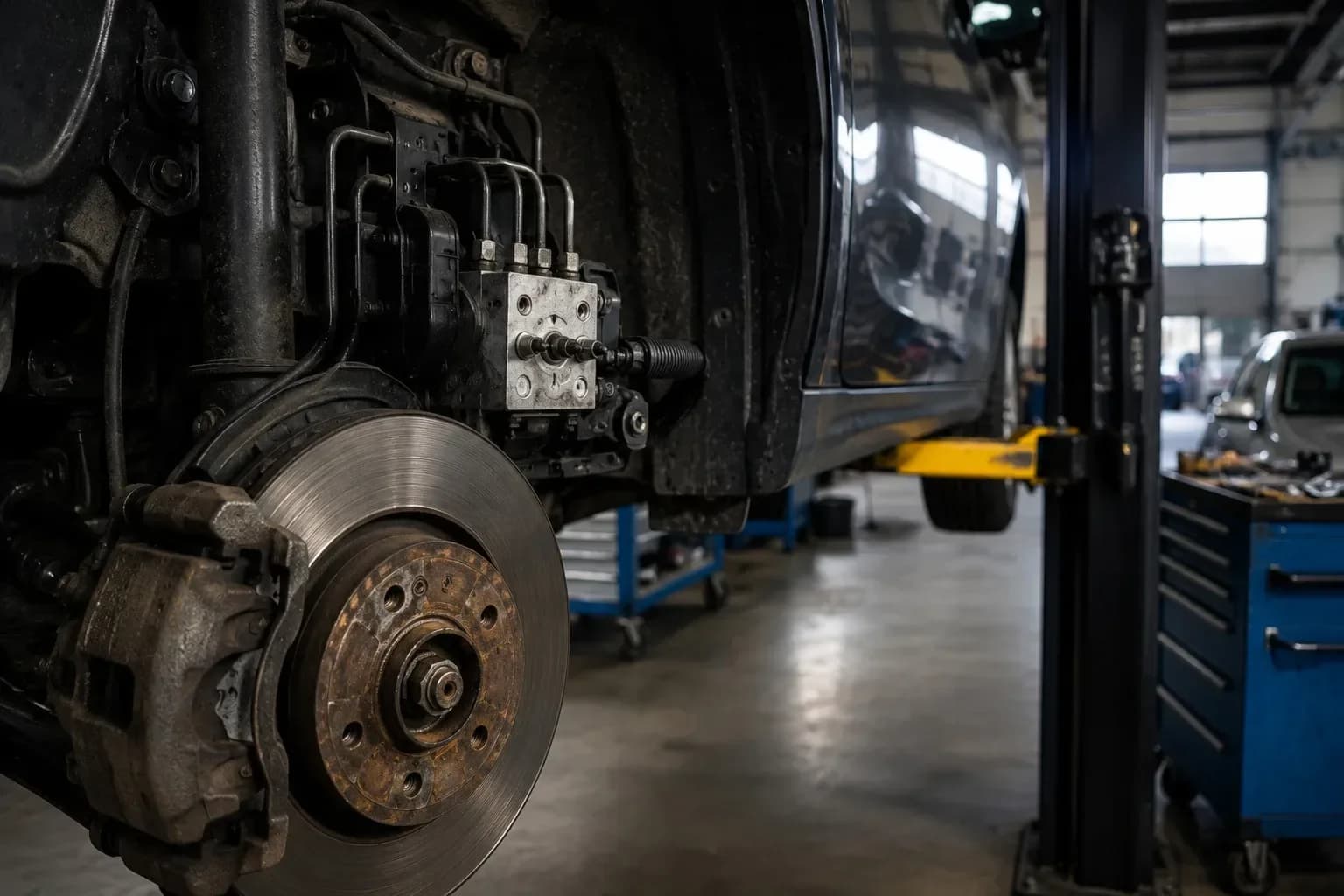
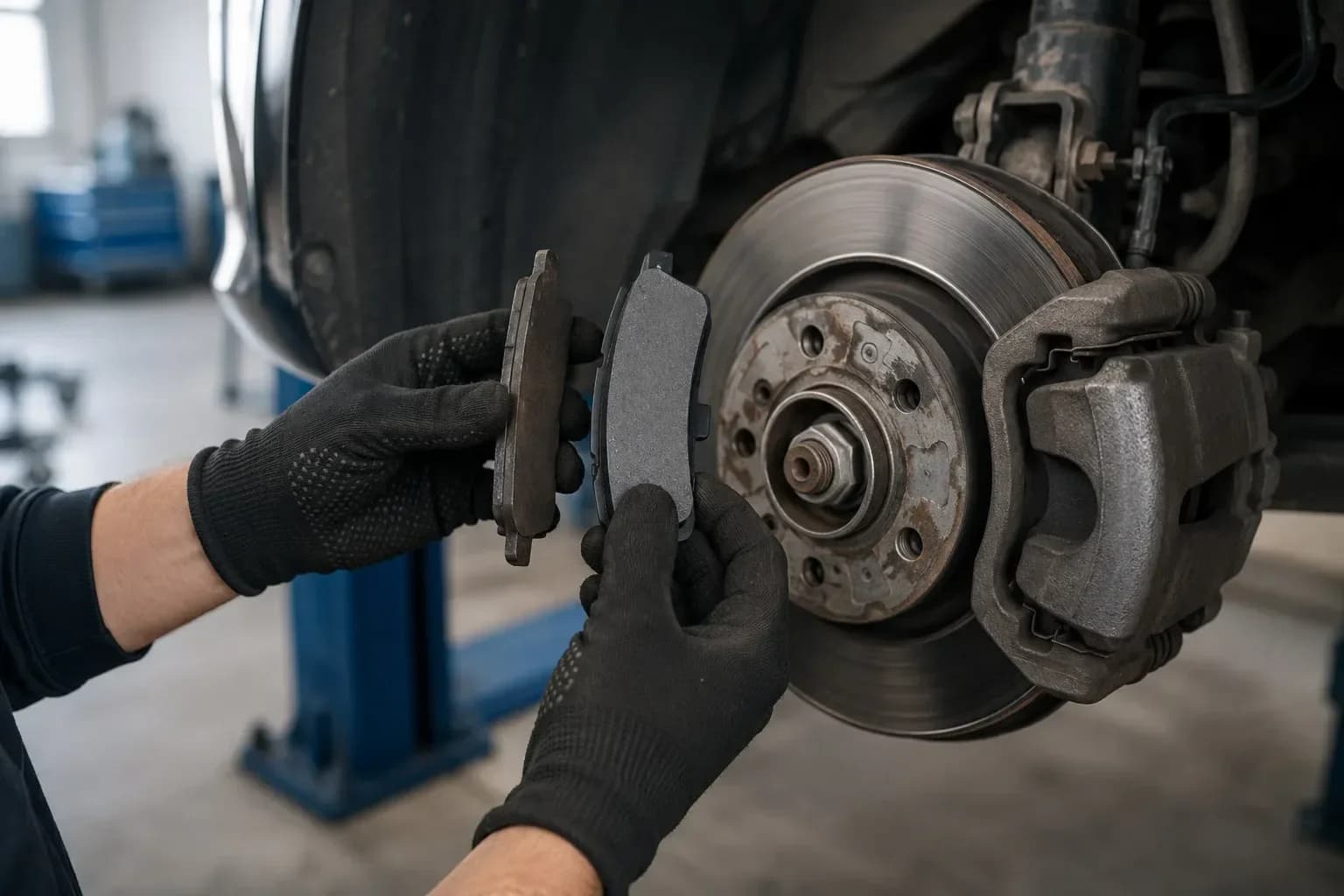
Most drivers change oil on schedule and remember seasonal tyre changes and inspections. Unfortunately, brake pads—directly affecting safety—are checked far less often.
You approach a junction. You press the brake pedal gently and suddenly hear a characteristic, high-pitched squeal. For a moment you wonder whether it's your car or the vehicle next to you.
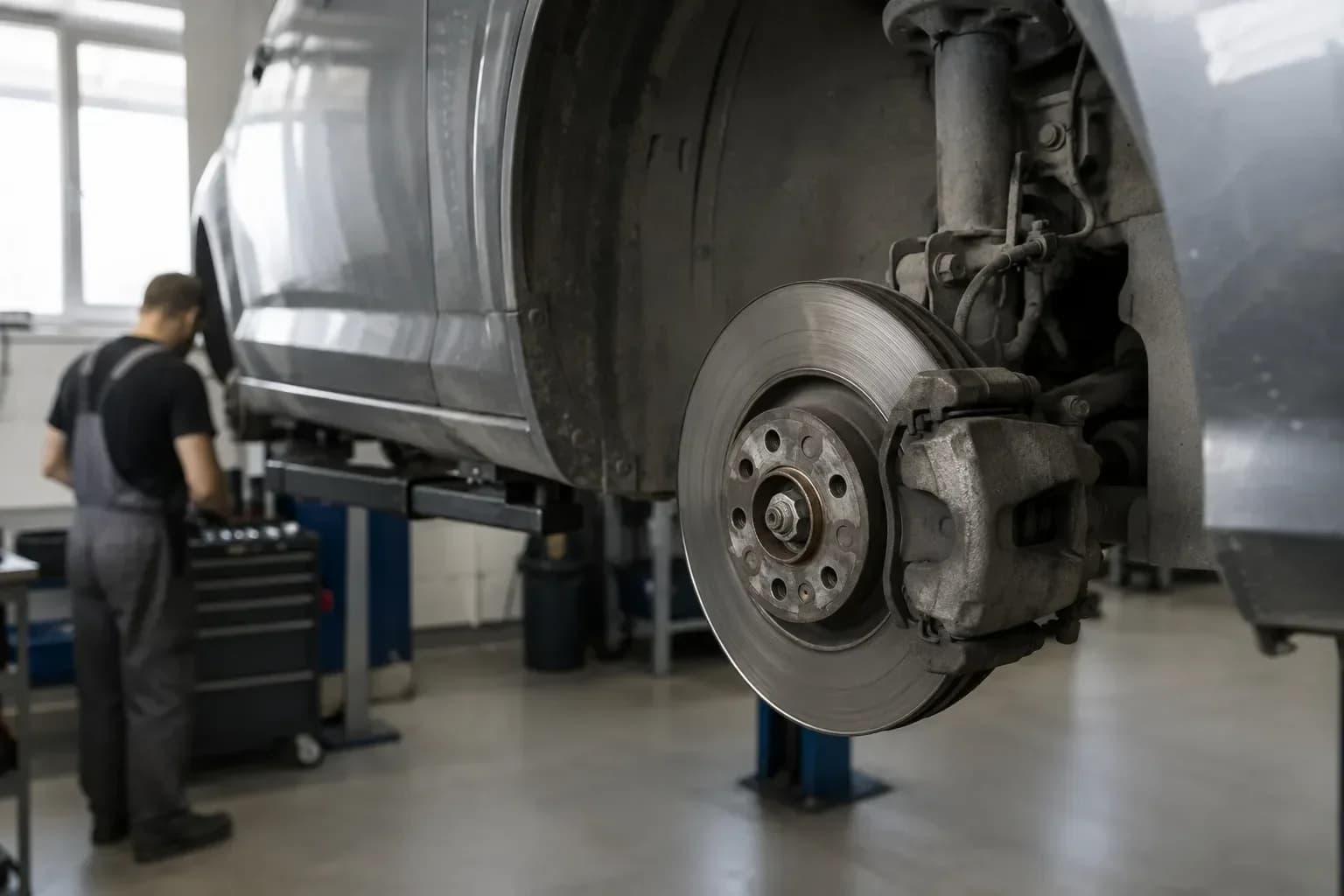
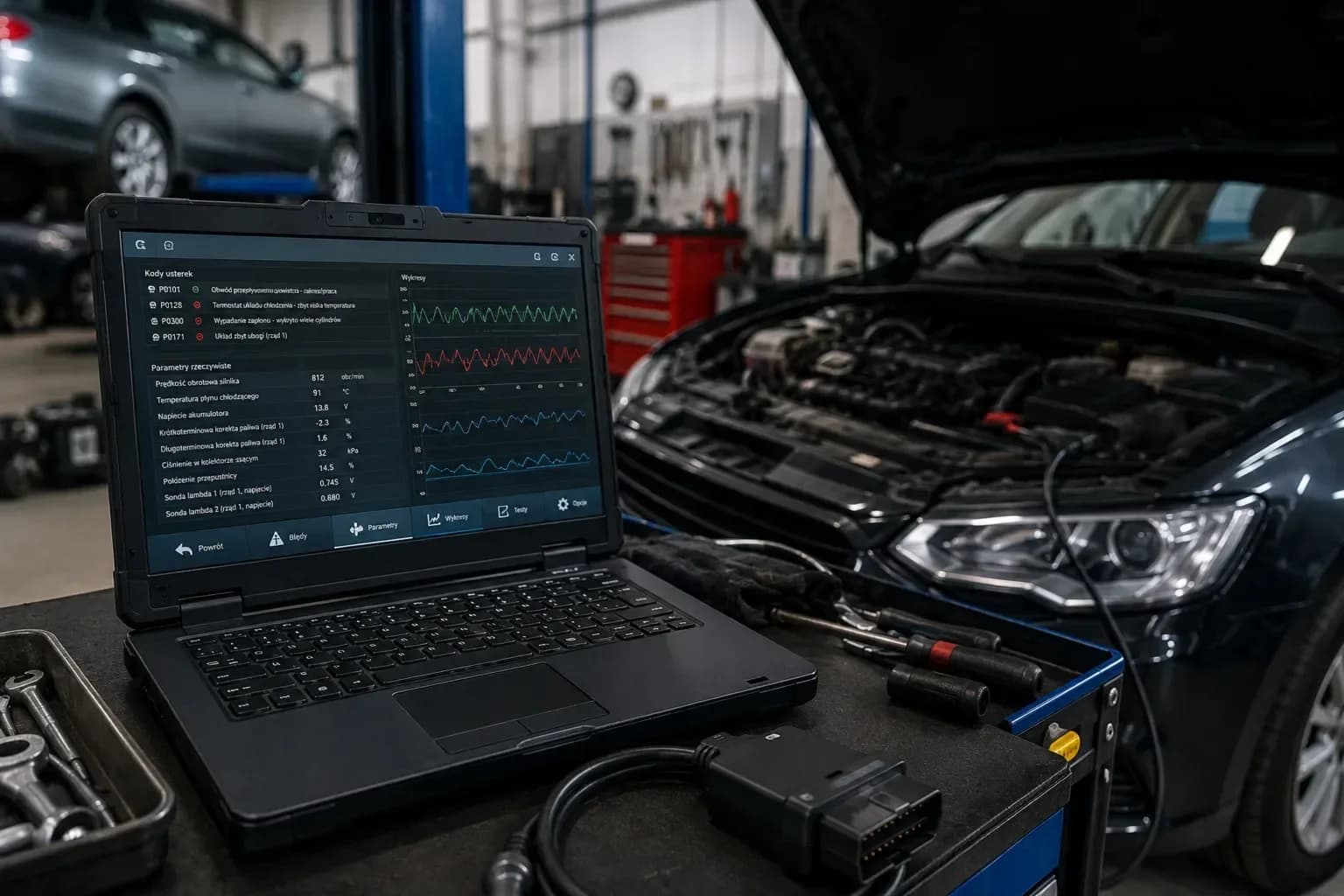
Many drivers think computer diagnostics is connecting a tester, reading a fault code and clearing it. In practice, that's only the beginning.
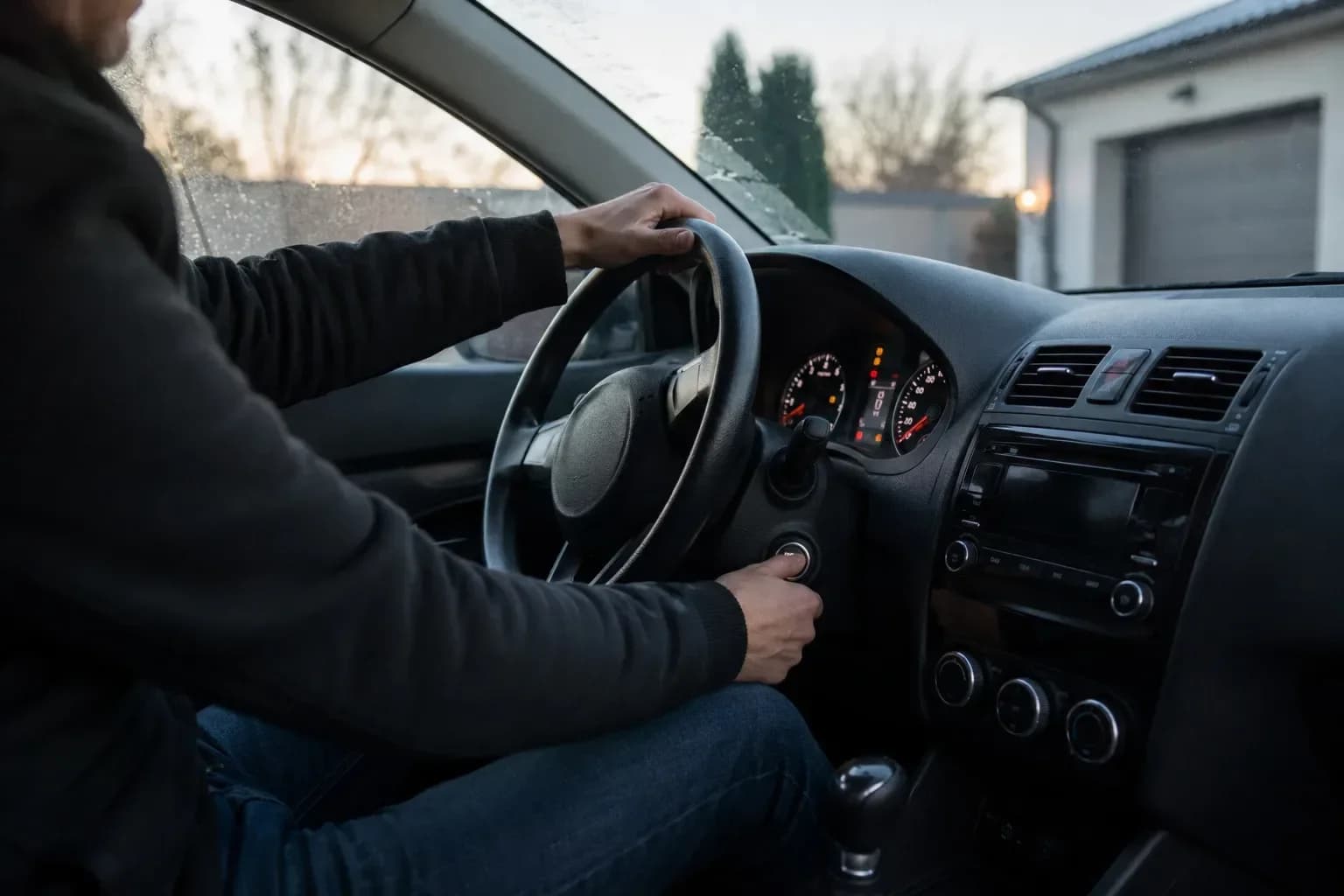
It's Monday. A few minutes past six in the morning. You're about to leave for work, take the children to school or make an important meeting. You get into the car, turn the key or press the START button.
Need help?
Choose a workshop and describe the symptoms in the booking form.