If the Start‑Stop system does not work, it does not automatically mean a faulty battery. In many cars the system deliberately disables the function when the 12 V battery is undercharged, too cold, heavily loaded by consumers or the vehicle is not in a ready state.
The problem becomes suspicious when the symptom persists after a longer drive, the car starts more weakly or messages appear about energy, charging or electronic faults.
When is lack of Start‑Stop a normal car behaviour?
Lack of Start‑Stop can be normal when the control unit decides that switching off the engine could make restarting difficult or reduce driving comfort. The system does not operate “always”, only after many conditions are met that depend on temperature, battery condition, air conditioning operation and the readiness of vehicle systems.
If, apart from Start‑Stop not operating, the car starts normally, no warning lights are on and the problem appears mainly after short trips or on cold days, it usually does not require immediate battery replacement. It is worth observing whether the function returns after a longer, steady drive.
- After short urban trips the battery may not have time to recover the energy used for starting and electrical consumers.
- In winter or after a cold night the battery works worse and the car more often keeps the engine running.
- With intensive use of heated windows, heated seats, blower, lights and air conditioning the system may limit Start‑Stop.
- After parking with the radio, chargers or other consumers on, the energy level may be too low.
- In some situations the system waits for the engine, cabin or battery to reach a suitable temperature.
Is an AGM or EFB battery to blame?
The battery is one of the most common causes of a non‑operating Start‑Stop, but the symptom alone does not prove it needs replacing. Cars with Start‑Stop usually require batteries made in EFB or AGM technology because they must withstand more frequent starts and greater electrical load than conventional batteries.
A worn or undercharged battery may still have enough voltage to start the engine but fail to meet the power management system requirements under load. Then Start‑Stop is blocked even though the car appears to work correctly.
Therefore a single voltage measurement after parking can be insufficient; assessing the battery condition under load and knowing how the car was used are important.
- Suspicion of the battery increases when the starter motor cranks more slowly than usual after an overnight stop.
- Pay attention to messages such as low battery charge or restricted electrical consumers.
- If the problem worsens after several days of standing, undercharging, battery wear or a parasitic drain while parked is possible.
- If the battery was recently replaced, its correct type, capacity, cold cranking current and possible registration in the vehicle system matter.
When to suspect charging, the alternator or connections?
Check the charging system when the battery regularly loses energy despite normal driving or the problem returns quickly after a recharge. The cause need not be the alternator itself; wiring, terminals, earths, charging control and connection condition also matter.
In modern cars charging is often controlled depending on load, temperature and fuel‑saving strategy, so a single measurement without context can lead to wrong conclusions.
Diagnostics should include voltage behaviour in different conditions, reaction to electrical consumers and reading fault codes from control units if the car reports energy problems.
A prompt check is warranted if the battery warning lamp is on, messages about charging appear, consumers dim or flicker, starting is difficult after driving or repeated discharges occur after short stops. In such cases continuing to drive may end with an inability to restart the car, so it is better not to delay inspection.
What can a driver check without tools?
Without tools you can check the circumstances of the problem and simple symptoms, but you cannot reliably assess battery condition or charging. The key is to separate normal system protection from a repeatable fault.
1. Recall your recent trips: several short journeys with frequent starts heavily strain the battery.
2. Check whether Start‑Stop returns after a longer drive, when the car has time to recharge the battery and reach operating temperature.
3. Notice whether the starter motor runs quickly and evenly after an overnight stop.
4. Try temporarily limiting unnecessary electrical consumers, such as heated windows and seats, if driving conditions allow.
5. Look for obvious corrosion, looseness or signs of moisture on the battery terminals, but do not disconnect connections if you are unsure how to do it safely.
6. Note dashboard messages and the situations in which Start‑Stop stops working.
If the function still does not activate after a longer drive and it formerly worked regularly, move from observation to diagnostics. Guessing and replacing parts “on a hunch” may not solve the problem, especially when the cause is charging, a parasitic draw while parked or an energy management fault.
Why replacing the battery blindly may not help?
Replacing the battery without proper diagnosis may not help if the problem lies outside the battery itself. A new battery will quickly lose usable performance if the car has incorrect charging, a poor earth connection, excessive current draw after sleep or an incorrectly chosen battery type.
In Start‑Stop cars it is especially important to choose a technology that matches the vehicle's requirements. If the car needs AGM or EFB, using the wrong battery can cause energy problems and shorten its life.
On some models battery replacement also requires adaptation or registration so the control unit manages charging correctly.
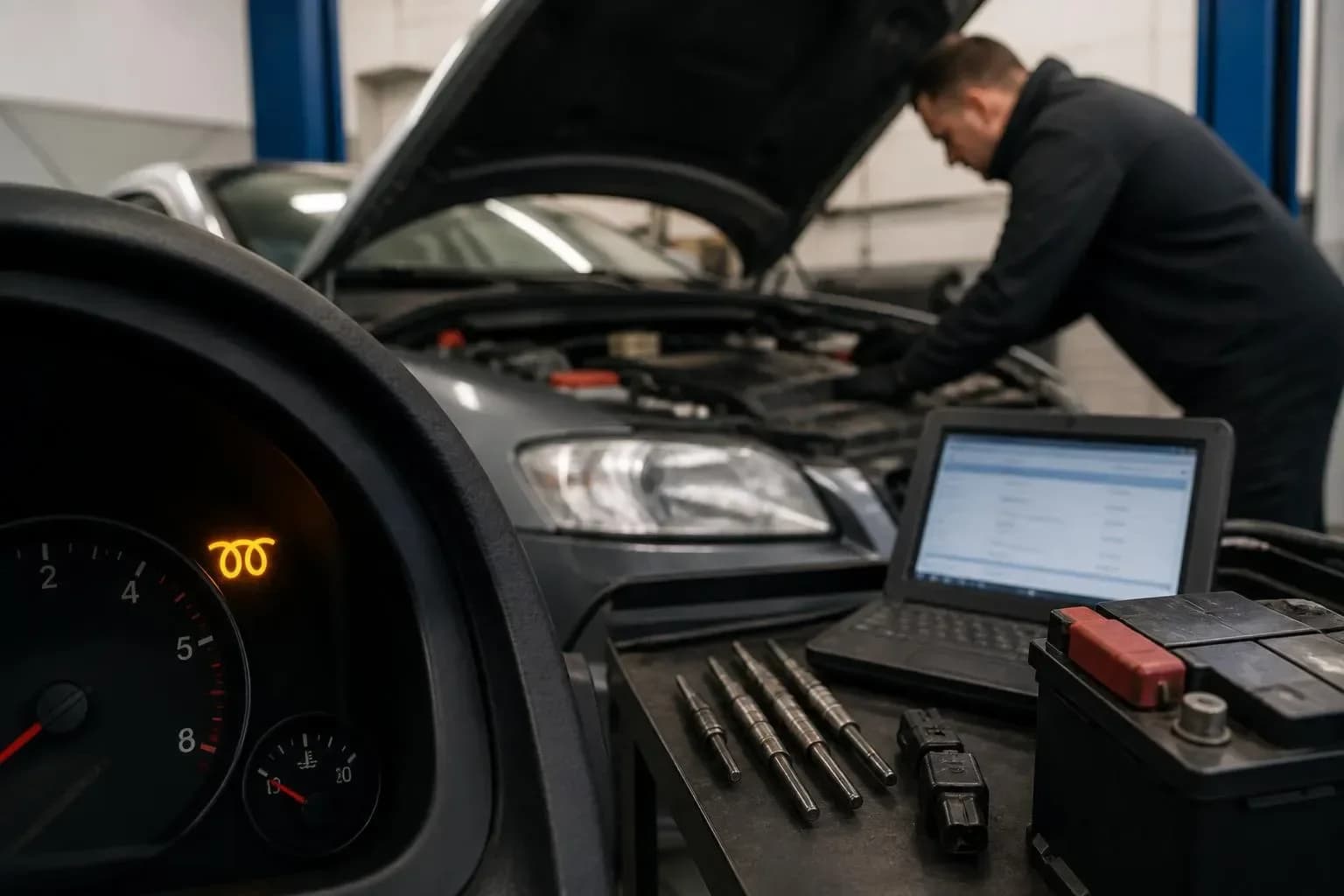
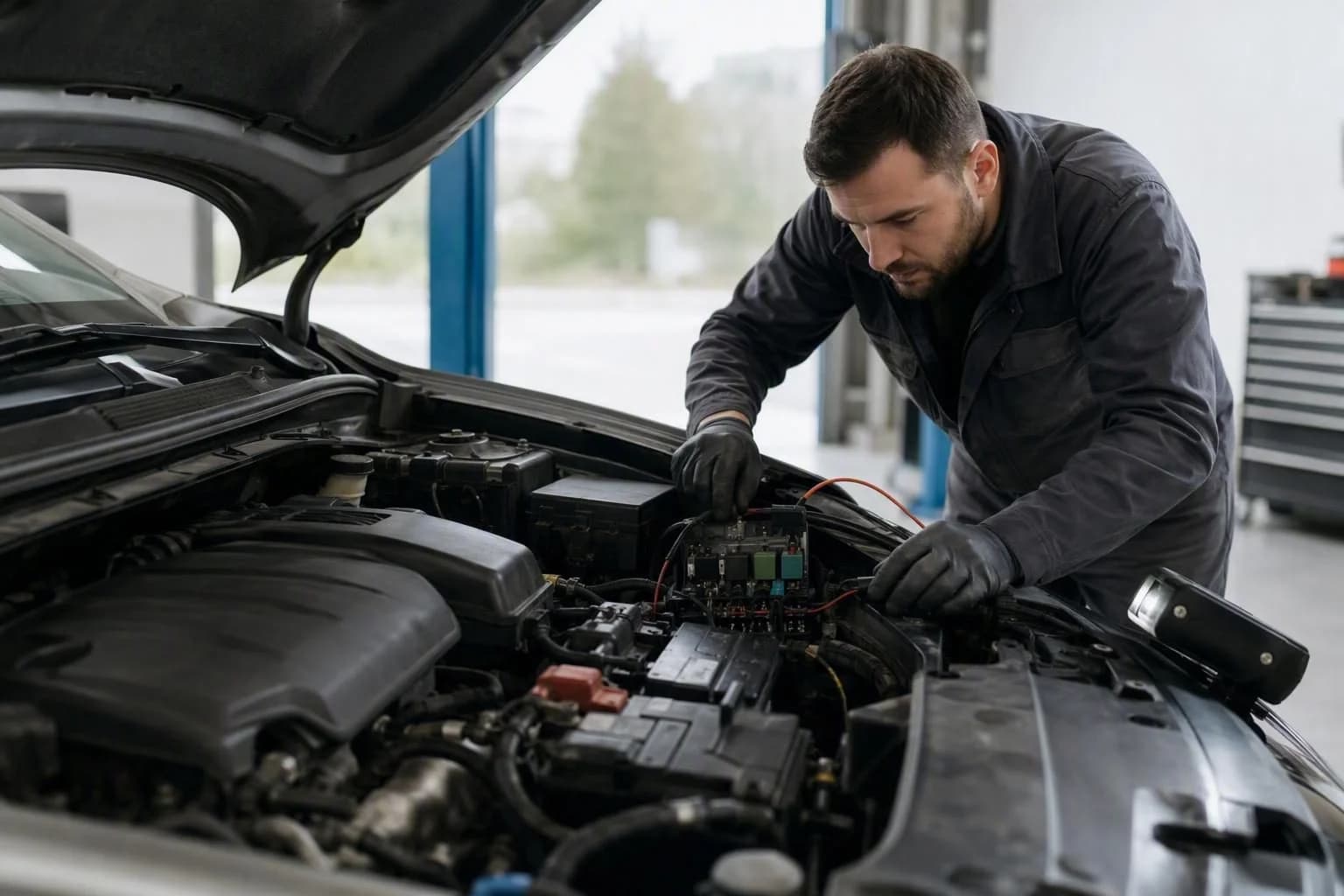
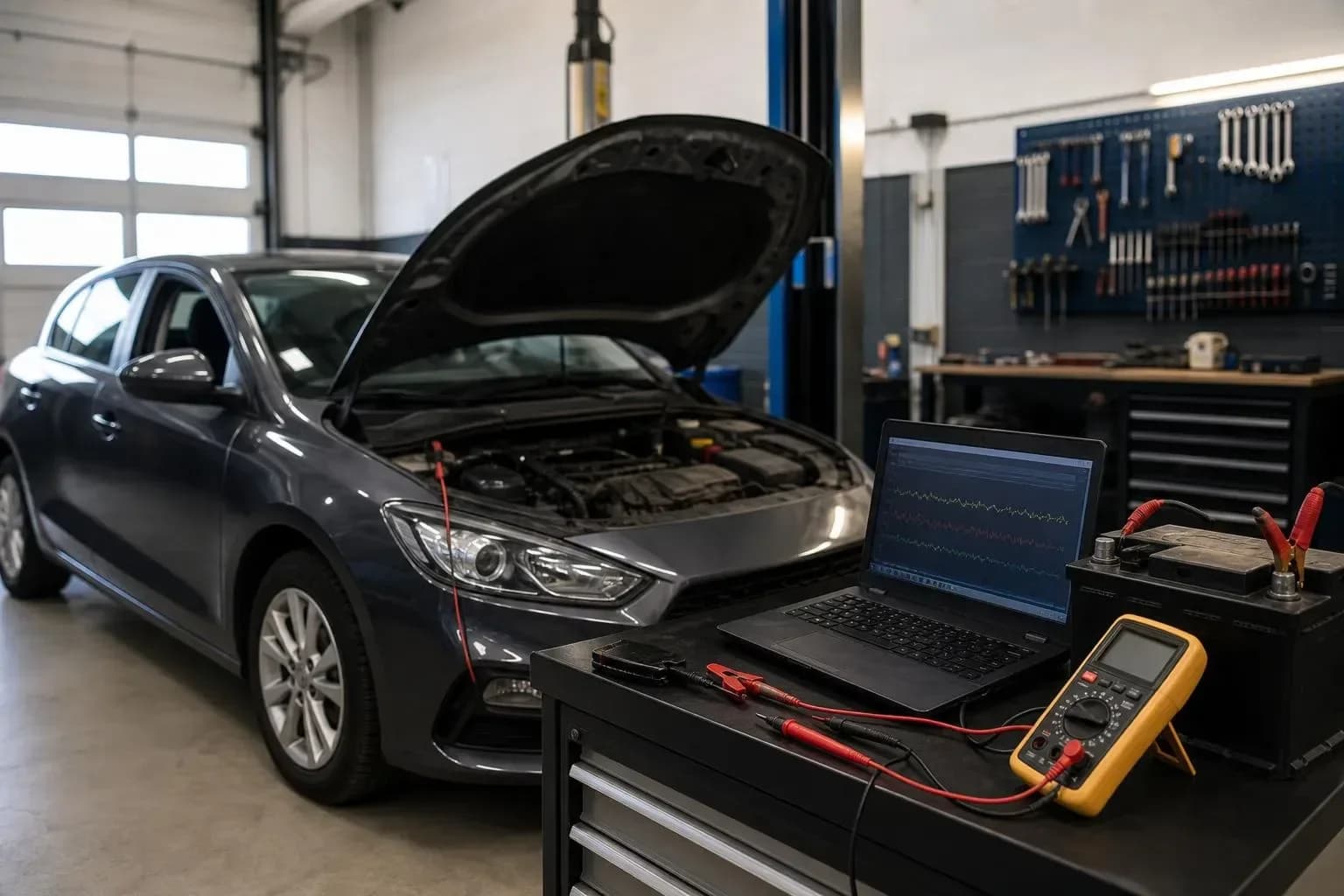
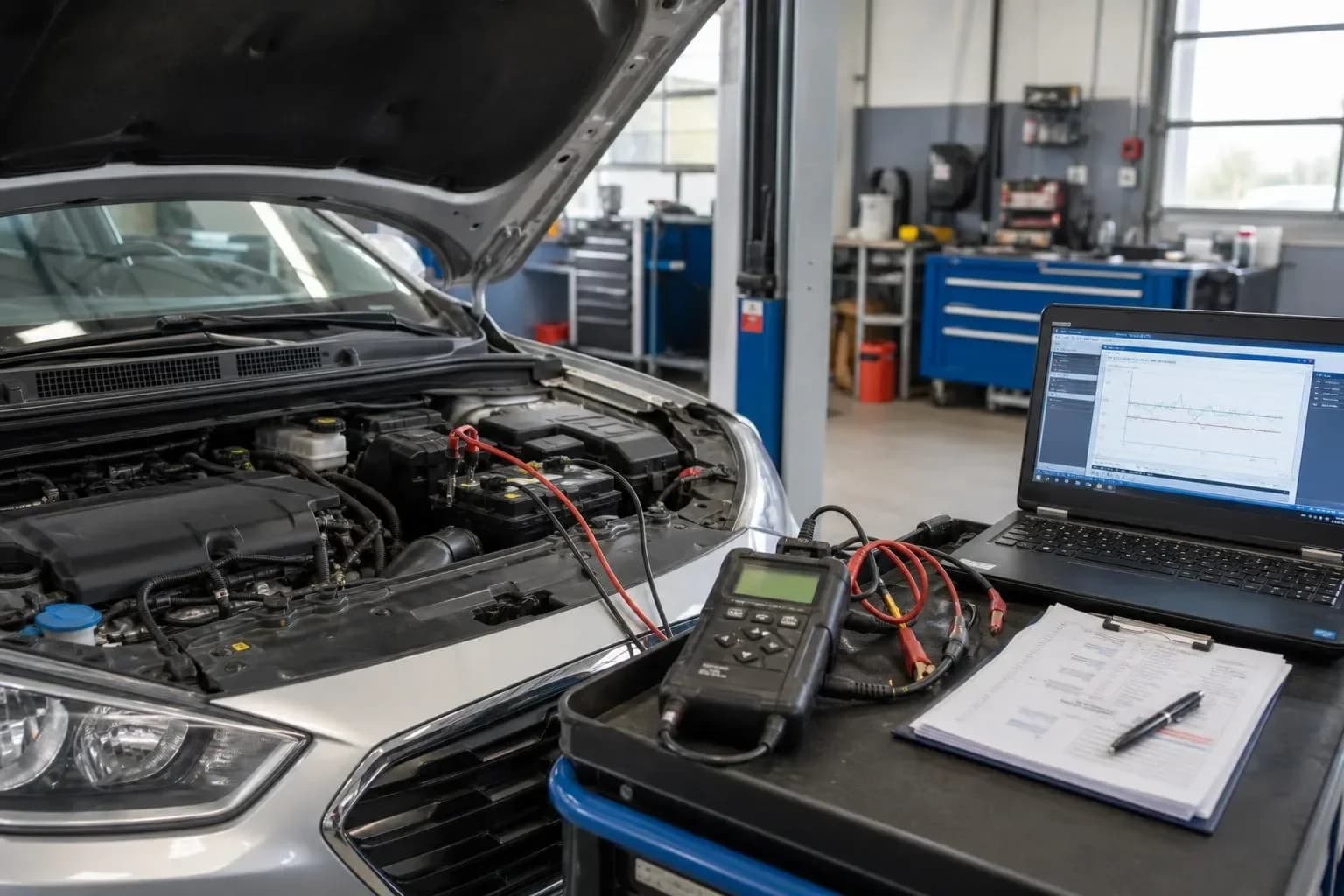
Reasonable diagnostics usually include a load test of the battery, charging check, assessment of terminals and earths, fault code reading and, if necessary, measurement of current draw after the vehicle is asleep. Only such a set of information lets you distinguish a worn battery from one simply undercharged by use or an electrical fault.
Can you drive when Start‑Stop is not working?
You can usually drive if the only symptom is the Start‑Stop not switching off the engine and the car starts normally with no warnings. The system often protects the battery and driving comfort, so an inactive function alone does not automatically mean a dangerous failure.
Be cautious when the car starts more weakly after stops, messages about the battery or charging appear, electrical warning lights show, the clock resets, there are central locking problems or lights dim.
Then the risk is not the lack of Start‑Stop but the possibility of battery discharge or charging system failure at the least convenient moment.
A practical next step is simple: if the symptom occurred after short trips or frost, observe the car after a longer drive. If Start‑Stop does not return, starting weakens or messages appear, it's better to check the battery, charging and current draw rather than immediately buying a new battery.
Have the problem checked at eCarService
If the symptom repeats or worsens, book an inspection at a service. Before the visit note when the problem occurs, which warning lights are on and whether the car's behaviour changes after warming up.