eCarService
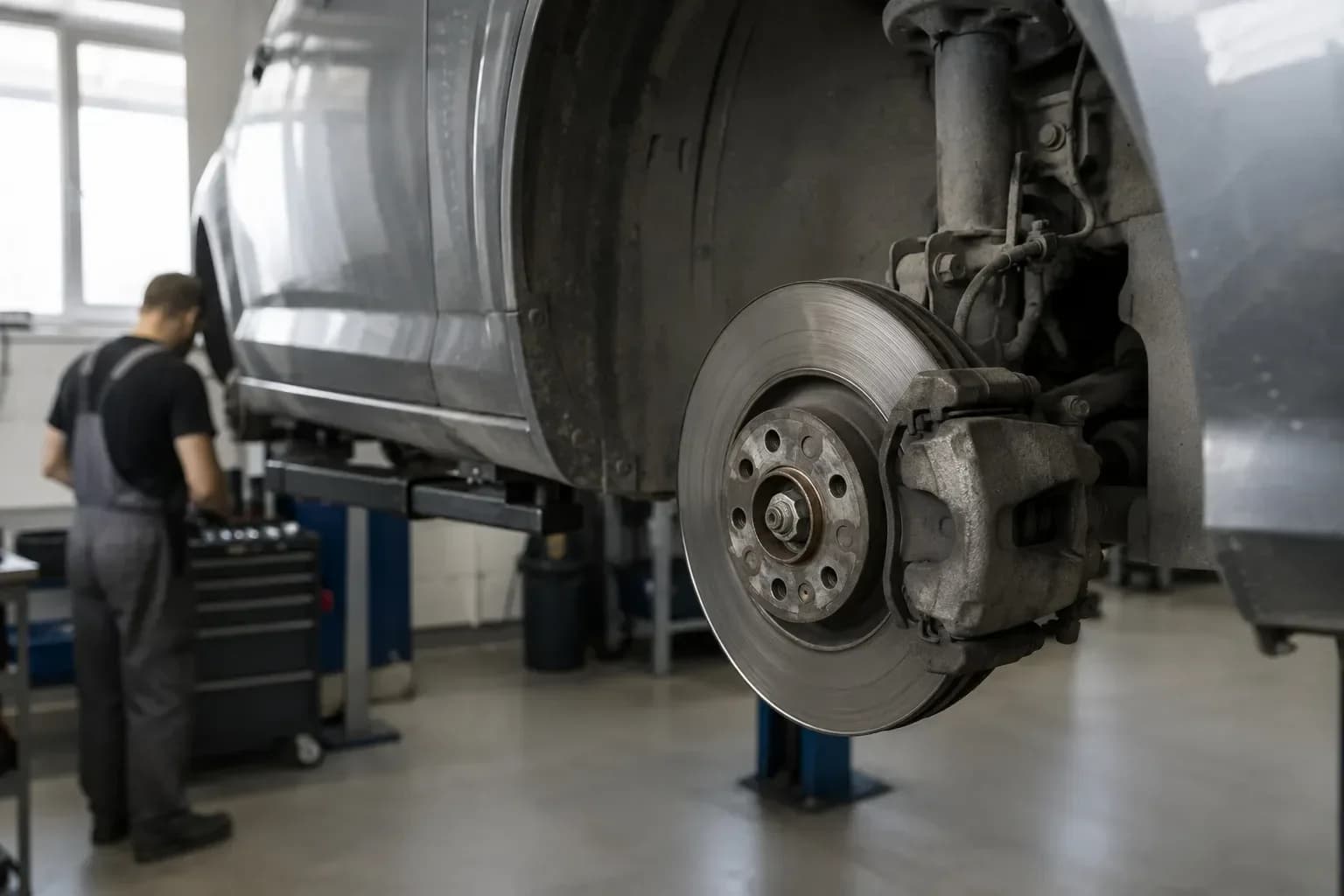
Mechanic diagnosing a car in the workshop

eCarService · Driver Academy

Car care guides for drivers

Learn what a warning light or worrying symptom may mean, what you can check safely and when you should stop driving.

Symptoms and possible causes Step-by-step diagnostics Practical driver knowledge

Knowledge base

89

guides to help you prepare for a conversation with a workshop.

Understand first

Learn the possible cause of a symptom

Then decide

Know what to ask during your visit

Choose a location

Book a workshop at the location you prefer

Latest guides

Knowledge that helps you understand your car

Learn about the possible causes first. Choose a location once you are ready to book a visit.

Engine oil consumption7 min

Engine oil loss — when to act?

A drop in oil level can come from external leaks, oil burning inside the engine, problems with the crankcase ventilation (PCV) system or the turbo. We explain how to assess the scale of the problem and when to go to a workshop.

Brakes and safety5 min

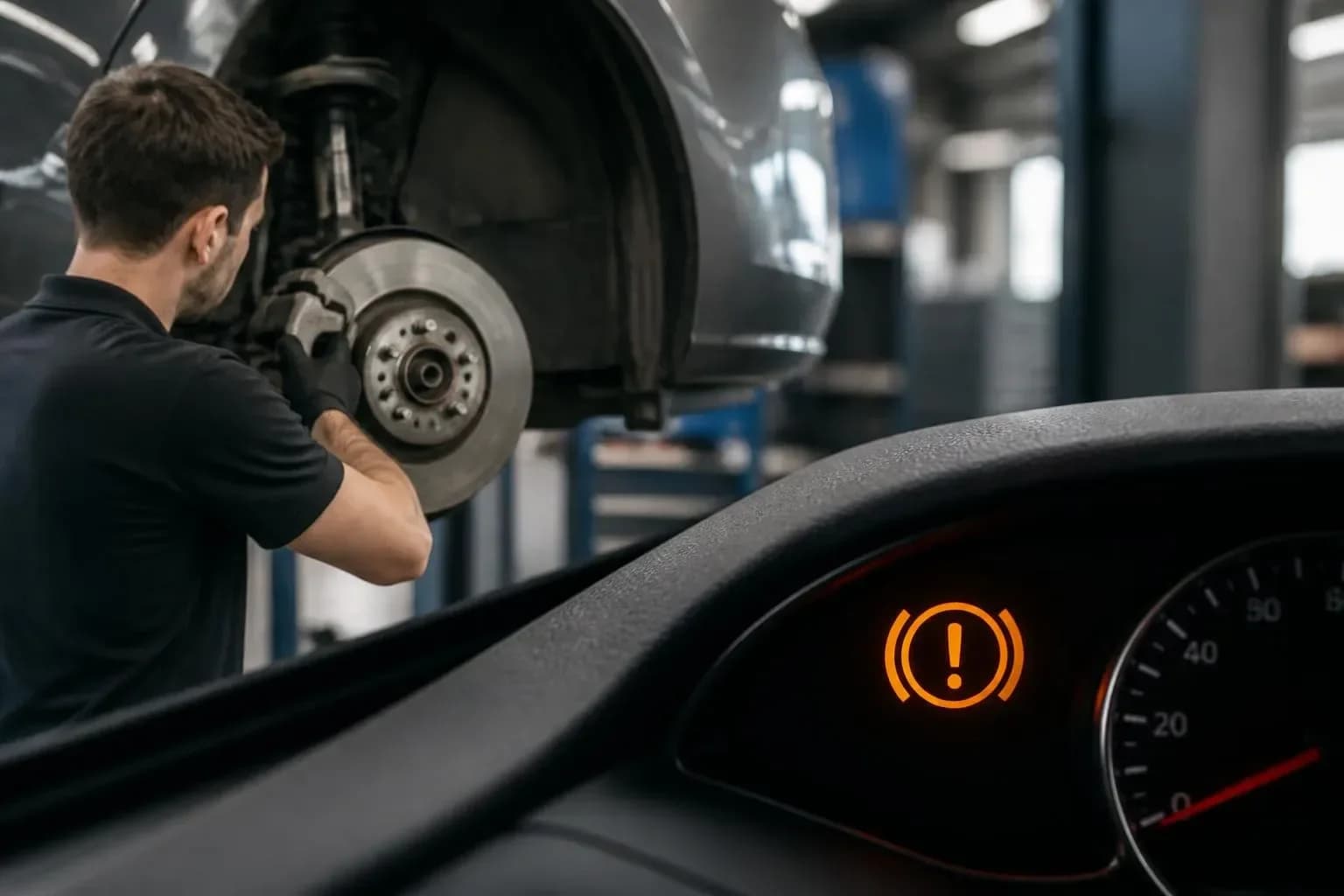
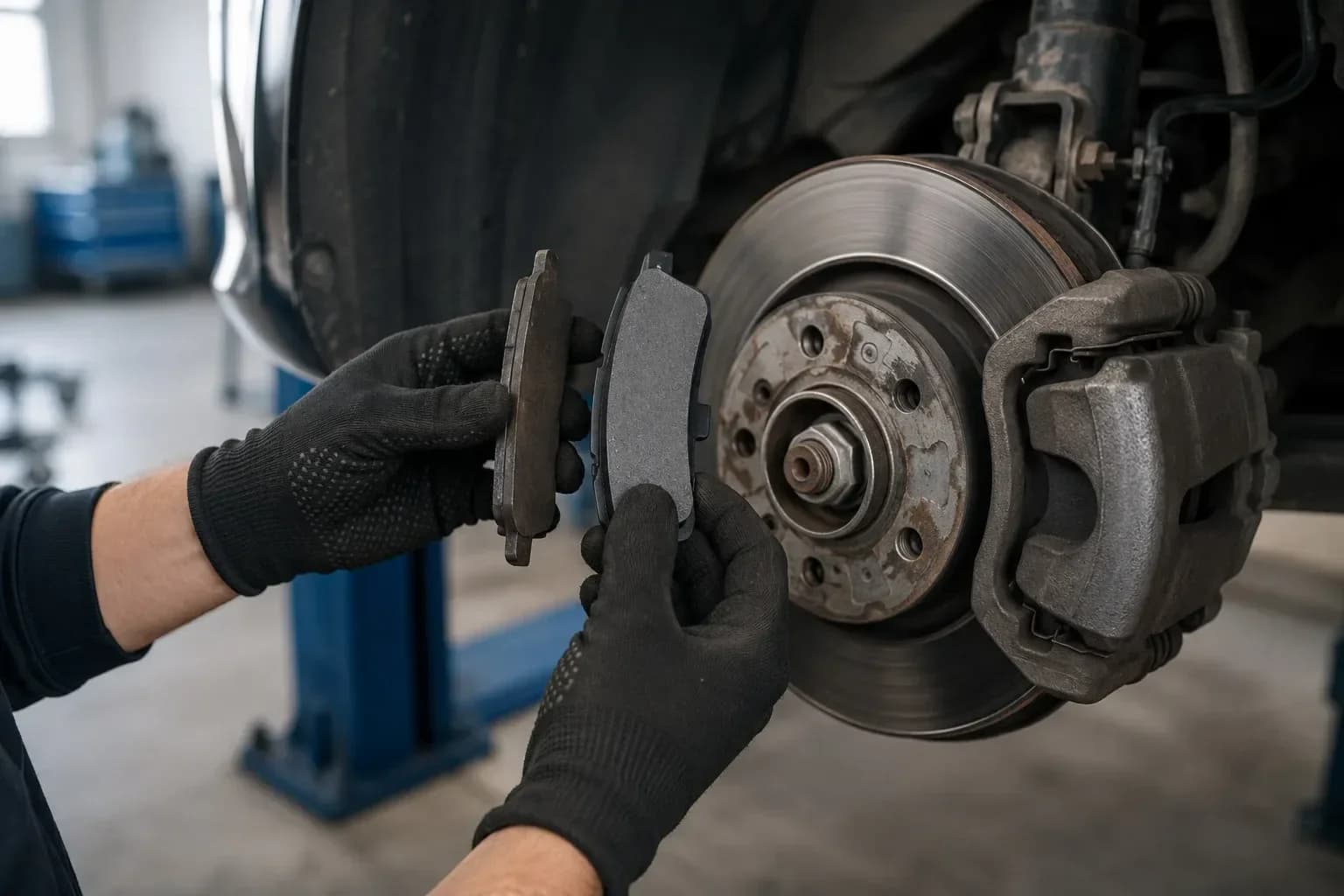
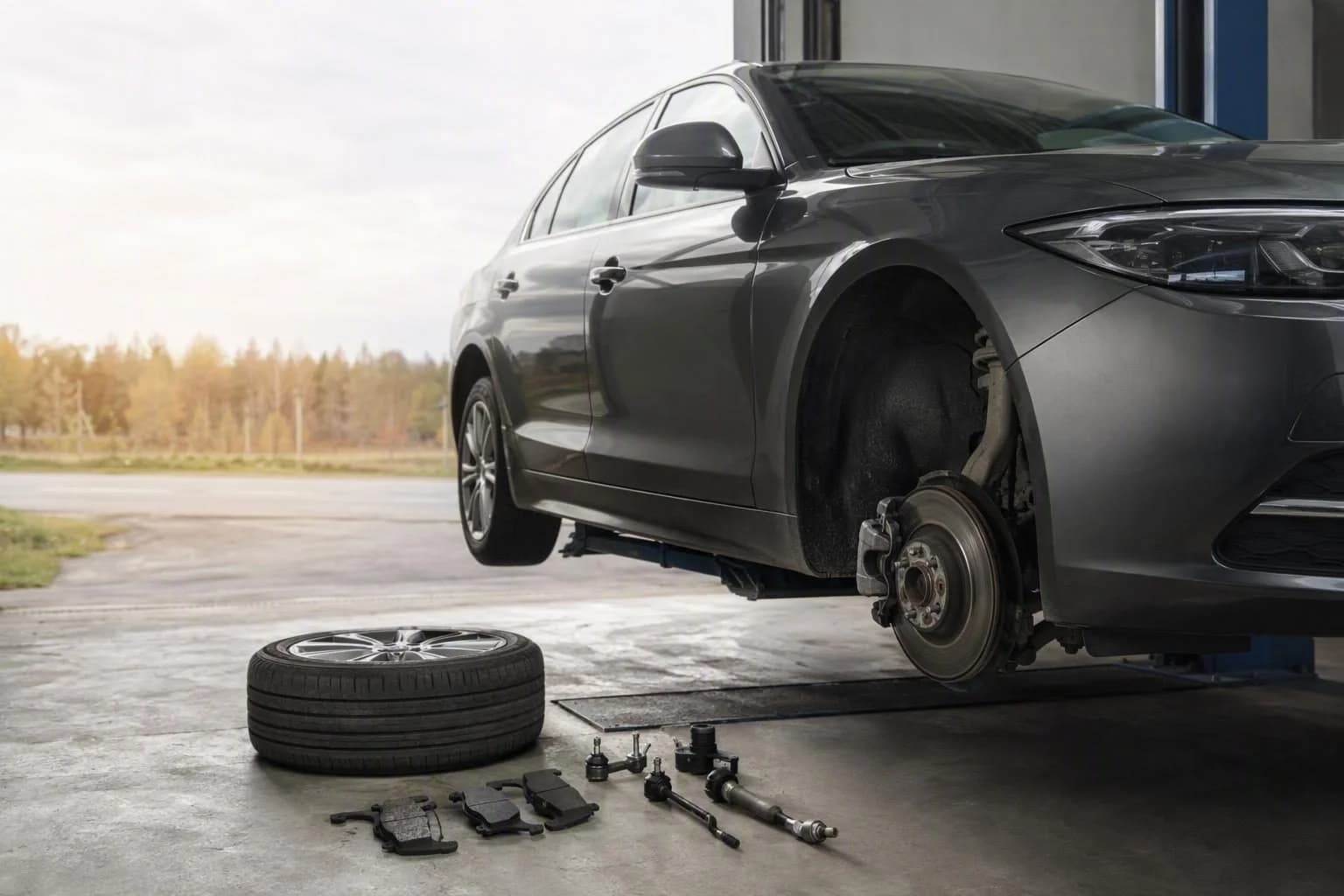
Brake pad wear indicator — what does it mean?

A brake pad wear warning light or a 'service brakes' message usually does not indicate an immediate failure, but signals that the braking system is approaching a service threshold. In practice it is most often worn pads, sometimes a wear sensor, and in some cars a different issue with fluid level, hoses or the warning electronics.

Brakes and safety5 min

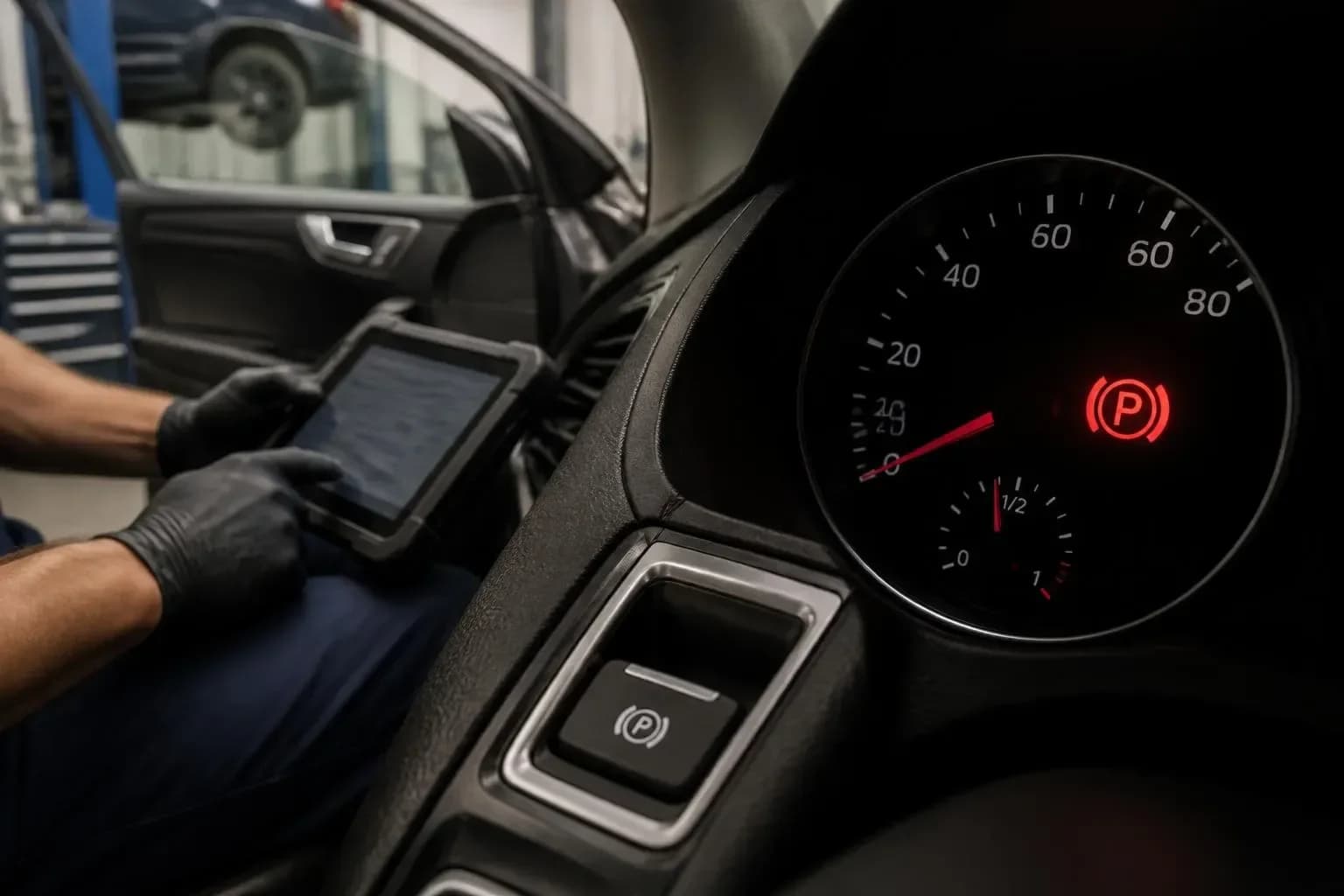
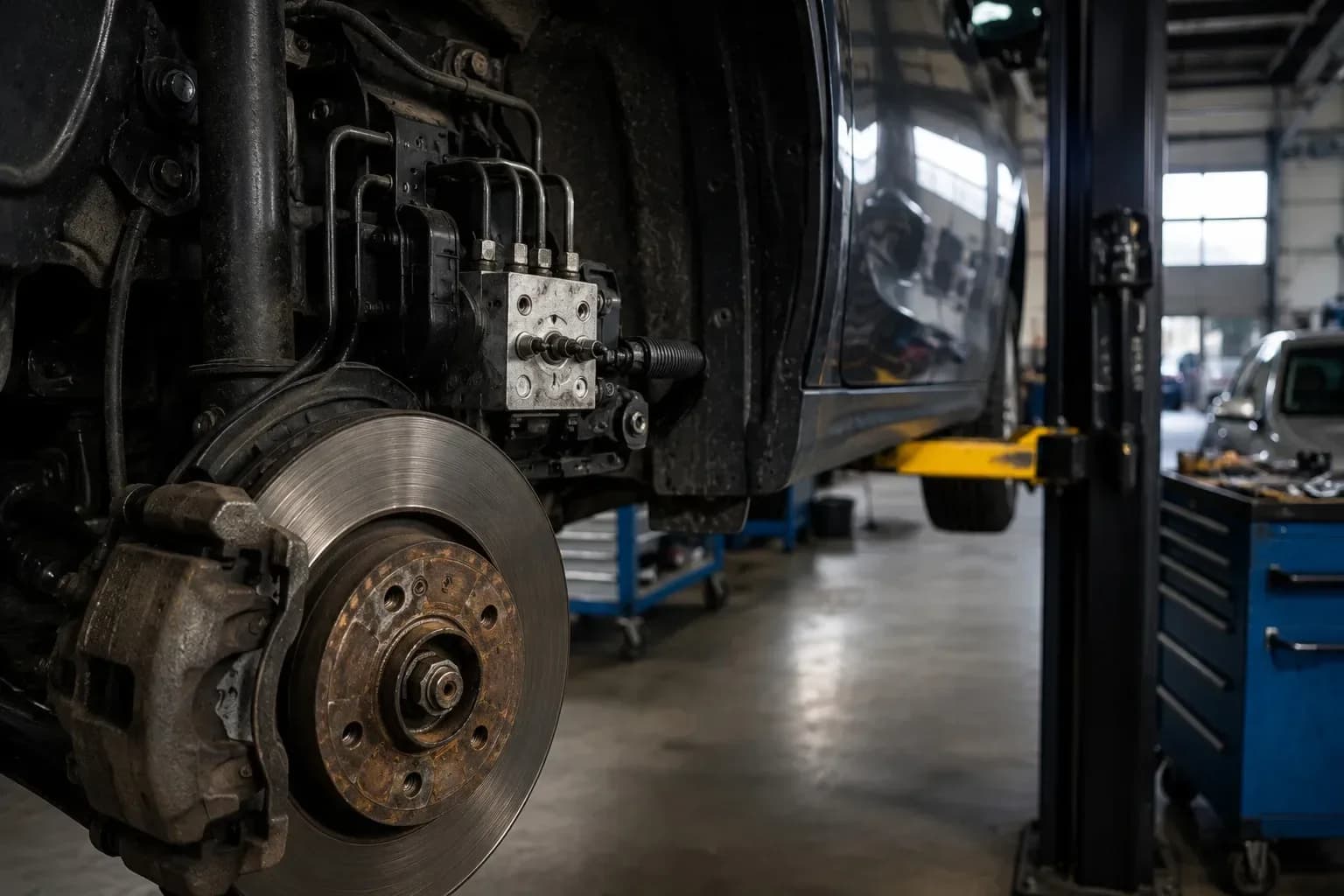
Handbrake not holding or EPB warning light

If the handbrake won't hold, sticks or the EPB warning light is on, don't assume a single fault. On cars with an electric parking brake the issue can be the switch, power supply or control unit, or calipers, actuators at the wheels, or the mechanical condition of the brakes.

Brakes and safety4 min

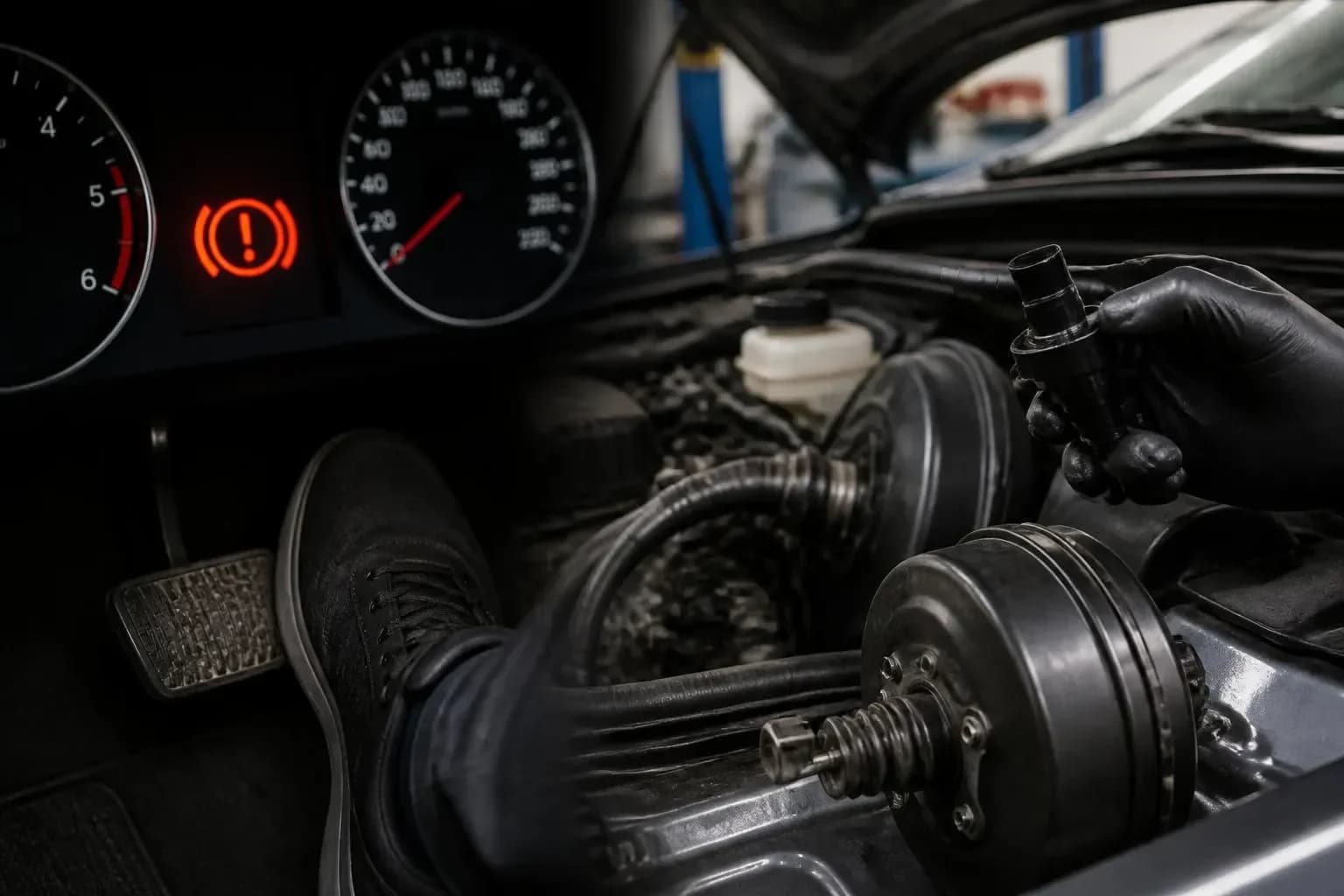
Soft brake pedal — what can it mean?

If the brake pedal has become soft, has a longer travel, or requires noticeably more force than usual, don’t assume a single fault straight away. The symptom can be related to vacuum assistance, but also to air in the hydraulic system, a brake fluid leak, a faulty brake servo (booster) or a vacuum pump.

Brakes and safety5 min

Stiff brake pedal and hissing — what to check?

If the brake pedal suddenly becomes stiffer and you hear hissing when pressing it, don’t assume a single cause. This combination of symptoms often points to a problem with vacuum-assisted braking, but the source can also be a hose, check valve, vacuum pump or the booster itself.

Brakes and safety5 min

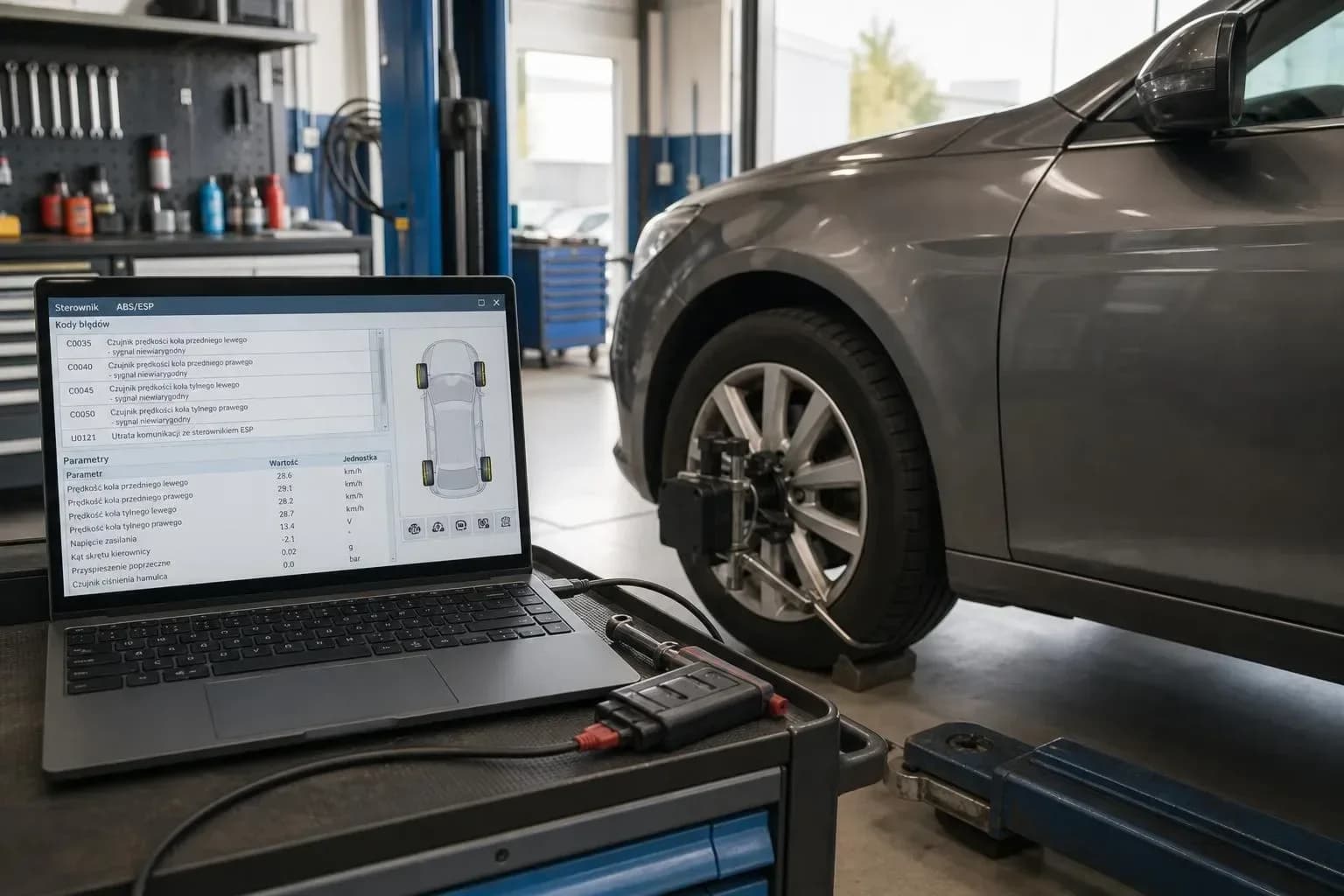
ABS and ESP warning lights: is it safe to drive?

If the yellow ABS, ESP or ASR warning light is on, it usually means reduced operation of the systems that assist braking and stabilising the vehicle's course. You can often drive carefully to a workshop, but keep speed down and increase following distance.

Need help?

Do you have a problem with your car?

Choose a workshop and describe the symptoms in the booking form.