Oil Level Above Maximum: What Does It Mean and Can You Drive?
A reading above the maximum can be caused by overfilling, but fuel may also be diluting the oil. Check the level as instructed and find out when it is safer to stop using the car.

eCarService · Driver Academy
Learn what a warning light or worrying symptom may mean, what you can check safely and when you should stop driving.
Knowledge base
89
guides to help you prepare for a conversation with a workshop.
Understand first
Learn the possible cause of a symptom
Then decide
Know what to ask during your visit
Choose a location
Book a workshop at the location you prefer
Latest guides
Learn about the possible causes first. Choose a location once you are ready to book a visit.
A reading above the maximum can be caused by overfilling, but fuel may also be diluting the oil. Check the level as instructed and find out when it is safer to stop using the car.
A constant hum or whine at a steady speed often comes from drivetrain components. How to recognise the source, when to stop driving and what the workshop will check?
How to recognise turbocharger problems, what to safely check yourself and what to expect during professional diagnostics. When to stop driving and go to the workshop.
A practical step-by-step guide on what to check before putting a car away for a week, a month or longer. Protect fuel, battery, fluid systems, tyres, brakes, air conditioning and bodywork, plus a checklist for after storage.
Metal flakes in oil can be normal wear or a sign of a serious fault. The article explains causes, when to stop driving and how workshop diagnostics proceed.
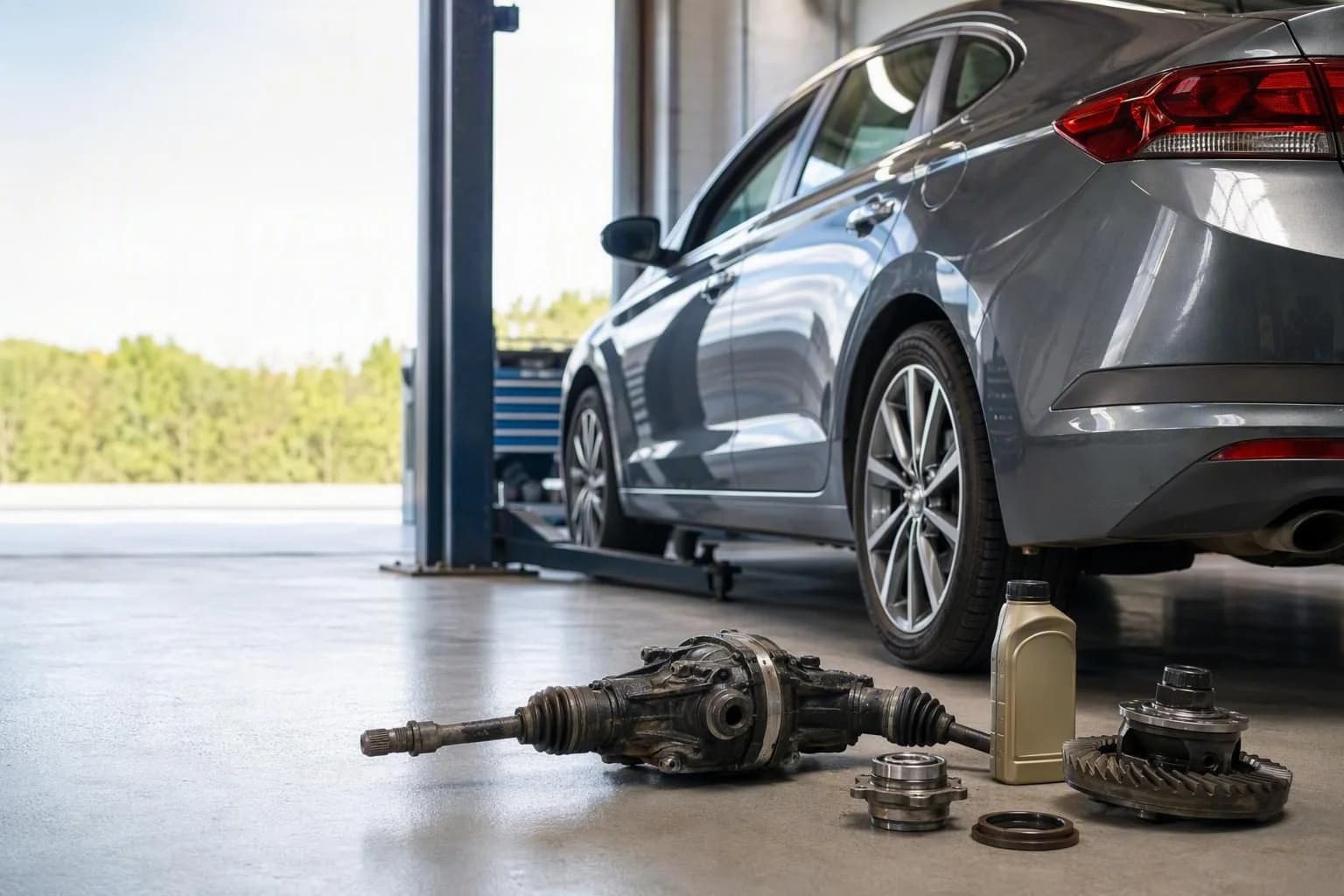
A metallic knock, humming or vibrations from the rear axle when turning can have various causes - from wheel bearings to internal differential damage. We explain the symptoms, when to stop driving and how professional diagnostics work.
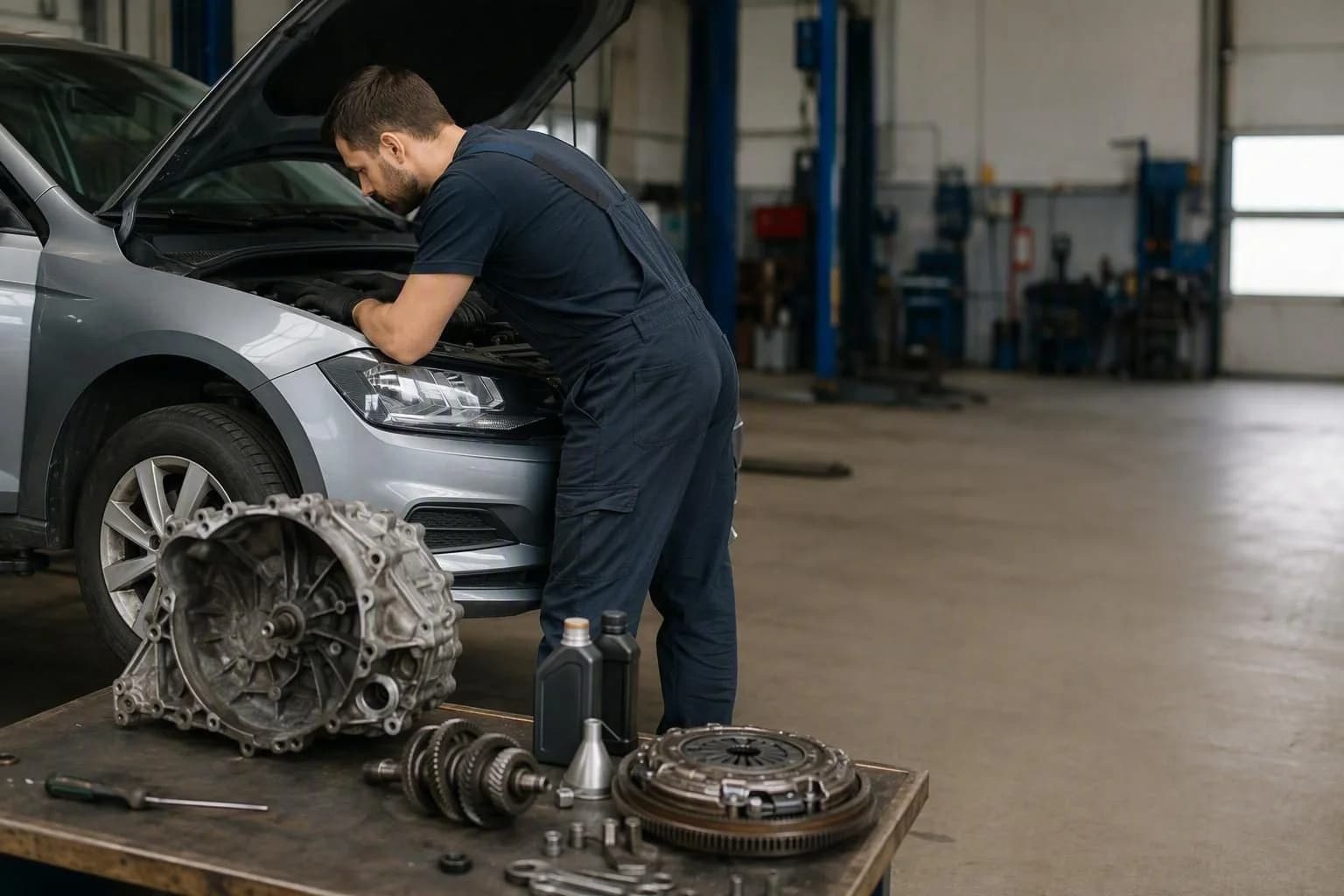
Clunks and metallic grinding when changing gears can have many causes - from gearshift mechanism adjustment to worn synchronisers or clutch problems. What to check and when to go to a workshop.
A drop in oil level can come from external leaks, oil burning inside the engine, problems with the crankcase ventilation (PCV) system or the turbo. We explain how to assess the scale of the problem and when to go to a workshop.
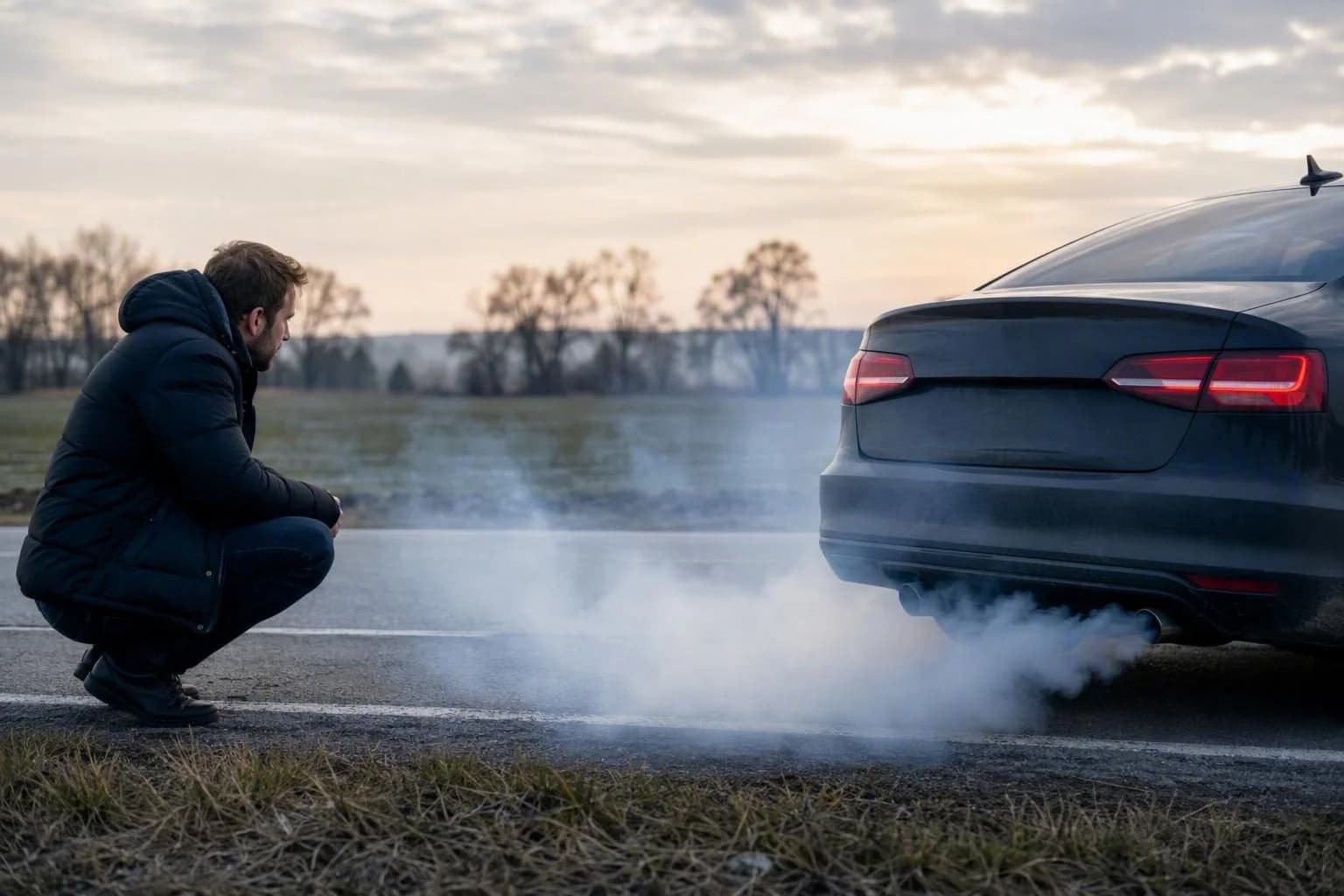
The colour of exhaust smoke helps narrow down the causes: burning oil, burning coolant or excess fuel. The article explains what to observe and what tests a workshop will perform.
A clear increase in fuel use has many causes — from driving style and tyre pressure to sensor faults or fuel system issues. We explain what to check and what information to give the workshop before computer diagnostics.
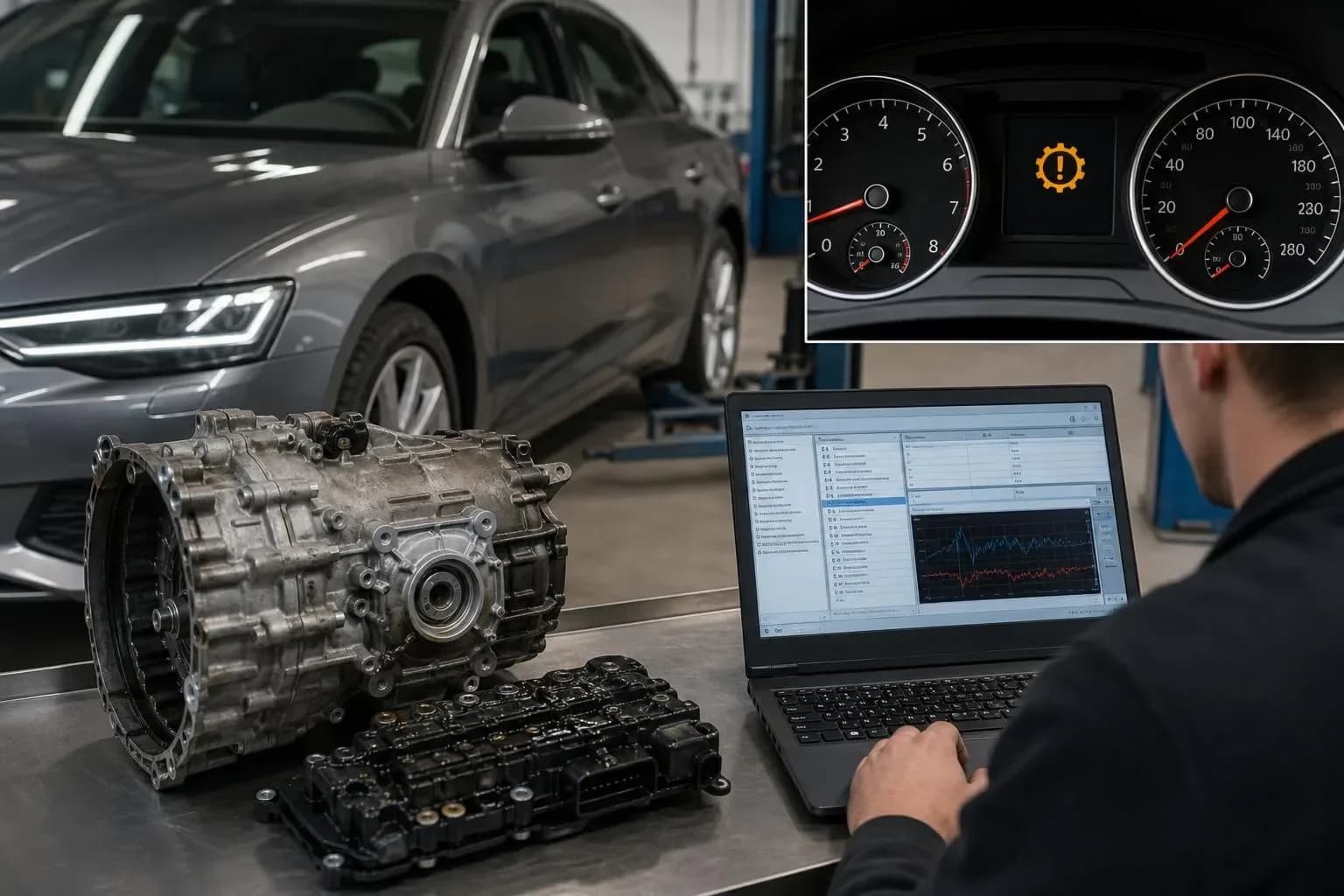
If a DSG or S-tronic jerks on take-off, delays engagement of D or R, drags gears, vibrates during manoeuvres or you don't know when the oil was last changed, don't assume a single fault. The same symptom in Audi, Volkswagen, Skoda, Seat or Cupra can have several causes: from oil service to clutches, mechatronics or engine and drive mounts.
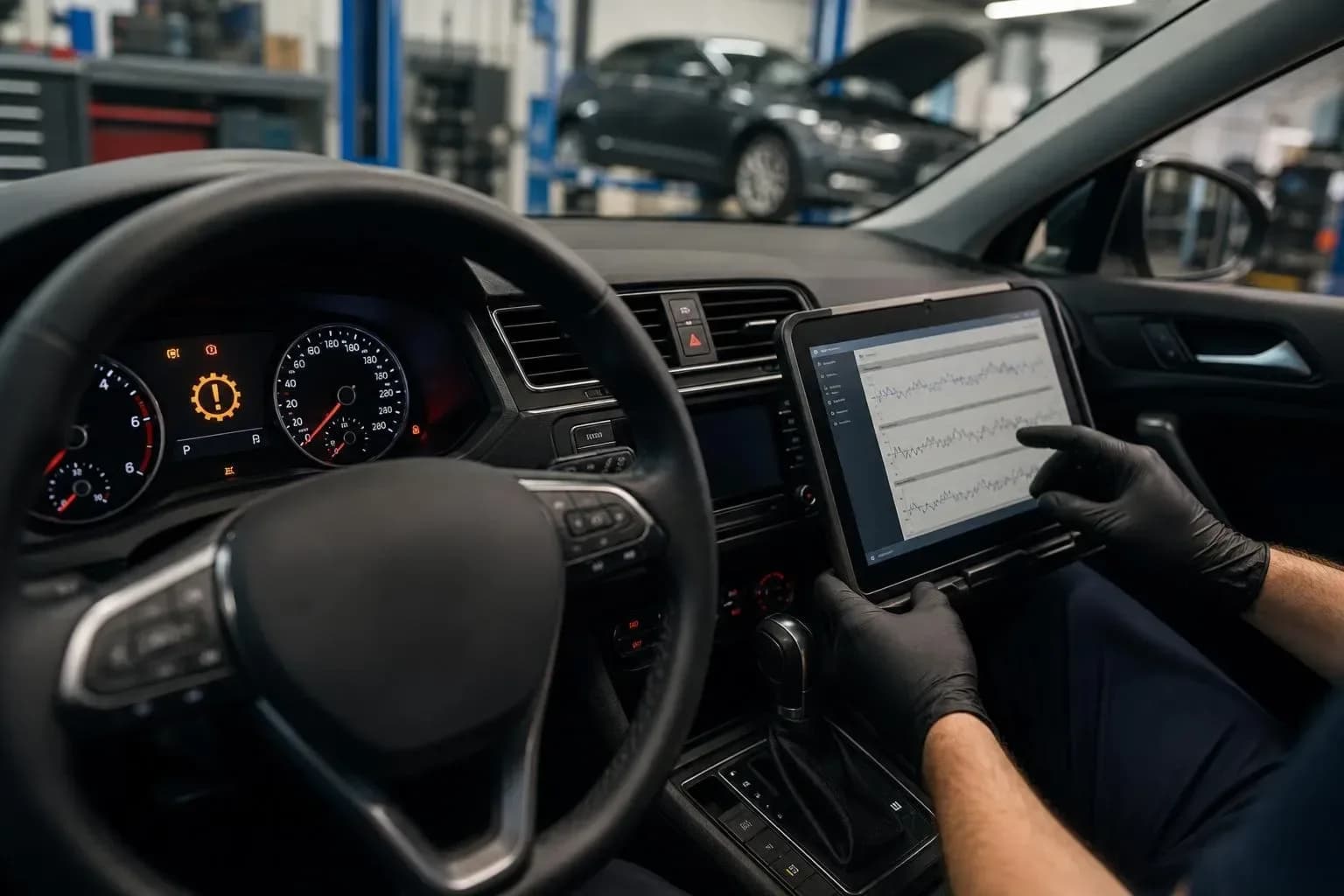
If a DSG or S-tronic jerks on take-off, delays shifts, vibrates when manoeuvring or shows a gearbox warning, don’t assume a single cause. In VAG cars the same symptom can come from oil, clutches, mechatronics, mounts, adaptations or even uneven engine running.
Need help?
Choose a workshop and describe the symptoms in the booking form.